
September Meaning in the Bible: Biblical Significance
In the Bible, September aligns with Tishrei, the seventh month of the Hebrew calendar, featuring essential Jewish festivals such as Rosh Hashanah, Yom Kippur, and Sukkot (Leviticus 23). These observances mark times of introspection, atonement, and renewal, exemplified in the blowing of the shofar (Numbers 29:1) and fasting rituals (Leviticus 16:29-30).
The month also carries historical significance, with events like the completion of Nehemiah’s wall (Nehemiah 6:15) and Solomon’s Temple dedication (1 Kings 8:2). September serves as a period deeply rooted in spiritual growth and divine engagement.
Discover more about how these traditions shape faith practices.

Key Takeaways
- September corresponds with Tishrei, the seventh month in the Hebrew calendar, marked by significant Jewish observances like Rosh Hashanah and Yom Kippur.
- Rosh Hashanah, the Jewish New Year, initiates a period of repentance and self-examination known as the Ten Days of Awe.
- Yom Kippur, the Day of Atonement, involves fasting, prayer, and seeking forgiveness, culminating in a profound spiritual renewal.
- The Feast of Trumpets, celebrated with shofar blowing, symbolizes divine kingship and calls for repentance and remembrance.
Jewish Calendar and September

In the context of the Jewish calendar, September often corresponds with the month of Tishrei, a period rich in significant religious observances and historical events. Tishrei is the seventh month in the Hebrew calendar and is pivotal due to its alignment with the High Holy Days.
Scriptural references, such as Leviticus 23, outline the sacredness of this month, marking it as a time for introspection and atonement. Historically, Tishrei encompasses the observance of Yom Kippur, the Day of Atonement, and Sukkot, the Feast of Tabernacles, both of which hold profound theological significance.
This month serves as a cornerstone for Jewish liturgical practices, symbolizing renewal and divine judgment, as underscored by centuries of rabbinic interpretation and communal tradition.
Rosh Hashanah Significance
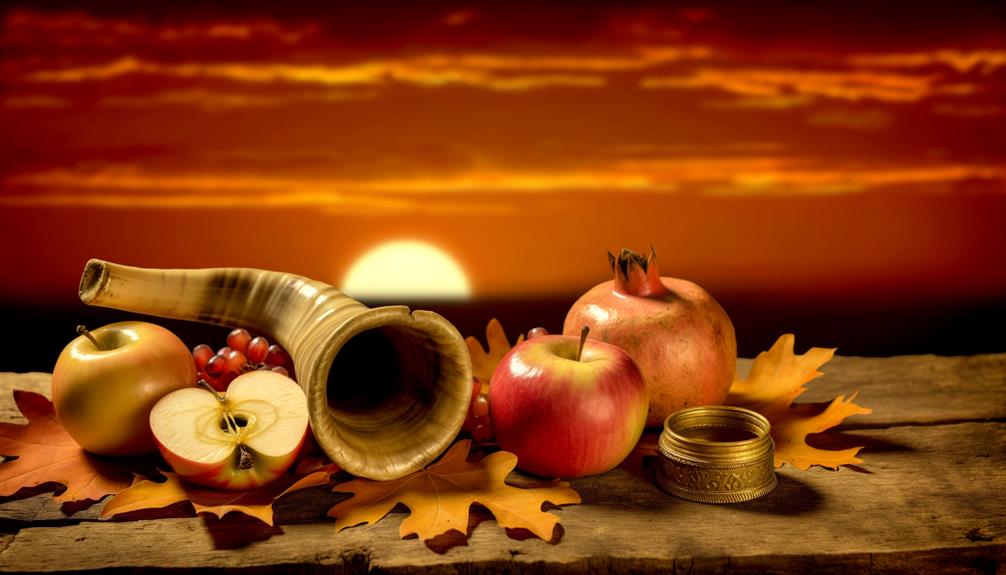
Rosh Hashanah, marking the Jewish New Year, initiates the High Holy Days in Tishrei, setting the stage for reflection, repentance, and renewal as outlined in Leviticus 23:24-25.
This sacred time is steeped in theological significance and historical context, symbolizing humanity’s introspection and divine judgment.
- Shofar Blowing: The ram’s horn is sounded, calling the faithful to repentance (Numbers 29:1).
- Tashlich Ceremony: Casting bread into flowing water symbolizes the casting away of sins (Micah 7:19).
- Special Prayers: Liturgical additions in the Machzor emphasize themes of sovereignty and remembrance.
- Apples and Honey: Eating these symbolizes wishes for a sweet new year.
Understanding these elements enriches the spiritual depth of Rosh Hashanah.
Yom Kippur Observances
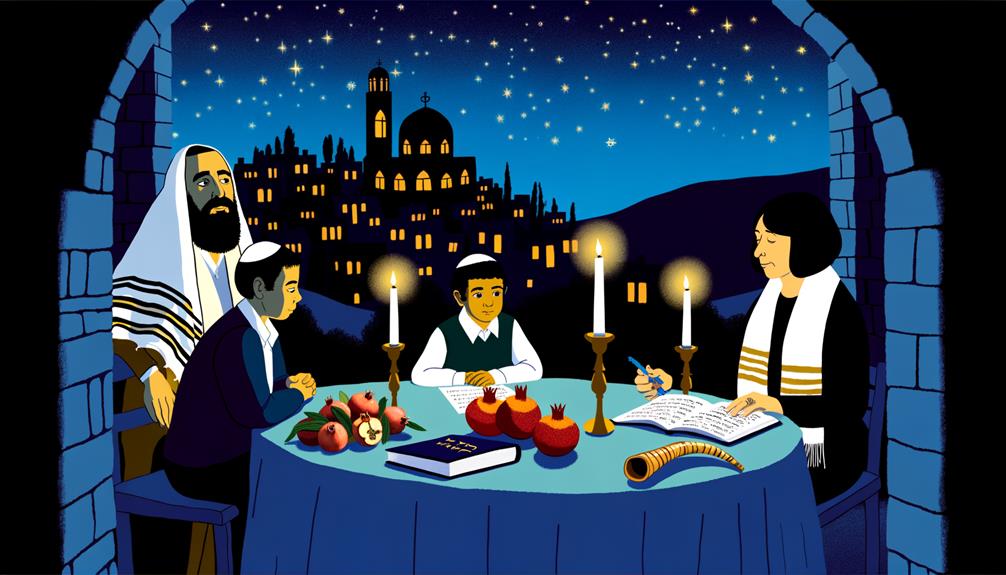
Yom Kippur, known as the Day of Atonement, is the most solemn and sacred day in the Jewish calendar, dedicated to fasting, prayer, and repentance as prescribed in Leviticus 16:29-30.
Observances include a complete 25-hour fast, refraining from work, and attending extensive synagogue services. The day emphasizes introspection and communal confession, reflecting on sins against God and fellow humans.
Historically, the High Priest would enter the Holy of Holies in the Temple to offer sacrifices for atonement. Today, this ritual is symbolically represented through prayers like the Vidui (confession) and the recitation of the Avodah service.
Yom Kippur concludes with the Ne’ilah prayer and the sounding of the shofar, marking the end of the fast.
Feast of Trumpets

Observed on the first day of the seventh month, the Feast of Trumpets, also known as Rosh Hashanah, marks the beginning of the Jewish civil year and is rooted in the commandment found in Leviticus 23:24-25.
This sacred observance features the blowing of the shofar, a ram’s horn, symbolizing a call to repentance and introspection. Theologically rich, it underscores themes of divine kingship and judgment.
Key aspects include:
- Shofar Blowing: A central ritual calling believers to spiritual awakening.
- Scriptural Foundation: Leviticus 23:24-25 mandates its observance.
- Repentance and Reflection: Initiates the Ten Days of Repentance leading to Yom Kippur.
- Divine Remembrance: Emphasizes God’s covenantal faithfulness.
Biblical Harvest Festivals
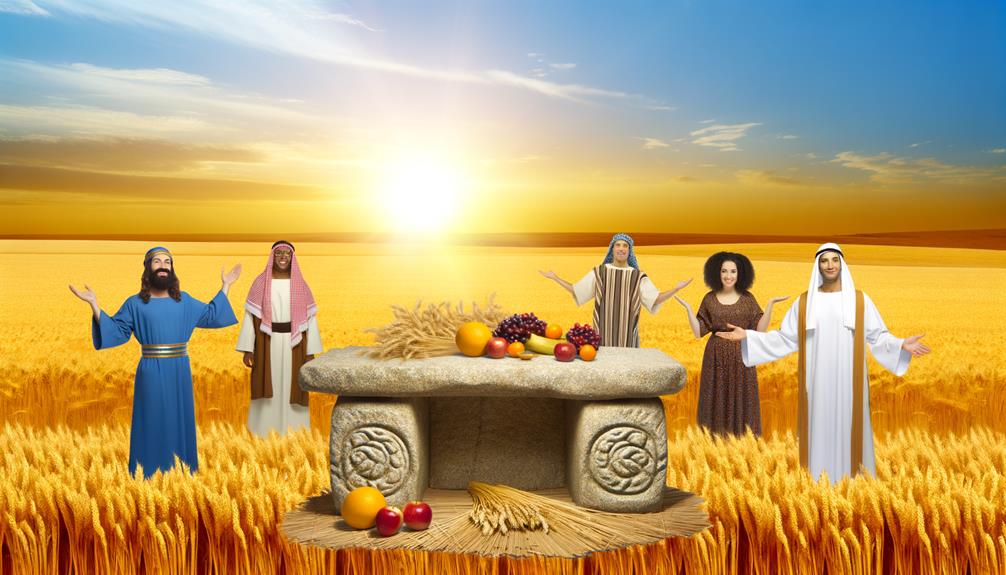
Biblical Harvest Festivals, such as the Feast of Weeks (Shavuot) and the Feast of Tabernacles (Sukkot), are integral to understanding the agricultural and spiritual rhythms of ancient Israelite society.
Shavuot, celebrated 50 days after Passover, marked the end of the grain harvest and is detailed in Leviticus 23:15-21.
Sukkot, occurring in the seventh month, commemorated the final harvest and God’s provision during the Israelites’ wilderness wanderings, as described in Leviticus 23:33-43.
These festivals not only underscored dependence on divine providence but also fostered communal gratitude and worship.
Theologically, they symbolize God’s ongoing sustenance and covenant faithfulness, pointing to deeper spiritual truths within the broader Judaic tradition.
Spiritual Renewal in September

As the Biblical harvest festivals highlight a period of physical and spiritual culmination, the month of September offers a unique opportunity for personal and communal spiritual renewal.
Theologically, this renewal is rooted in scriptural references such as Leviticus 23:23-25, which describes the Feast of Trumpets—a call to repentance and introspection. Historically, September, marking the end of the agricultural cycle, symbolizes a time for reflection and spiritual reawakening.
Key elements of spiritual renewal in September include:
- Repentance: Reflect on personal shortcomings and seek forgiveness.
- Prayer: Deepen your communication with God.
- Meditation: Contemplate on divine teachings and their application.
- Community Worship: Engage in collective spiritual practices.
This season invites believers to rejuvenate their faith and strengthen their spiritual journey.
Historical Events in September
In examining the historical events of September through a biblical lens, it is essential to highlight key occurrences and their religious significance.
Particularly, the Feast of Trumpets, or Rosh Hashanah, often falls in this month, marking the Jewish New Year and a period of introspection and repentance (Leviticus 23:23-25).
Additionally, September is associated with the rebuilding of the walls of Jerusalem by Nehemiah, signifying restoration and divine favor (Nehemiah 6:15).
Key Biblical Events
During the month of September, several significant biblical events can be traced through scriptural and historical records, providing insights into pivotal moments in the Judeo-Christian narrative. These events underscore the rich tapestry of biblical history and its enduring impact on faith traditions.
- Feast of Trumpets (Rosh Hashanah): Marked in Leviticus 23:23-25, it heralds the Jewish New Year.
- Nehemiah’s Wall Completion: Nehemiah 6:15 records the wall’s completion around Jerusalem, signifying restoration.
- Ezra’s Reading of the Law: Ezra 7:10 recounts Ezra’s return to Jerusalem, emphasizing law adherence.
- Solomon’s Temple Dedication: 1 Kings 8:2 details the temple’s dedication during the Feast of Tabernacles.
These events collectively highlight September’s historical depth within biblical narratives.
September’s Religious Significance
September holds profound religious significance, marked by historical events that resonate deeply within the Judeo-Christian tradition.
Significantly, the Jewish High Holy Days often occur in September, including Rosh Hashanah, the Jewish New Year, and Yom Kippur, the Day of Atonement (Leviticus 23:23-32). These sacred days are times of introspection, repentance, and renewal.
In the Christian tradition, the Feast of the Nativity of the Blessed Virgin Mary is celebrated on September 8, commemorating the birth of Mary, the mother of Jesus, a pivotal figure in Christian theology.
Additionally, the Exaltation of the Holy Cross on September 14 commemorates the discovery of the True Cross by Saint Helena in the 4th century.
These observances underscore September’s rich religious tapestry.
Symbolism of September
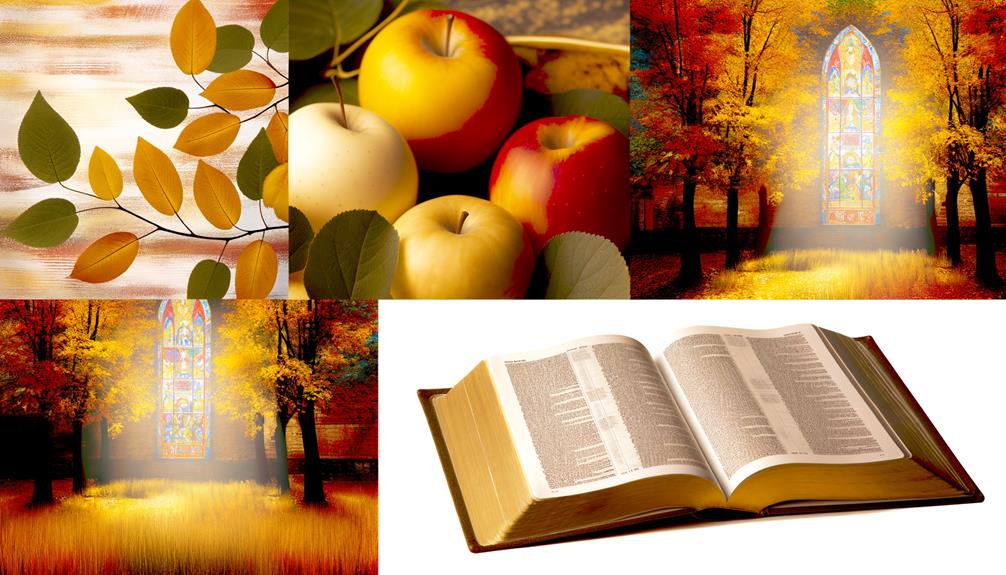
The month of September holds rich symbolic significance in the Bible, often associated with themes of harvest, repentance, and divine judgment. Scriptural references such as the Feast of Trumpets (Leviticus 23:23-25) and the Day of Atonement (Leviticus 16) highlight September’s profound spiritual meaning.
Historically, this period marks:
- Harvest Season: Signifying God’s provision and abundance.
- Repentance: A time for self-examination and seeking forgiveness.
- Divine Judgment: Reflecting the solemnity of God’s judgment.
- New Beginnings: Linked to the Jewish New Year, Rosh Hashanah.
Through these themes, September serves as a compelling reminder of spiritual introspection and divine engagement, calling believers to a deeper relationship with God.
Conclusion
September in the biblical context emerges as a tapestry woven with sacred observances, spiritual renewal, and rich historical significance.
Through the solemn echoes of the shofar during Rosh Hashanah, the introspective depth of Yom Kippur, and the jubilant celebrations of the Feast of Trumpets, this month symbolizes a profound journey of repentance and renewal.
The imagery of biblical harvests further underscores a divine cycle of sowing, reaping, and spiritual rebirth, reflecting the enduring rhythm of faith and devotion.