Majesty Meaning in the Bible: Divine Kingship
In the Bible, ‘majesty’ encapsulates the concept of God’s supreme authority, sovereign power, and unparalleled splendor. It emphasizes divine attributes worthy of reverence and adoration, underscoring God’s transcendence above creation.
Scriptural references in both the Old and New Covenants, such as Psalm 93:1 and Hebrews 1:3, articulate this divine quality through vivid imagery and theological declarations. Symbolism, including light and enthronement, further illustrates God’s glorious presence.
The theme of majesty profoundly influences worship and prayer, directing believers to approach God with awe and humility. Engaging with these aspects invites a deeper understanding of divine sovereignty and splendor.
Key Takeaways
- Majesty in the Bible signifies God’s supreme authority, sovereign power, and unparalleled splendor.
- It encompasses divine attributes deserving of reverence, awe, and adoration.
- Old Testament references highlight God’s transcendent excellence and sovereign reign (e.g., Psalm 93:1, Isaiah 6:1-5).
- New Testament insights reveal God’s majesty through Jesus Christ’s life, death, and resurrection (e.g., Hebrews 1:3, Matthew 17:1-8).
Biblical Definition of Majesty

The biblical definition of ‘majesty’ encompasses a profound recognition of God’s supreme authority, sovereign power, and unparalleled splendor as depicted in various scriptural passages.
This term encapsulates the divine attributes that render God worthy of reverence and adoration.
Theologically, ‘majesty’ refers not merely to an aesthetic grandeur but to an intrinsic, immutable quality of God that commands awe and worship.
It underscores God’s position above all creation, affirming His omnipotence and omniscience.
This concept is integral to understanding the nature of God, as it conveys His transcendent excellence and the reverential fear He inspires.
Old Testament References

Numerous passages within the Old Scriptures vividly illustrate the concept of God’s majesty, emphasizing His supreme authority and glory through historical narratives, poetic literature, and prophetic declarations.
For instance, Psalm 93:1 articulates, ‘The LORD reigns, He is robed in majesty; the LORD is robed in majesty and armed with strength.’
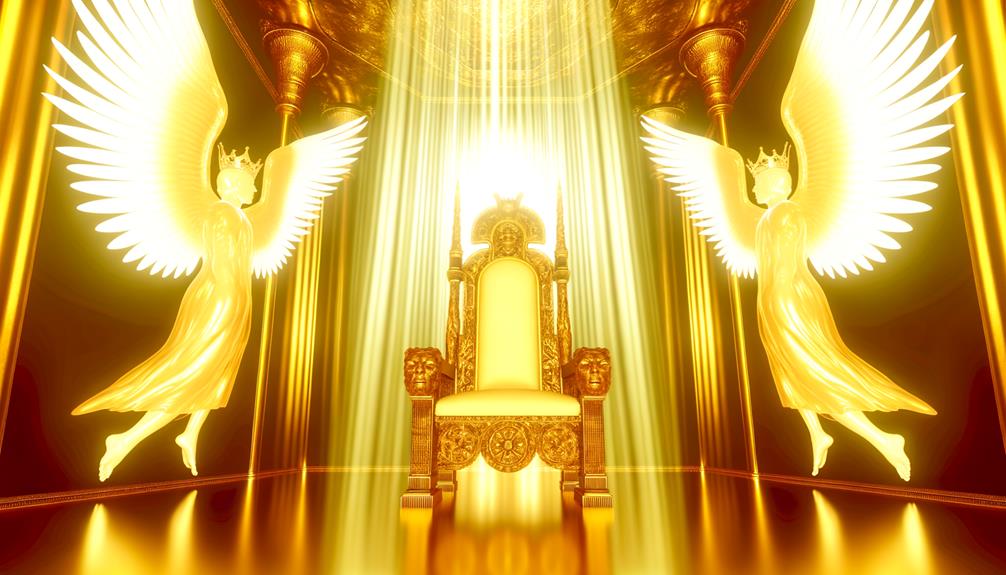
Similarly, Isaiah 6:1-5 portrays a vision of the Lord seated on a high and exalted throne, underscoring His transcendent splendor.
The book of Exodus recounts the theophany at Mount Sinai, where God’s majestic presence is manifested through thunder, lightning, and a thick cloud (Exodus 19:16-19).
These references collectively underscore God’s unparalleled sovereignty and the reverence He commands within the Hebrew Scriptures.
New Testament Insights
In the New Covenant, the majesty of God is revealed through the person and works of Jesus Christ, who embodies divine authority and glory.
The New Scripture frequently ascribes majesty to Christ, as evidenced in passages such as Hebrews 1:3, where Jesus is described as “the radiance of God’s glory and the exact representation of his being.”
Additionally, the transfiguration event (Matthew 17:1-8) accentuates Jesus’ divine majesty, manifesting His preeminence and heavenly splendor.
The Apostle Paul, in Philippians 2:9-11, further elucidates this by declaring that God has exalted Jesus to the highest place, affirming His sovereign lordship.
Consequently, Christ’s life, death, and resurrection serve as the ultimate revelation of God’s majestic nature in the New Scripture.
Symbolism and Imagery
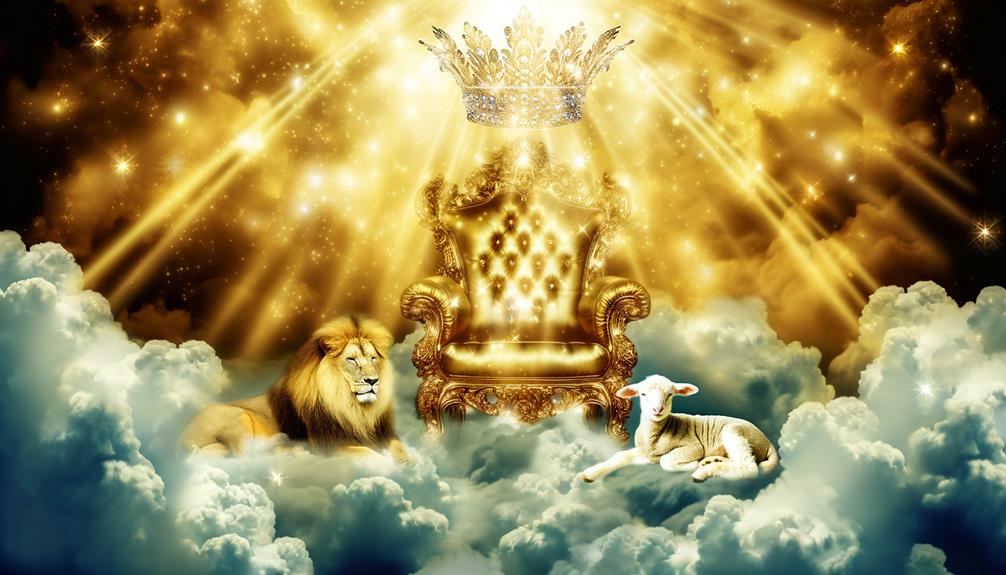
Biblical literature employs rich symbolism and vivid imagery to convey the concept of divine majesty, enhancing our understanding of God’s transcendent nature.
The Bible frequently uses metaphors such as light, fire, and enthronement to depict God’s glorious presence.
For instance, in Isaiah 6:1-5, the prophet’s vision of the Lord seated on a high and exalted throne, with seraphim declaring His holiness, encapsulates divine majesty.
Similarly, in Revelation 4:2-11, the imagery of a throne encircled by a rainbow and the worship of celestial beings underscores the grandeur of God’s dominion.
These symbolic representations not only illustrate God’s supreme authority but also invite believers to contemplate His ineffable and majestic essence, fostering a deeper theological appreciation.
Majesty in Worship and Prayer

The concept of divine majesty profoundly influences the practices of worship and prayer, shaping how believers engage with and revere God. This reverence is evident in liturgical expressions that emphasize God’s supreme authority and glory. Scriptural references to God’s majesty guide the faithful in approaching Him with awe and humility, fostering a deep sense of reverence. Worship songs, prayers, and rituals often reflect this majesty, reinforcing the believer’s acknowledgment of God’s unparalleled greatness. The table below illustrates key aspects of majesty in worship and prayer:
| Aspect | Description | Biblical Reference |
|---|---|---|
| Reverence | Awe and respect for God’s greatness | Psalm 95:6 |
| Humility | Submission before divine majesty | James 4:10 |
| Praise | Exalting God’s supreme authority | Revelation 4:11 |
This framework guarantees a profound, theologically-rich worship experience.
Conclusion
The biblical concept of majesty encapsulates divine sovereignty, unparalleled greatness, and transcendent splendor.
Old Covenant references underscore God’s supreme authority, while New Covenant insights highlight Christ’s divine nature and kingship.
Symbolism and imagery vividly depict divine grandeur, and the theme of majesty profoundly influences worship and prayer practices.
Consequently, majesty in the Bible serves to elevate understanding, inspire reverence, and cultivate a deeper connection to the divine, ultimately affirming God’s exalted position in all creation.