
Tunic Meaning in the Bible
In the Bible, the tunic is a deeply symbolic garment reflecting cultural, social, and theological layers. Originating from early Semitic traditions, it served as everyday wear and a marker of identity.
Joseph’s multicolored coat, a notable example, indicated his father’s favoritism and incited jealousy, driving pivotal narrative events. Priestly tunics underscored holiness and divine service, while Jesus’ seamless tunic represented His unity and perfection, fulfilling prophecy.
These garments highlight themes of divine favor, spiritual purity, and sacrificial roles, enriching biblical narratives with profound insights into God’s interactions with humanity. Exploring these symbols reveals much about biblical teachings and divine purposes.

Key Takeaways
- Tunics in the Bible symbolize spiritual identity, purity, and divine favor, reflecting one’s relationship with God.
- Joseph’s multicolored tunic represents paternal favoritism and divine destiny, marking a pivotal narrative in Genesis.
- Priestly tunics in Exodus denote sanctity, righteousness, and the consecrated role of priests in religious service.
- Jesus’ seamless tunic at the crucifixion signifies His unity, perfection, and fulfillment of prophecy, highlighting His priestly and kingly roles.
Origin of the Tunic

Frequently mentioned in ancient texts, the tunic’s origin can be traced back to early Semitic cultures, where it served as a fundamental garment in daily life and religious practices.
Characterized by its simplicity, the tunic was typically a loose-fitting garment made from wool or linen, often extending from the shoulders to the knees or ankles. Its practical design provided comfort in the harsh climates of the ancient Near East.
Theological references to the tunic in biblical scriptures underscore its symbolic significance; it was not merely attire but an emblem of status, purity, and divine favor.
The tunic’s ubiquity in sacred narratives highlights its role as a cultural and spiritual artifact, reflecting deeper societal norms and theological principles of the time.
Joseph’s Multicolored Coat

Among the many significant garments mentioned in biblical texts, Joseph’s multicolored coat stands out as a symbol of his father’s favoritism and the ensuing familial strife.
This coat, described in Genesis 37:3, was a gift from Jacob to Joseph, signifying preferential love which incited jealousy among his brothers.
Historically, such a garment would have been rare and costly, reflecting Joseph’s elevated status within the family.
Analytically, the coat becomes a catalyst for the narrative’s unfolding drama, leading to Joseph’s betrayal and eventual rise to power in Egypt.
Theologically, it underscores themes of divine providence and the complex interplay of human emotions and divine plans, illustrating how God’s purposes are fulfilled through human actions, even those born of jealousy and strife.
Priestly Garments

The priestly garments, meticulously described in the Book of Exodus, were designed to reflect the sanctity and consecrated status of those serving in the tabernacle.
These garments included the ephod, breastplate, robe, tunic, turban, and sash, each imbued with symbolic significance. Crafted from fine linen and adorned with gold, blue, purple, and scarlet yarns, they underscored the divine authority and purity required of the priests.
The tunic, or ketonet, symbolized righteousness and served as a constant reminder of the priest’s holy duties. By donning these garments, the priests embodied a physical manifestation of Israel’s covenant with God, bridging the sacred and the profane, and facilitating atonement and communion with the Divine.
Jesus’ Seamless Tunic

The seamless tunic worn by Jesus during His crucifixion holds profound theological and symbolic significance, reflecting both His divine unity and the fulfillment of Old covenant prophecy.
In the historical context of Roman execution practices, this garment’s indivisibility underscores the unity and wholeness of Christ’s priestly and kingly roles.
Additionally, the seamless tunic fulfills Psalm 22:18, highlighting the intersection of prophecy and the salvific act of the crucifixion.
Symbolism of Seamless Garment
A profound symbol of unity and divine perfection, Jesus’ seamless tunic, as described in the Gospel of John, serves as a powerful metaphor for His unbroken and complete nature.
Woven in one piece from top to bottom, the garment’s construction signifies the indivisibility of Christ’s mission and essence. Historically, such clothing was rare and indicative of high quality, often reserved for priests, thereby highlighting Jesus’ priestly role.
Theologically, the seamless tunic represents the perfect unity of His divine and human natures, underscoring His role as the mediator between God and humanity. This unbroken garment further exemplifies the wholeness of the Church, which, like the tunic, is intended to remain undivided and intact in its mission.
Prophecy Fulfillment Significance
In the context of biblical prophecy, Jesus’ seamless tunic embodies the fulfillment of Old Covenant predictions, encapsulating His role as the prophesied Messiah.
The seamless tunic, referenced in John 19:23-24, aligns with Psalm 22:18, which foretells that lots would be cast for the Messiah’s clothing.
This garment’s seamless construction signifies unity and perfection, mirroring Christ’s divine nature and His mission to unify humanity.
The soldiers’ act of casting lots, rather than tearing the tunic, underscores the inviolable nature of Jesus’ mission and kingdom.
Theologically, the seamless tunic accentuates the continuity between the Old and New Covenants, affirming Jesus as the ultimate fulfillment of messianic prophecies, thereby bridging ancient expectations with their New Testament realization.
Symbolism of Clothing
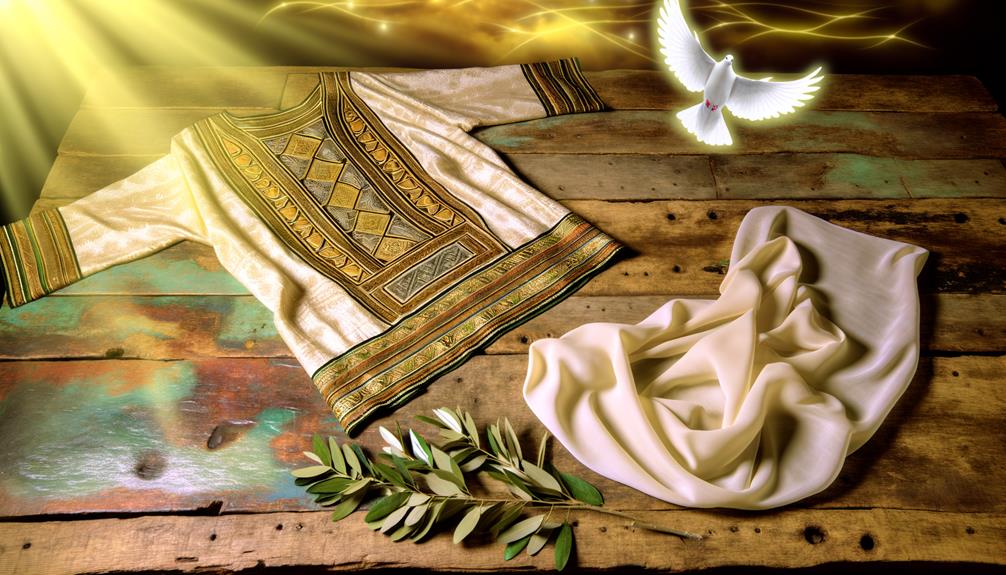
Clothing in the Bible often serves as a profound symbol reflecting one’s spiritual state, social status, and divine favor or judgment.
Biblical narratives frequently employ garments to signify purity or sin, honor or shame. For instance, Adam and Eve’s clothing after the Fall represents lost innocence and newfound shame (Genesis 3:7, 21).
Prophets like Isaiah use sackcloth to symbolize repentance and mourning (Isaiah 20:2). Conversely, Joseph’s coat of many colors conveys his favored status (Genesis 37:3).
In the New Testament, the ‘robe of righteousness‘ signifies divine approval (Isaiah 61:10).
Such symbolism offers a rich tapestry for understanding the nuanced interplay between physical attire and spiritual condition within biblical theology.
Cultural Significance
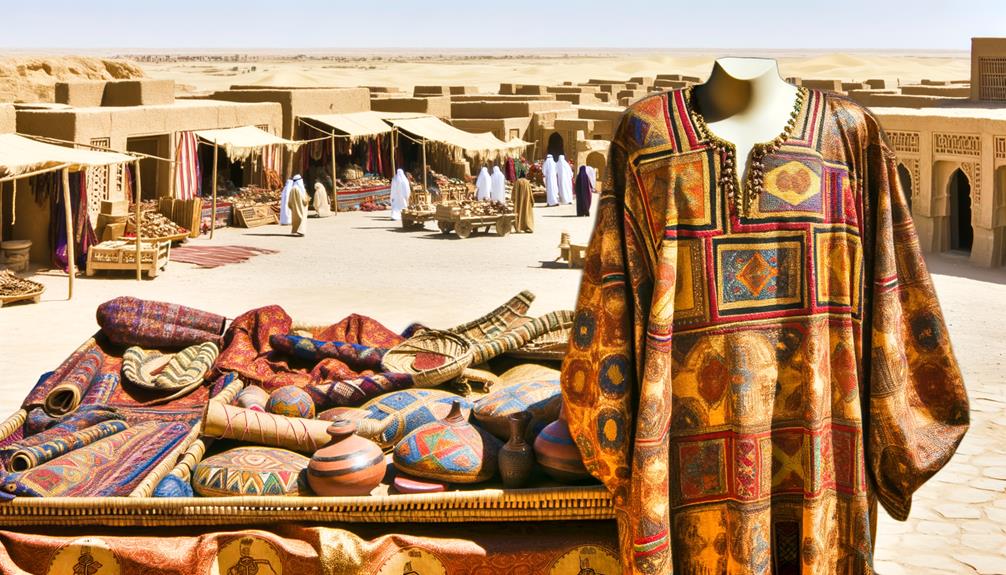
The cultural significance of tunics in the Bible is deeply intertwined with the daily life and religious practices of ancient Israel.
These garments, often referenced in scriptures, not only served functional purposes but also carried profound symbolic meanings, especially in the context of priestly attire.
Understanding the specific uses and symbolic connotations of tunics provides valuable insights into the societal and theological frameworks of the biblical era.
Ancient Biblical Attire
Amidst the rich tapestry of ancient biblical attire, the tunic emerges as a garment of profound cultural and theological significance. In biblical times, the tunic was a basic, yet essential, piece of clothing worn by both men and women.
Typically, it was a simple, knee-length garment made from wool or linen, designed for functionality and modesty. Its presence in daily life transcended social strata, from common laborers to the elite.
The tunic’s simplicity allowed it to be a canvas for individual expression through variations in fabric quality, color, and ornamentation. Analyzing its role within ancient Hebrew society reveals the tunic not only as a practical item but also as a marker of identity, social status, and religious observance.
Symbolism in Scriptures
Within the scriptures, the tunic frequently emerges as a symbol imbued with cultural and theological layers, reflecting the wearer’s social and spiritual identity.
In biblical narratives, tunics often denote:
- Inheritance and Authority: Joseph’s coat of many colors signifies his favored status and future leadership.
- Humility and Service: Jesus washing His disciples’ feet while wearing a simple tunic underscores humility.
- Righteousness: The seamless tunic of Jesus, for which soldiers cast lots, can symbolize His divine righteousness.
- Transformation: Garments often mark a change in status or identity, as seen in the prodigal son’s new robe.
Priestly Garments Significance
In ancient Israel, priestly garments were meticulously designed to reflect the sanctity and distinct roles of the Levitical priesthood, signifying their consecration and service to God. Each element, from the ephod to the tunic, bore profound symbolic meaning.
The garments, woven from fine linen, indicated purity and separation from the secular. The breastplate, adorned with twelve stones representing the tribes of Israel, underscored the priest’s role as an intercessor.
Additionally, the turban inscribed with ‘Holy to the Lord‘ exemplified the holiness required in their duties. These vestments were not mere attire but theological symbols of divine appointment, ritual purity, and the covenant relationship between God and His people, reinforcing communal identity and spiritual order.
Old Testament References

The Old Scripture frequently mentions tunics, underscoring their significance in ancient Hebrew culture and religious practice. These garments were more than mere clothing; they symbolized roles, status, and divine ordinances.
Tunics are significantly referenced in various contexts:
- Genesis 37:3: Joseph’s “coat of many colors” signifies paternal favoritism and divine destiny.
- Exodus 28:39-43: Priestly tunics, part of sacred vestments, denote purity and service to God.
- Leviticus 8:7: Aaron’s consecration as high priest involves donning a tunic, symbolizing sanctification.
- 2 Samuel 13:18: Tamar’s “richly ornamented robe” reflects royal status and virginity.
New Testament Mentions

New Covenant references to tunics reflect both continuity and transformation in their symbolic and social significance within early Christian communities.
In the Gospels, Jesus instructs His followers to give their tunic to someone who asks for it, emphasizing radical generosity and selflessness (Matthew 5:40).
The seamless tunic of Jesus, mentioned during His crucifixion, symbolizes His high priestly role and unity (John 19:23-24).
Additionally, in Acts, the conversion of Paul includes a directive to receive a new garment, signifying a transformed life in Christ (Acts 9:18).
These instances illustrate how tunics in the New Scripture encapsulate themes of sacrifice, unity, and spiritual renewal, reflecting a continued yet evolved understanding from their Old Testament contexts.
Theological Interpretations

The tunic in biblical scripture holds profound theological significance, symbolizing not only divine provision but also the sacrificial nature of Christ’s ministry.
As a garment often associated with priests, its mention underscores the sanctity and mediatorial role of the wearer.
Analyzing its use across various passages reveals layers of meaning that enrich our understanding of biblical themes of purity, sacrifice, and divine service.
Symbolism in Scripture
In biblical texts, tunics often symbolize purity, authority, and the divine calling bestowed upon individuals. Seen as garments of sanctity, tunics in Scripture frequently denote a deeper spiritual significance beyond their mere physical appearance. Theologically, tunics are imbued with meanings that reflect key aspects of faith and divine interaction.
Purity: Tunics were traditionally white, signifying moral and spiritual cleanliness.
Authority: Worn by priests and leaders, they denoted God-given authority.
Divine Calling: Prophets and chosen individuals wore tunics, representing their special mission.
Protection: Tunics were considered a form of divine armor against evil.
Inheritance: Tunics passed down within families symbolized continuity of God’s covenant.
These symbolic attributes enrich the understanding of biblical narratives and theological concepts.
Garment of Sacrifice
Garments in biblical literature often signify sacrifice, embodying the profound theological concept of offering oneself wholly to God’s service.
In the Old Covenant, the tunic worn by priests during sacrificial rituals was not merely a piece of clothing but a symbol of purity and devotion. The act of donning such a garment indicated a readiness to serve as an intermediary between God and humanity.
Analyzing this in its historical context, the tunic can be seen as a signifier of one’s willingness to surrender personal desires in favor of divine will.
Theologically, it underscores the notion that true sacrifice involves more than physical offerings; it demands an inward, spiritual commitment to God, transforming the individual into a vessel of divine purpose.
Priestly Vestments Significance
Priestly vestments, imbued with rich theological significance, serve as vivid symbols of the sacred duties and divine authority bestowed upon those who wear them. These garments are meticulously detailed in scripture, reflecting a deep connection between the priest’s role and God’s holiness.
Each element of the vestments holds specific meaning, contributing to the overarching narrative of divine service and spiritual purity.
- The Ephod: Represents divine guidance and communication.
- The Breastplate: Symbolizes the priest’s role in judgment and decision-making.
- The Robe: Denotes dignity and the seamless nature of spiritual integrity.
- The Girdle: Signifies readiness for service and truth.
These vestments collectively underscore the sanctity and responsibility inherent in priestly duties.
Lessons From Tunic Narratives

Examining the tunic narratives in the Bible reveals profound theological insights and historical contexts that underscore their significance in biblical teachings.
The tunic of Joseph, for instance, symbolizes paternal favoritism and the ensuing familial discord, illustrating the destructive potential of envy and the providence of divine plans (Genesis 37).
Similarly, the seamless tunic of Christ, for which soldiers cast lots (John 19:23-24), signifies His unique role as the High Priest and unifier.
These narratives emphasize themes of identity, betrayal, and redemption.
The tunic, therefore, serves as a tangible representation of divine intervention and human fallibility, offering lessons on the necessity of faith, forgiveness, and the overarching sovereignty of God in the tapestry of human history.
Modern-Day Reflections
Frequently, the enduring symbolism of tunics in the Bible invites contemporary believers to reflect on their own spiritual journeys and the timeless lessons of faith and redemption encapsulated in these narratives.
Tunics, representing purity, protection, and divine provision, serve as potent reminders of God’s enduring presence and care.
- Spiritual Armor: Reflecting on the tunic as a symbol of divine protection.
- Redemption: Understanding the tunic’s role in narratives of forgiveness and renewal.
- Identity: Considering how clothing in the Bible marks one’s spiritual status.
- Humility: Embracing the simplicity and modesty inherent in biblical tunics.
These reflections encourage believers to internalize these profound biblical truths in their daily lives.
Conclusion
The tunic, an often overlooked garment, carries profound theological and historical significance within biblical narratives.
For instance, the precise mention of Jesus’ seamless tunic in John 19:23-24 underscores its unique value, with Roman soldiers casting lots for it rather than dividing it.
This detail not only reflects ancient cultural practices but also symbolizes the unity and indivisibility of Christ’s mission.
Examining these tunic references provides deeper insights into biblical symbolism and the socio-religious context of the scriptures.