Knops Meaning in the Bible: Temple Ornamentation
In the Bible, ‘knops‘ refer to ornamental designs akin to buds or spherical shapes, mainly found in sacred objects such as the Tabernacle’s furnishings. They are meticulously described in Exodus 25:31-36, particularly in the construction of the golden lampstand (menorah).
Symbolically, knops epitomize divine craftsmanship, spiritual growth, and the intricate nature of God’s design, crafted from materials like pure gold. The term originates from the Hebrew word ‘kaftorim,’ emphasizing theological and cultural narratives of divine worship.
Their presence hints at deeper spiritual insights and the sophisticated nature of biblical artistry waiting to be explored further.

Key Takeaways
- Knops are ornamental designs resembling buds, often found in the Tabernacle’s furnishings in the Bible.
- They symbolize divine craftsmanship, spiritual insight, and the fruition of God’s purpose.
- In Exodus, knops appear in the design of the golden lampstand (menorah), emphasizing beauty and sanctity in worship.
- Knops serve as reminders of God’s attention to detail and the complexity of divine creation.
Definition of ‘Knops’
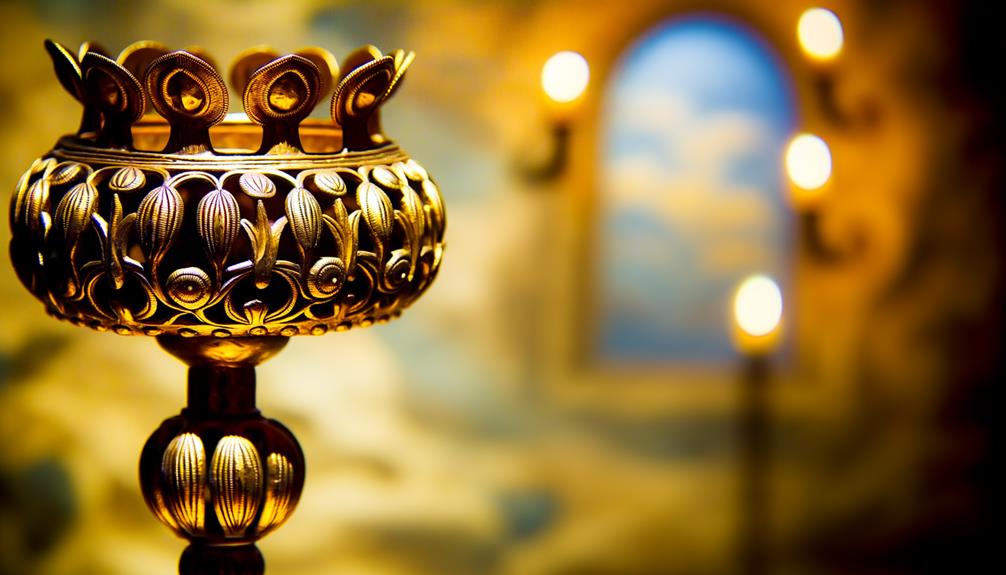
The term ‘knops’ in the Bible refers to ornamental designs resembling buds or spherical shapes, often found in the context of sacred objects and temple furnishings.
These intricate designs are emblematic of divine craftsmanship and carry profound theological implications. The knops signify not merely aesthetic decoration but symbolize the perfection and completeness inherent in divine creation.
Theologically, they may represent the blossoming of spiritual insight and the fruition of divine purpose. The use of such motifs in sacred contexts underscores the emphasis on beauty and sanctity in worship, reflecting the meticulous attention to detail commanded by God.
This meticulous design serves as a reminder of the celestial order and the transcendental nature of divine craftsmanship within the sacred spaces.
Biblical References

To understand the significance of ‘knops‘ in the Bible, it is essential to examine their occurrences, particularly in the Book of Exodus, where their detailed descriptions contribute to the intricate design of the Tabernacle’s furnishings.
The representation of knops, often seen as ornamental bulbs or buds, carries profound symbolic weight, pointing towards themes of growth and divine craftsmanship.
Analyzing these references will illuminate the theological and symbolic layers embedded within the biblical text.
Knops in Exodus
Exploring the term ‘knops‘ within the context of Exodus reveals its significant role in the intricate design of the Tabernacle’s lampstand, symbolizing divine craftsmanship and theological meaning.
In Exodus 25:31-36, the lampstand, or menorah, features ‘knops’—ornamental knobs or buds—integrated into its structure. These knops, described alongside almond flowers and branches, contribute to the lampstand’s aesthetic and symbolic unity, reflecting the divine blueprint given to Moses.
The precise number and arrangement of knops underscore meticulous adherence to God’s instructions, exemplifying divine order and beauty. This detailed craftsmanship not only serves a liturgical function but also conveys deeper insights into the sacred nature of the Tabernacle, emphasizing the reverence due to God’s dwelling place among His people.
Symbolism of Knops
Throughout various biblical references, the symbolism of ‘knops’ emerges as a profound representation of divine intricacy and spiritual significance.
Largely mentioned in the context of the Tabernacle’s golden lampstand (Exodus 25:31-36), knops, often described as ornamental buds or bulbs, symbolize the blossoming of divine revelation and the intricate design of God’s creation.
Their presence on sacred objects signifies a connection to the natural world, echoing the themes of growth, fecundity, and divine craftsmanship.
Theologically, knops may be interpreted as reminders of God’s attention to detail, the interwoven complexity of His plans, and the beauty inherent in His divine order.
Consequently, knops serve as tangible symbols of spiritual truths, enhancing the sacredness of worship.
The Tabernacle’s Design
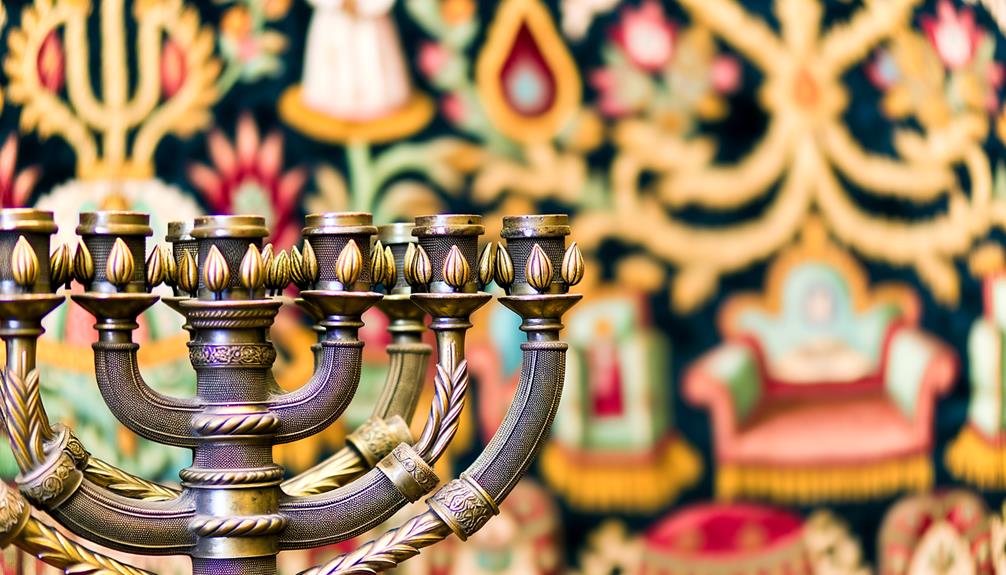
In examining the Tabernacle’s design, the inclusion of knops, or ornamental knobs, serves as a profound symbol reflecting both divine craftsmanship and theological significance.
These elements, meticulously crafted from precious materials, underscore the sanctity and intricate beauty intended by divine instruction.
Exploring the biblical references to these knops reveals layers of symbolic meaning, enhancing our understanding of their role within the sacred space.
Symbolism of Knops
The knops, or decorative buds, featured in the design of the Tabernacle symbolize divine craftsmanship and the intricate, sacred beauty inherent in God’s dwelling.
These ornamental elements, often likened to almond blossoms, reflect the richness of creation and the meticulous attention to detail commanded by divine instructions.
Theologically, knops represent the flourishing life and spiritual significance that emanates from God’s presence.
Their placement within the Tabernacle underscores God’s desire for an abode that mirrors the order and splendor of the heavens.
Furthermore, these symbols serve as a reminder of the divine covenant and the continual renewal of faith.
Consequently, knops are not mere decorations, but profound emblems of God’s omnipresence and the sanctity of worship.
Material and Craftsmanship
Building upon the symbolic significance of knops, the material and craftsmanship employed in the Tabernacle’s design reflect a divine mandate for precision and holiness in its construction.
The use of acacia wood, overlaid with pure gold, signifies durability and purity, while the intricate carvings and detailed metalwork symbolize the intricate relationship between God and His people.
The artisans, endowed with divine wisdom, meticulously followed God’s specifications to guarantee that every component, including the knops, met sacred standards.
This meticulous attention to material and craftsmanship underscores a theology of sanctity and devotion, emphasizing that the Tabernacle was not merely a physical structure but a sanctified space where divine presence dwelled, demanding the highest quality and utmost reverence.
Biblical References Explained
Frequently, scriptural references to the Tabernacle’s design emphasize the meticulous instructions provided by God, underscoring the theological importance of each architectural and ornamental element, including the knops.
In Exodus 25:31-36, knops are described as integral parts of the golden lampstand (Menorah). These knops, akin to buds or ornamental knobs, symbolize the intricate beauty and divine order inherent in God’s dwelling place.
The recurrence of knops emphasizes the unity and continuity of the divine craftsmanship. Each knop served not merely as a decorative feature but as a reminder of God’s attention to detail and the sacred nature of the Tabernacle.
Analyzing these references helps illuminate the profound spiritual significance embedded in the Tabernacle’s design.
Hebrew Origins
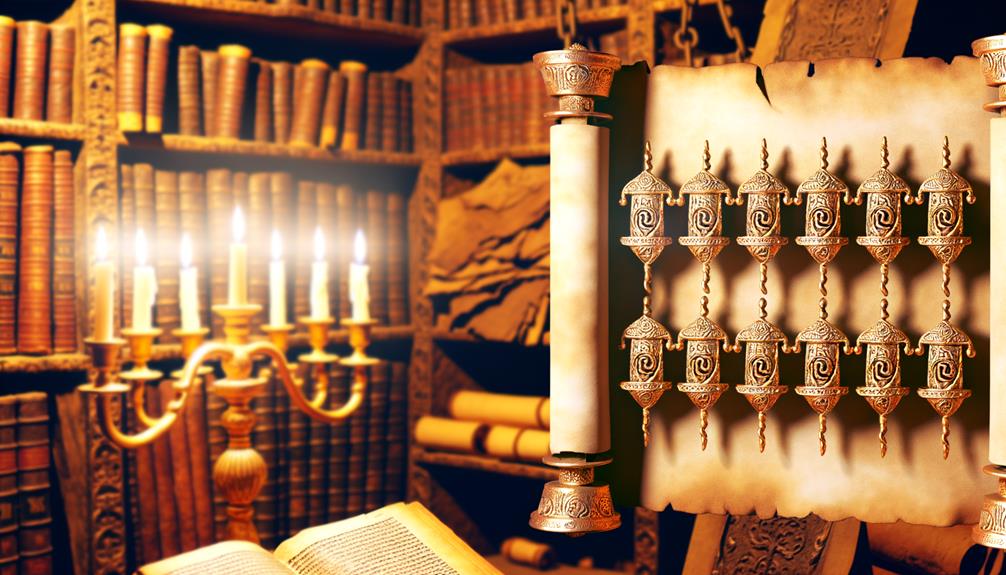
Rooted deeply in ancient Hebrew culture, the term ‘knops’ (כַּפԎּוֹרִים, kaftorim) finds its etymological and symbolic significance in the intricate designs described within the sacred writings of the Old scripture.
Specifically, ‘knops’ refers to ornamental features resembling buds or bulbs, often depicted in the construction of the Tabernacle and the Temple, as outlined in Exodus and 1 Kings.
The Hebrew word ‘kaftorim’ encapsulates both the physical form and the cultural aesthetics of ancient Israelite craftsmanship.
These ornate details were not merely decorative; they represented a deeper theological and cultural narrative, reflecting the profound connection between artistry and divine worship in Hebrew tradition.
Understanding ‘knops’ within this context enriches our comprehension of biblical artistry and its spiritual implications.
Symbolic Significance
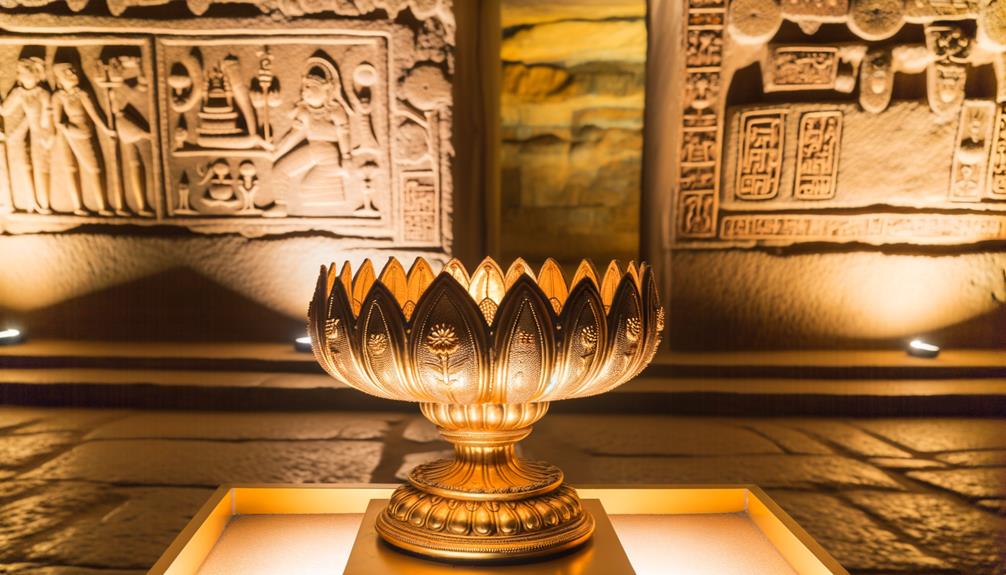
The symbolic significance of ‘knops’ in biblical texts extends beyond their ornamental function, embodying theological themes of divine perfection, creation, and the intricate relationship between the sacred and the material world.
Often found in the context of the Tabernacle’s design, knops symbolize the meticulous craftsmanship that reflects God’s perfect order.
These decorative elements, resembling buds or flowers, evoke the beauty and complexity of creation, suggesting that every detail in the divine plan holds profound meaning.
Furthermore, their presence in sacred architecture underscores the belief that the divine can manifest in the physical domain, bridging the heavenly and earthly territories.
Consequently, knops serve as a reminder of the omnipresence and meticulous nature of the divine in biblical theology.
Artistic Representations
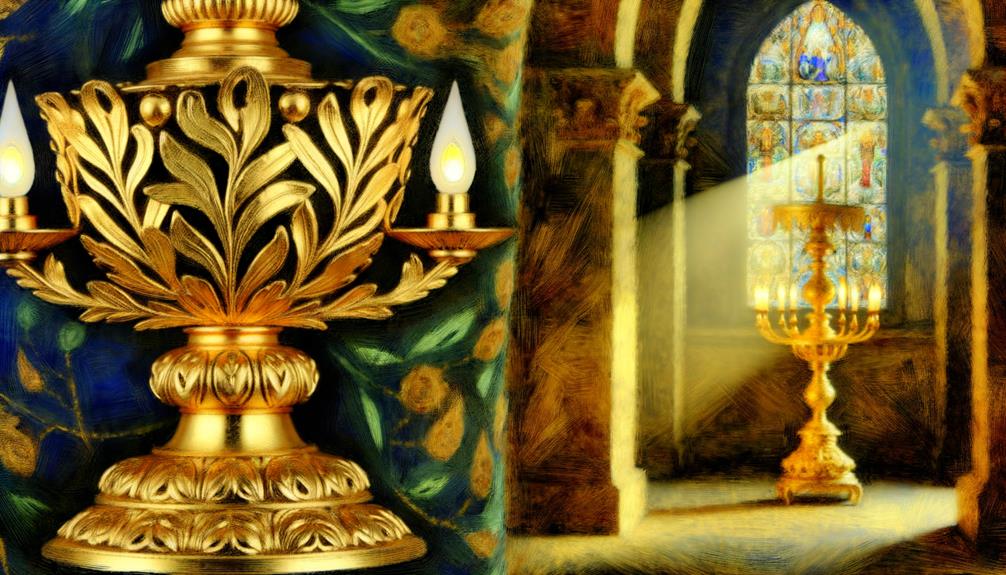
In light of their profound symbolic significance, the artistic representations of knops in biblical artifacts and architecture reveal a rich tapestry of theological and aesthetic intentions.
Typically depicted as ornamental knobs or buds, these motifs adorn sacred objects such as the golden lampstand (menorah) in the Tabernacle, embodying divine light and guidance. Their intricate designs, often resembling almond blossoms, signify life, vigilance, and spiritual awakening.
The meticulous craftsmanship underscores the artisans’ reverence, aiming to manifest the divine in tangible form. These representations also serve as didactic tools, embedding theological principles within visual art, thereby fostering a deeper spiritual engagement.
Through these depictions, the knops transcend mere decoration, encapsulating profound religious truths and artistic excellence.
Comparison With Modern Terms
Examining the term ‘knops‘ within a modern lexicon reveals intriguing parallels and divergences, illuminating how contemporary language and symbolism continue to evolve from their ancient theological origins.
In the Bible, ‘knops’ refer to decorative, often spherical elements, typically found in sacred architecture or artifacts. Today, similar concepts are found in terms like ‘ornaments’ or ‘finials,’ indicating decorative yet functional elements in design and architecture.
However, modern terminology lacks the rich theological symbolism imbued in ‘knops,’ which often signified divine craftsmanship and spiritual perfection.
This comparison underscores not only the evolution of language but also the shifting focus from deeply symbolic religious meanings to more secular, aesthetic considerations in contemporary parlance.
Cultural Context
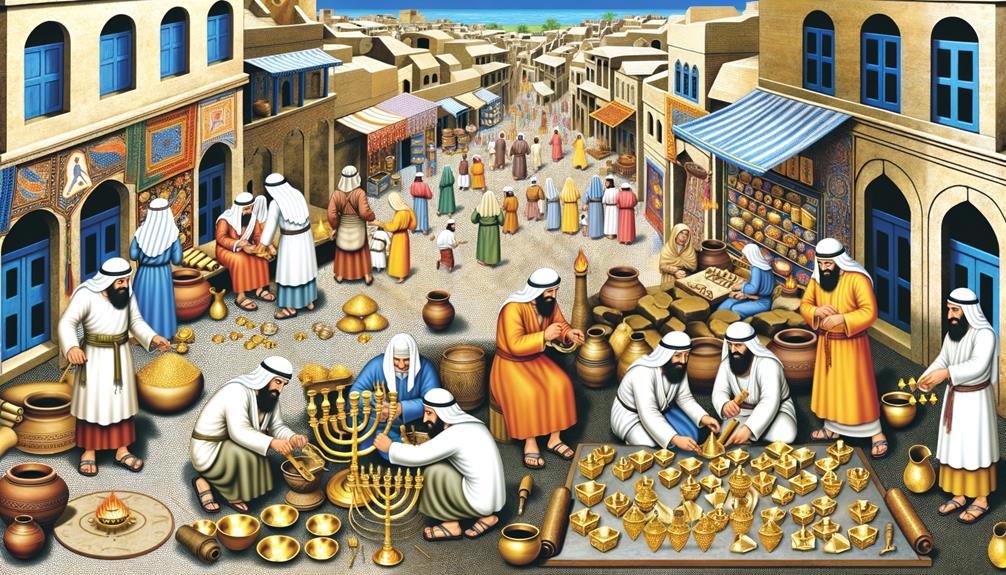
Understanding the term ‘knops’ within its broader cultural context necessitates an exploration of the ancient Near Eastern societies where these symbolic elements were both created and revered.
In these civilizations, intricate craftsmanship and ornamental designs were not merely aesthetic; they carried profound spiritual and cultural significance.
The usage of knops, often resembling floral or botanical motifs, reflected a deep connection to themes of life, fertility, and divine creation.
Their presence in sacred artifacts and temple furnishings underscored the belief that such symbols bridged the earthly and the divine domains.
This cultural embedding highlights the theological importance of knops in conveying sanctity, continuity, and the intricate beauty of God’s creation, resonating with the broader religious and artistic expressions of the time.
Knops in Other Scriptures
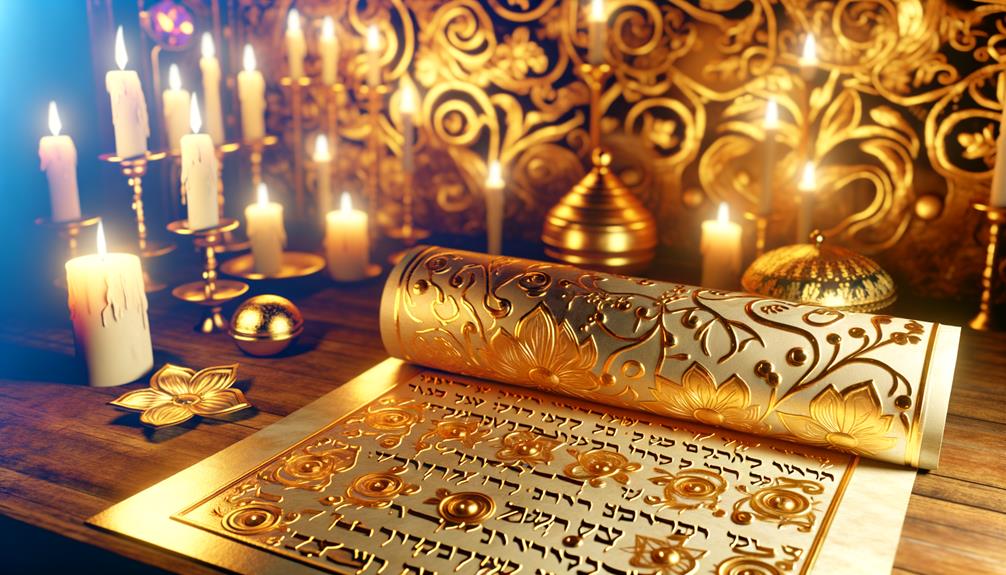
The representation of knops extends beyond the Hebrew Bible, appearing in various other ancient scriptures where they continue to symbolize divine attributes and cosmological principles.
In the texts of ancient Mesopotamia, knops often surfaced in temple architecture and sacred artifacts, symbolizing fertility and the divine order.
Similarly, in Egyptian religious iconography, lotus-like knops adorned temple columns, representing creation and renewal.
In Greco-Roman traditions, knops appeared in the decorative motifs of sacred spaces, often linked to divine protection and the cyclical nature of life.
These recurring motifs underscore a universal archetype, where knops function as a tangible manifestation of higher spiritual truths, bridging the material and divine domains across diverse cultures and religious traditions.
Interpretations by Scholars
In interpreting the term ‘knops‘ within the biblical context, scholars have presented multifaceted viewpoints that encompass its symbolic significance, ancient textual references, and theological implications.
Detailed exegesis has revealed that ‘knops’ may represent divine attributes or serve as architectural metaphors in sacred structures.
Through rigorous analysis of ancient manuscripts and theological discourse, these interpretations offer a nuanced understanding of this term’s role in biblical literature.
Symbolic Biblical Significance
While interpretations of ‘knops’ in biblical texts vary among scholars, a predominant view suggests that these ornamental features carry profound symbolic significance, often representing divine craftsmanship and the intricate beauty of creation.
Theologically, knops are frequently linked to:
- Divine Perfection: Reflecting God’s flawless design in the tabernacle and temple furnishings.
- Creation’s Complexity: Symbolizing the detailed and ordered nature of God’s universe.
- Spiritual Fruitfulness: Echoing the fruitful and multiplying aspects of faith and divine blessing.
- Heavenly Order: Mirroring the celestial harmony and precision that believers aim to emulate.
These interpretations collectively underscore the knops as more than mere decorations; they are emblematic of deeper spiritual truths and God’s omnipresent artistry in the sacred texts.
Ancient Textual Analysis
Scholars have meticulously examined ancient texts to unravel the nuanced meanings and implications of ‘knops’ within biblical literature. These efforts have revealed a tapestry of interpretations, each contributing to our understanding of this term’s intricate symbolism. In the Hebrew Bible, ‘knops’ often translates to ‘kaphtorim,’ a term whose exact meaning has been the subject of extensive scholarly debate.
| Scholar | Interpretation | Source Text |
|---|---|---|
| Umberto Cassuto | Ornamental Flourishes | Exodus 25:31-34 |
| William F. Albright | Architectural Elements | 1 Kings 6:18 |
| Rashi | Floral Decorations | Exodus 37:17-20 |
These interpretations underscore the complexity of ‘knops,’ reflecting various cultural, religious, and architectural symbolisms embedded within ancient scripture.
Theological Perspectives Explained
The intricate symbolism of ‘knops’ within biblical literature is further elucidated through various theological perspectives, which provide deeper insights into its spiritual and doctrinal significance. Scholars have offered diverse interpretations that highlight the multifaceted nature of ‘knops’ as depicted in sacred texts.
These interpretations can be categorized into several key themes:
- Symbol of Divine Perfection: The spherical form of ‘knops’ is often seen as representing God’s completeness and eternal nature.
- Representation of Fruitfulness: ‘Knops’ are sometimes linked to the idea of spiritual fecundity and growth.
- Architectural Elegance: They signify the intricate beauty and craftsmanship of God’s creation.
- Liturgical Significance: In the context of temple furnishings, ‘knops’ emphasize the sanctity and reverence required in worship.
These theological perspectives enrich our understanding of the biblical text.
Lessons for Today

Examining the symbolism of knops in biblical texts reveals several profound lessons that remain relevant for contemporary spiritual practice.
The intricate designs of knops, often found in sacred objects like the menorah, signify the importance of beauty and meticulous craftsmanship in worship. This attention to detail underscores the need for intentionality and reverence in modern religious observances.
In addition, knops symbolize growth and potential, echoing the spiritual journey of believers working for maturity and deeper faith.
By reflecting on these symbols, contemporary believers are reminded to cultivate inner spiritual beauty and to approach their faith with thoughtfulness and dedication.
As a result, the ancient symbol of knops continues to inspire and guide today’s spiritual community toward a more profound and intentional faith experience.
Conclusion
The exploration of knops in the Bible juxtaposes their ornamental function in the Tabernacle with their deeper symbolic significance.
Knops, though seemingly minor, contribute richly to the theological tapestry, reflecting divine craftsmanship and meticulous design.
Their Hebrew origins and cultural context underscore their importance in biblical narratives.
Scholars’ interpretations further illuminate their multifaceted roles.
Understanding knops consequently bridges ancient scripture and contemporary reflections, offering timeless lessons in faith, reverence, and the sanctity of sacred spaces.