Meaning of Miguel in the Bible: Biblical Roots
The name Miguel, originating from the Hebrew Michael, means ‘Who is like God?’ It signifies the incomparable nature of God, emphasizing monotheism and divine authority. In biblical texts, Michael is a powerful archangel, depicted as a celestial warrior and protector of Israel (Daniel 10:13; 12:1).
He leads heavenly armies against evil forces (Revelation 12:7-9) and contends with the devil (Jude 1:9). This name’s historical and theological richness underscores a guardian’s role and commitment to divine justice, suggesting profound implications for those interested in biblical and cultural studies.

Key Takeaways
- Miguel is derived from the Hebrew name Michael, meaning ‘Who is like God?’.
- Michael is a significant biblical figure, known as an archangel and divine warrior.
- He is depicted as a protector of Israel and leader against evil in the Bible.
- Michael symbolizes divine authority, justice, and the triumph of good over evil.
Origin of the Name Miguel

The name Miguel, derived from the Hebrew name Michael, finds its origins in the ancient biblical texts where it is prominently associated with the archangel Michael, a key figure in Judeo-Christian theology.
Michael, whose name means ‘Who is like God?’ in Hebrew, is revered for his role as a protector and leader of the heavenly armies against the forces of evil.
Scriptural references to Michael can be found in the Book of Daniel (Daniel 10:13, 21; 12:1), where he is depicted as a great prince and defender of Israel.
Historically, the veneration of Michael as an archangel has deep roots, influencing not only religious texts but also art and liturgy throughout the centuries.
This etymological lineage underscores the name’s enduring spiritual significance.
Biblical Roots of Miguel

Frequently mentioned in the Bible, the name Miguel (Michael) embodies profound theological significance, particularly through its association with the archangel Michael, a celestial warrior and guardian of Israel. Michael’s presence is noted in key scriptural passages, such as Daniel 10:13, where he contends with the prince of Persia, and Revelation 12:7-9, where he leads heavenly armies against the dragon. These narratives highlight Michael’s role as a divine protector and enforcer of God’s will.
| Scriptural Reference | Description |
|---|---|
| Daniel 10:13 | Michael contends with the prince of Persia |
| Daniel 12:1 | Michael stands up for Israel |
| Revelation 12:7-9 | Michael leads heavenly armies |
Such references illuminate Michael’s enduring importance in biblical history and theology.
Meaning of Michael in Hebrew
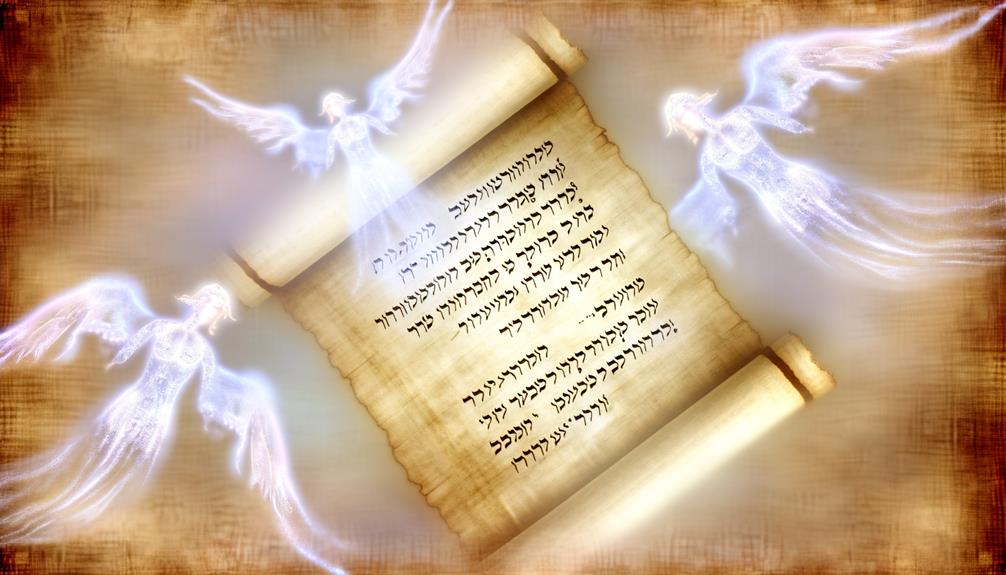
In Hebrew, the name Michael (מִיכָאֵל, Mīkhā’ēl) translates to ‘Who is like God?’
This rhetorical question underscores the uniqueness and incomparability of God, reflecting a profound theological assertion.
Historically, names in Hebrew culture often conveyed significant religious meanings and were believed to invoke divine protection or attributes.
In the context of the Bible, Michael’s name serves as an affirmation to monotheism, emphasizing God’s unparalleled nature.
The name appears in various scriptural passages, particularly in the Book of Daniel (Daniel 10:13, 21) and the Book of Revelation (Revelation 12:7), where Michael is portrayed as a powerful divine warrior.
Understanding this name within its original Hebrew context enriches our comprehension of its theological and historical implications.
Archangel Michael in Scripture
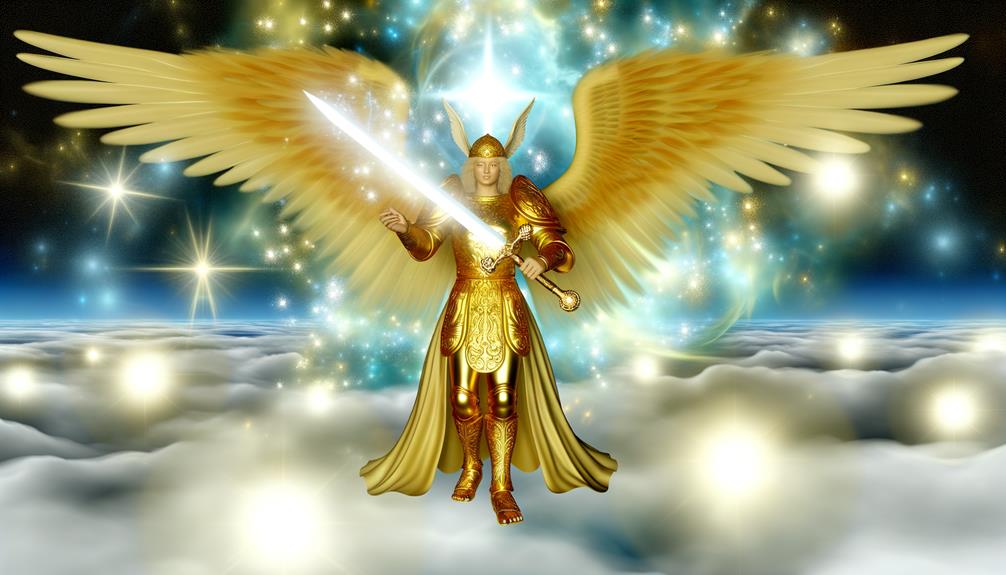
Among the celestial beings mentioned in the Bible, Archangel Michael stands prominently as a defender of God’s people, particularly noted in the Book of Daniel and the Book of Revelation. His role and significance are underscored through various scriptural references:
- Daniel 10:13: Michael aids another angel to overcome the Prince of Persia.
- Daniel 12:1: Michael is described as the great prince who protects Israel.
- Revelation 12:7-9: Michael leads angelic forces against the dragon.
- Jude 1:9: Michael contends with the devil over Moses’ body.
Through these passages, Michael’s pivotal role as a celestial guardian and intercessor is vividly portrayed.
Michael as a Heavenly Warrior
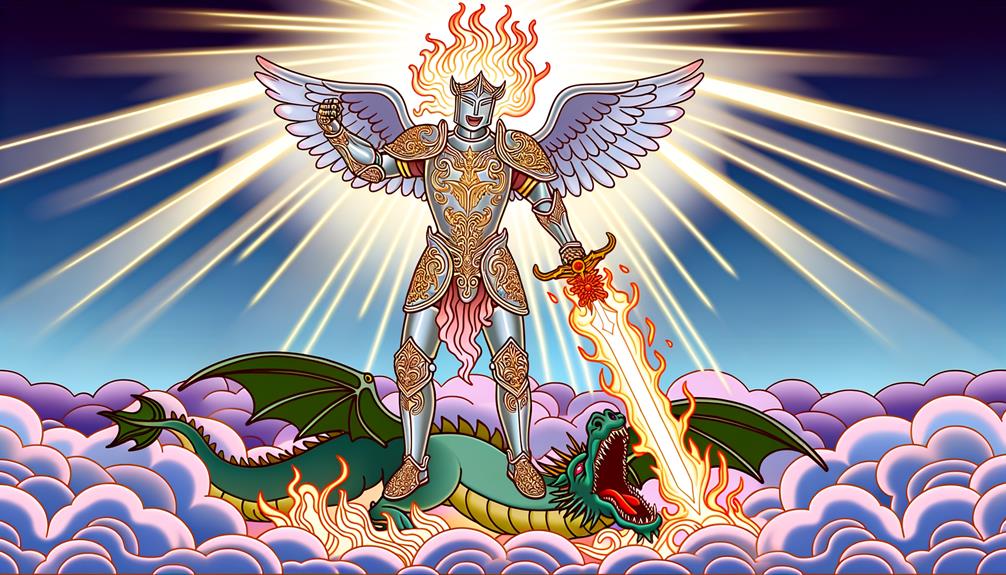
In the Bible, Archangel Michael is depicted as a formidable heavenly warrior, often leading the celestial armies against the forces of darkness, as exemplified in Revelation 12:7-9.
His role extends beyond battle, serving as a divine protector of Israel and a guardian of the faithful, as noted in Daniel 12:1.
Historically, Michael’s image has symbolized strength and unwavering commitment to divine justice, reinforcing his status as a paramount figure in theological discourse.
Archangel’s Battle Role
A quintessential figure of celestial warfare, Michael the Archangel stands as a formidable defender of divine order, prominently depicted in the Book of Revelation 12:7-9 where he leads the heavenly host against the forces of evil. His role is underscored by:
- Revelation 12:7-9: Michael’s triumph over the dragon, symbolizing Satan.
- Daniel 10:13: Michael assists in spiritual battles against Persia.
- Daniel 12:1: He stands guard over the children of Israel in times of distress.
- Jude 1:9: Michael contends with the devil over Moses’ body.
These scriptural references and historical interpretations reveal Michael’s integral role in upholding divine justice and combating malevolent forces.
Divine Protector Duties
Michael’s capacity as a divine protector extends beyond his battlefield prowess, encapsulating his vigilant guardianship over humanity and his unyielding commitment to divine mandates.
Scripture references such as Daniel 12:1 highlight Michael’s role as the ‘great prince‘ who stands watch over the children of Israel, signifying his protective duties.
Historically, he is seen as the guardian angel of the faithful, a role reinforced by his appearances in apocalyptic literature where he combats evil forces.
His actions are grounded in unwavering obedience to God’s will, serving as a celestial sentinel who guarantees that divine justice prevails.
This theological insight underscores Michael’s pivotal role in the spiritual domain, safeguarding humanity against both earthly and cosmic threats.
Symbol of Strength
Embodying divine strength, Michael is often depicted in scripture as a formidable heavenly warrior who leads celestial armies against the forces of darkness.
In the Book of Revelation (12:7-9), Michael and his angels wage war against the dragon, symbolizing the ultimate triumph of good over evil. His role as a warrior angel is further highlighted in Jude 1:9, where he contends with Satan over Moses’ body.
Historically, Michael’s imagery has been a source of inspiration, representing spiritual warfare and divine protection.
- Revelation 12:7-9: Michael leads the heavenly hosts.
- Jude 1:9: Michael disputes with Satan.
- Daniel 10:13: Michael assists in spiritual battles.
- Daniel 12:1: Michael stands as a protector.
Symbolism of Michael in the Bible
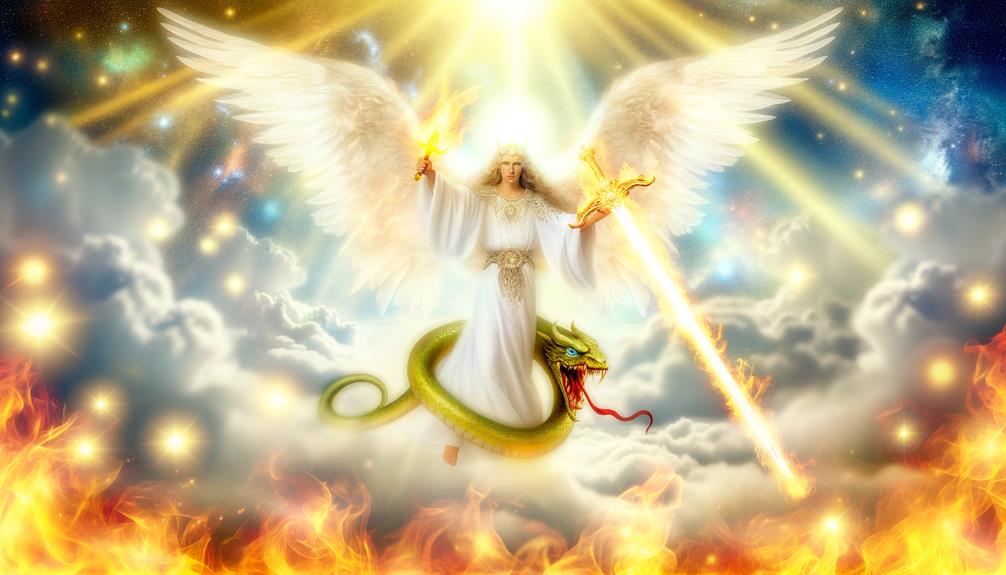
Archangel Michael’s symbolism in the Bible encompasses his role as a celestial defender and his embodiment of divine authority.
Scriptural references, such as Daniel 10:13 and Revelation 12:7-9, highlight Michael’s function as a protector of God’s people against cosmic forces of evil.
Historically, his depiction as a warrior angel signifies divine justice and the ultimate triumph of good over evil in the biblical narrative.
Archangel Michael’s Role
In biblical literature, the figure of Michael the Archangel is prominently depicted as a divine warrior and protector of Israel, symbolizing God’s power and justice. His role spans various scriptural references, underscoring his significance in both Old and New Scriptures.
Michael’s actions and attributes include:
- Defender of Israel: Seen in Daniel 12:1, where he stands up for the children of Israel during the end times.
- Leader of Heavenly Armies: Depicted in Revelation 12:7-9, leading angels against the dragon.
- Mediator of God’s Will: Acts as a messenger carrying out divine commands.
- Symbol of Righteousness: Exemplifies unwavering faith and adherence to divine law.
Michael’s presence underscores divine intervention and protection.
Michael’s Divine Authority
Michael’s role as a divine warrior and protector also signifies his overarching authority as a celestial being, ordained to carry out God’s will and embody divine sovereignty.
Scriptural references such as Daniel 10:13 and Revelation 12:7 depict Michael leading heavenly armies against forces of evil, underscoring his divine mandate.
Historically, Michael’s portrayal in Judeo-Christian traditions emphasizes his unique status among angels, often regarded as a principal defender of God’s people.
His title as ‘archangel‘ denotes not merely rank but a profound embodiment of divine justice and power.
This symbolic authority reinforces the theological understanding of Michael as a guardian and enforcer of divine order, reflecting his pivotal role in the cosmic struggle between good and evil.
Michael’s Role in Spiritual Warfare
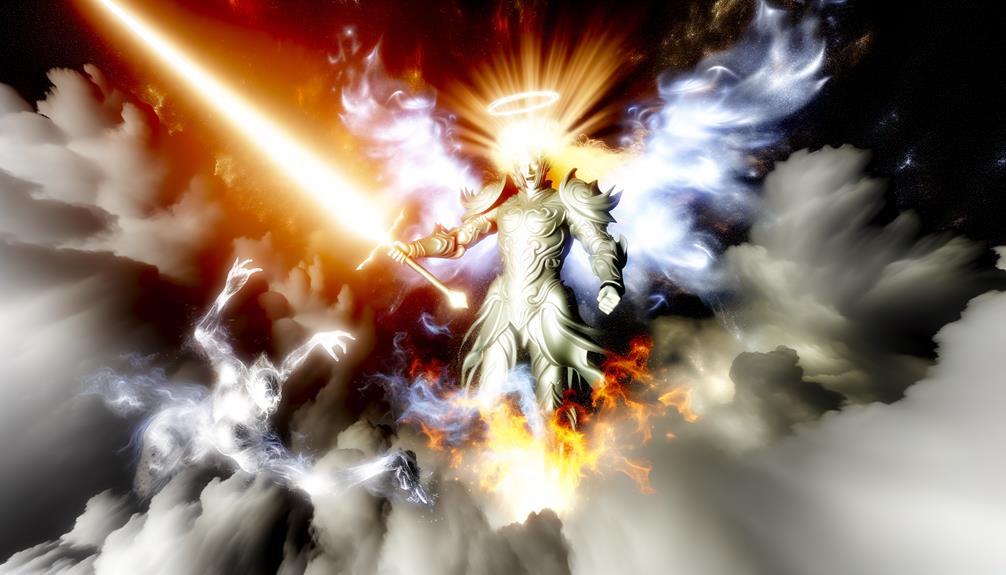
Throughout the biblical narrative, Michael emerges as a key figure in the spiritual battles described in both the Old and New Scriptures. His role is intricately woven into the fabric of cosmic conflict and divine intervention.
Michael is depicted as:
- Protector of Israel: Daniel 12:1 highlights Michael as the great prince who stands watch over the children of Israel.
- Heavenly Warrior: Revelation 12:7-9 portrays Michael leading the heavenly armies against the dragon.
- Opponent of Satan: Jude 1:9 references Michael disputing with Satan over Moses’ body.
- Symbol of Divine Strength: His very name, meaning ‘Who is like God?’, underscores his role.
These roles emphasize Michael’s pivotal position in spiritual warfare.
Michael in Different Biblical Texts
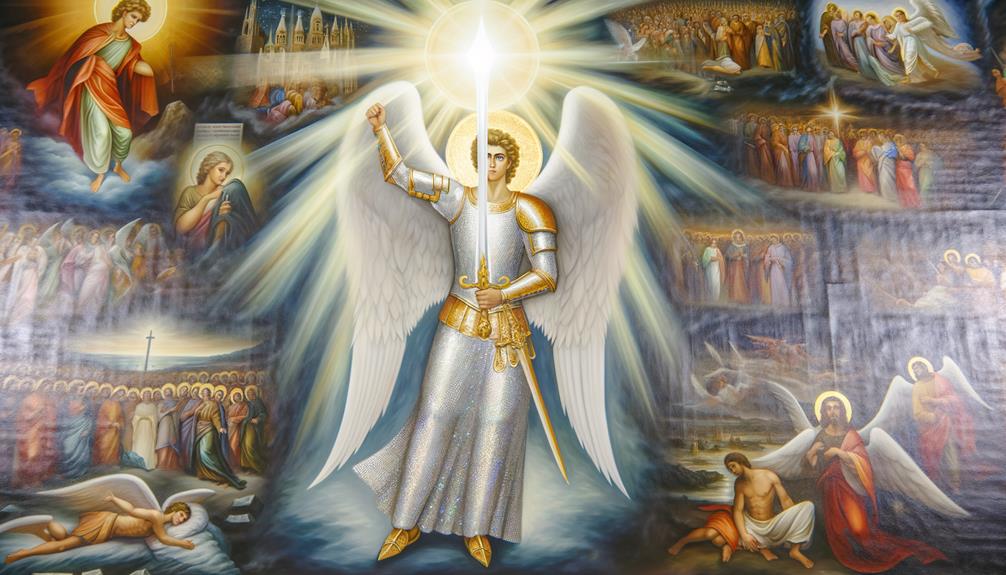
As we explore Michael’s depiction across different biblical texts, his multifaceted roles and appearances provide profound theological insights into his character and significance. Michael is mentioned in the Book of Daniel, the Epistle of Jude, and the Book of Revelation, each illustrating his divine responsibilities and attributes. In Daniel, Michael is depicted as the protector of Israel (Daniel 12:1). Jude identifies him as an archangel who contends with the devil (Jude 1:9). Revelation portrays him as the leader of the heavenly armies against the forces of evil (Revelation 12:7-9).
| Text | Role | Scriptural Reference |
|---|---|---|
| Daniel | Protector of Israel | Daniel 12:1 |
| Jude | Contender with the devil | Jude 1:9 |
| Revelation | Leader of heavenly armies | Revelation 12:7-9 |
Cultural Impact of Miguel

The name Miguel, translating to ‘Michael’ in English, has considerably influenced various cultural domains, including literature and historical figures.
In literature, the archangel Michael‘s portrayal in works such as John Milton’s ‘Paradise Lost’ underscores his enduring theological and symbolic importance.
Additionally, historical and contemporary figures named Miguel, such as Miguel de Cervantes, reflect the name’s pervasive impact, resonating with its biblical connotations of strength and divine protection.
Miguel in Literature
Miguel’s presence in literature often mirrors the profound biblical themes associated with his name, such as divine protection and strength, which have historically resonated through both sacred and secular texts.
This reflection is evident in various literary contexts:
- Biblical allegories: Stories drawing on Archangel Michael’s role in spiritual warfare (Revelation 12:7-9).
- Medieval epics: Tales of chivalry invoking Michael’s guidance in moral dilemmas.
- Renaissance poetry: Works celebrating divine justice and celestial intervention.
- Modern novels: Characters named Miguel embodying resilience and spiritual fortitude.
These literary representations underscore how the name Miguel continues to evoke rich theological and scriptural narratives, deeply imprinted in cultural consciousness.
Popular Miguel Figures
Drawing on centuries of theological insight and historical context, popular figures named Miguel have significantly shaped cultural narratives, reflecting the deep scriptural resonance of their namesake.
The archangel Michael, or Miguel in Spanish, revered in Christianity, Judaism, and Islam, embodies divine protection and justice. This celestial archetype has inspired many, including literary giants like Miguel de Cervantes, whose works, such as ‘Don Quixote,’ echo themes of moral integrity and valor.
In more contemporary settings, figures like Miguel Hidalgo y Costilla, a leader of the Mexican War of Independence, have drawn on the name’s heritage to embody courage and resistance.
Such individuals, grounded in historical and scriptural significance, continue to influence cultural and spiritual landscapes profoundly.
Miguel in Christian Traditions
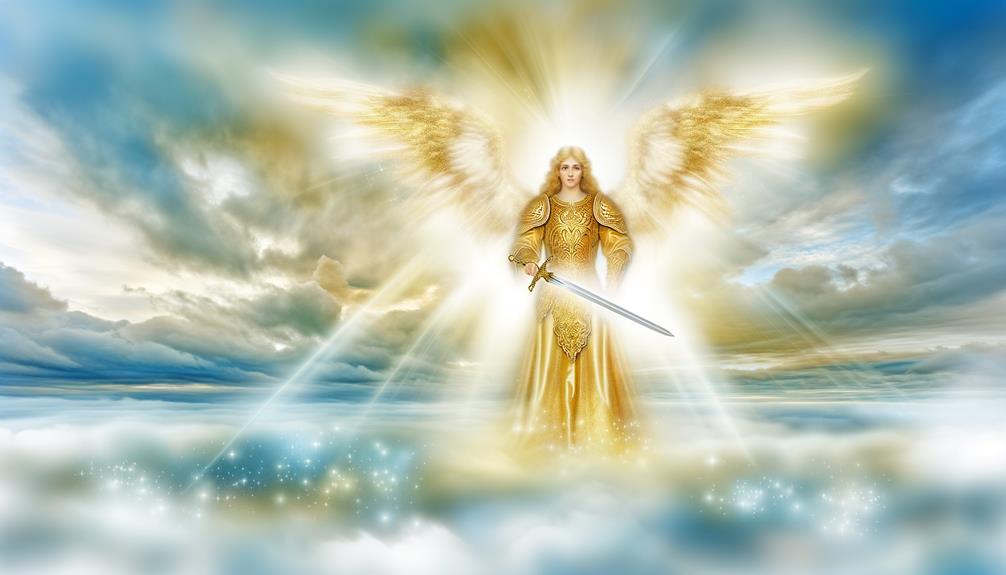
In Christian traditions, Miguel, known as Michael in English, is revered as an archangel who plays pivotal roles in biblical narratives and theological teachings. His significance is underlined through various scriptural references and historical contexts:
Defender of Faith: Mentioned in Daniel 10:13 and Revelation 12:7, Michael leads the heavenly armies against the forces of evil.
Intercessor for Humanity: He is often depicted as a mediator, praying for humanity’s salvation.
Protector of Israel: Daniel 12:1 highlights his role as the protector of the Jewish people.
Weigher of Souls: Christian iconography frequently portrays him holding scales, symbolizing judgment.
Prominent Feast Day: Celebrated on September 29th, Michaelmas honors his contributions to the Christian faith.
These elements underscore Michael’s enduring influence in Christian thought.
Modern Relevance of Miguel
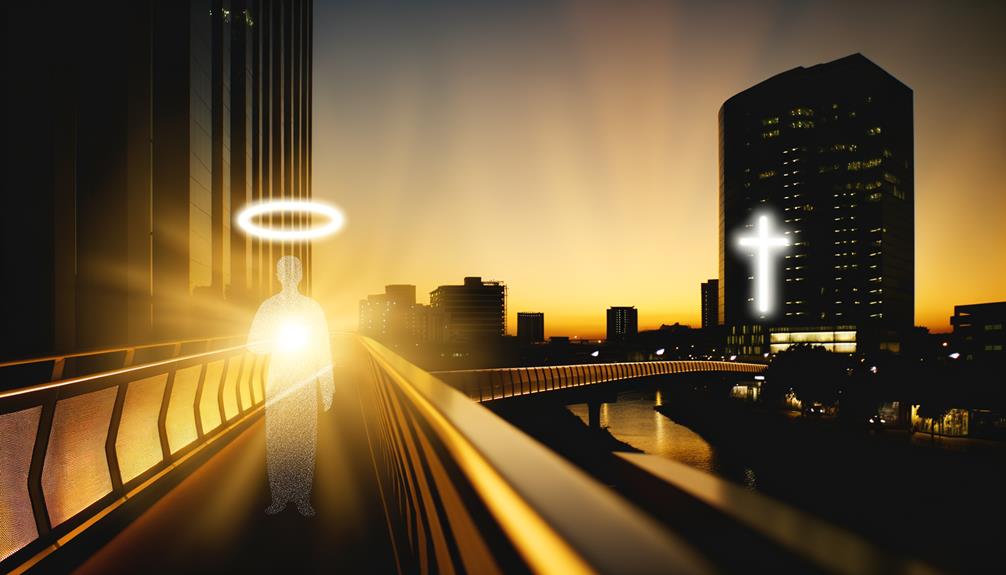
Despite the passage of centuries, the figure of Miguel, or Michael, retains profound significance in contemporary Christian practice and theology.
As the archangel who leads God’s army against the forces of evil (Revelation 12:7-9), Michael symbolizes divine protection and justice. His role as a heavenly warrior and intercessor continues to inspire believers, resonating through prayers, liturgy, and iconography.
Theologically, Michael’s unwavering faithfulness and strength are seen as exemplars of Christian virtues. Historically, his veneration dates back to early Christianity, evolving through medieval and modern periods.
Today, Michael’s presence in scripture and tradition provides a spiritual anchor, reminding the faithful of the eternal battle between good and evil and the assurance of divine support.
Conclusion
The name Miguel, deriving from Michael, holds profound theological significance rooted in Hebrew tradition.
Emphasized in scriptural texts, Michael, the Archangel, is portrayed as a heavenly warrior and protector. For instance, in the Book of Daniel, Michael is depicted as the great prince who stands guard over Israel (Daniel 12:1).
This enduring legacy highlights the cultural and religious impact of the name Miguel across different eras and Christian traditions, maintaining its relevance in modern times.