
Miracle Meaning in the Bible: Divine Intervention
In the Bible, miracles are extraordinary events that demonstrate divine power, often contravening natural laws to fulfill God’s redemptive purposes. They reveal God’s character and authenticate His messengers, with Old scriptures examples like the parting of the Red Sea and New scriptures acts such as Jesus healing the sick.
These miracles underscore God’s omnipotence and benevolence, challenging non-believers and strengthening the faith of believers. They function as theological anchors, illustrating divine intervention in human affairs and inviting deeper exploration of their significance and impact on faith.
Interested individuals will uncover richer insights into God’s nature and purposes.

Key Takeaways
- Miracles are extraordinary acts manifesting divine power that often contravene natural laws to fulfill God’s redemptive purposes.
- They serve to reveal God’s character, omnipotence, and benevolence, validating the authority of His messengers.
- Biblical miracles function as signs and wonders that bridge the divine-human interface and encourage faith.
- They underscore God’s covenantal promises and sovereignty, illustrating His active presence in human affairs.
Definition of Biblical Miracles

How does one define the term ‘miracle’ within the context of the Bible, a text deeply rooted in divine intervention and supernatural occurrences?
A biblical miracle can be understood as an extraordinary event manifesting divine power, often contravening natural laws, to fulfill a specific purpose within God’s redemptive plan.
These occurrences are not mere anomalies but deliberate acts demonstrating God’s sovereignty and reinforcing faith among believers.
Theologically, miracles serve to reveal God’s character, authenticate His messengers, and advance His covenantal promises.
Contextually, the Bible’s narrative framework positions miracles as both signs and wonders, emphasizing their role in bridging the divine-human interface.
Consequently, biblical miracles are profound, purposeful interventions that transcend ordinary experiences, underscoring the omnipotence and benevolence of God.
Old Testament Miracles

The Old Scripture is replete with miracles that illustrate God’s direct intervention in the natural world, each event meticulously orchestrated to fulfill His divine purposes and reveal His omnipotent nature.
Key examples include the parting of the Red Sea (Exodus 14), where God demonstrated deliverance and protection for the Israelites, and the manna from heaven (Exodus 16), symbolizing divine provision.
Elijah’s confrontation with the prophets of Baal on Mount Carmel (1 Kings 18) underscores God’s supremacy over false gods.
These miraculous events are not mere historical anecdotes but serve theological purposes: affirming God’s covenantal promises, demonstrating His sovereignty, and fostering faith among His people.
Through these miracles, the Old Scripture emphasizes a God who is both immanent and transcendent.
New Testament Miracles
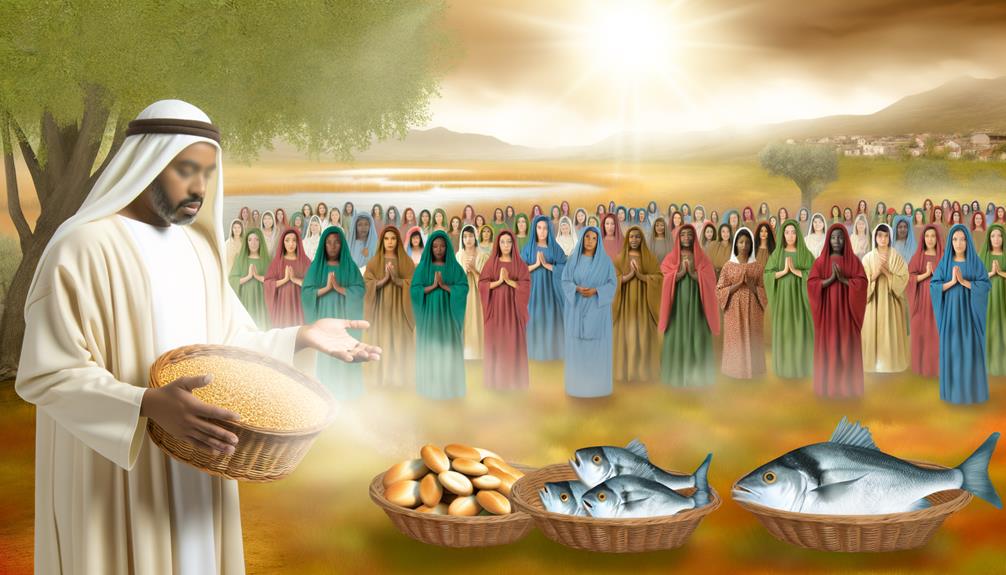
Miracles in the New Scriptures are profound demonstrations of Jesus Christ’s divine authority and serve as pivotal elements in the narrative, often reinforcing His teachings and affirming His identity as the Messiah.
These miraculous acts, ranging from healing the sick to calming storms and raising the dead, are not mere displays of power but are laden with deeper theological implications.
Contextually, they occur within specific settings that underscore Jesus’ compassion, emphasize the Kingdom of God, and challenge existing religious norms.
Each miracle invites witnesses and readers alike to recognize Jesus’ unique relationship with God, thereby solidifying His role as the prophesied Savior.
These acts are instrumental in validating His divine mission and fostering faith among His followers.
Theological Significance

The theological significance of miracles in the Bible encompasses several critical dimensions, including instances of divine intervention that underscore God’s sovereignty and omnipotence.
Furthermore, miracles serve as a catalyst for faith, reinforcing the belief that divine power transcends natural laws.
Divine Intervention Instances
Numerous instances of divine intervention depicted in the Bible serve not only as miraculous events but also as profound theological revelations that underscore God’s omnipotence and covenantal faithfulness.
These interventions reveal the divine character and purpose through:
- Deliverance of Israel from Egypt: The plagues and the parting of the Red Sea demonstrate God’s power over nature and His commitment to liberating His chosen people (Exodus 7-14).
- Provision in the Wilderness: Manna and quail provided to the Israelites highlight God’s sustenance and care during their journey to the Promised Land (Exodus 16).
- Resurrection of Lazarus: This miracle signifies Jesus’ authority over life and death, affirming His identity as the Son of God and His promise of eternal life (John 11:1-44).
These instances illustrate theological themes central to understanding divine intervention.
Faith and Miracles
Understanding divine intervention within the biblical narrative naturally leads to examining the interplay between faith and miracles, highlighting their profound theological significance.
Faith is often portrayed as a prerequisite for witnessing divine acts, as evidenced in numerous biblical accounts. For instance, Jesus frequently attributes miraculous healings to the faith of the individuals involved (e.g., Matthew 9:22).
This symbiotic relationship suggests that miracles serve to strengthen and affirm faith, while faith itself becomes a conduit for divine power.
Theologically, this dynamic underscores the necessity of an active, trusting relationship with God, wherein believers are open to experiencing His miraculous works.
Consequently, the interconnection between faith and miracles is central to understanding their role within the broader framework of biblical theology.
Purpose of Signs
Biblical signs and wonders, often referred to as miracles, serve a vital role in conveying divine messages and affirming God’s covenantal promises. These phenomena are deeply rooted in theological significance and provide essential insights into God’s interaction with humanity.
Their purposes include:
- Validation of Divine Authority: Miracles authenticate the messengers of God, underscoring their divine commission (e.g., Moses at the burning bush).
- Revelation of God’s Nature: Miracles reveal God’s omnipotence, mercy, and justice, offering glimpses into His character and intentions.
- Encouragement of Faith: Miracles strengthen the faith of believers and challenge non-believers to reconsider their stance, fostering spiritual growth and commitment.
These signs consequently function as theological anchors, bridging the divine with the human experience.
Historical Context

Rooted in the rich tapestry of ancient Near Eastern culture, the concept of miracles in the Bible emerges from a historical context deeply intertwined with the religious and social dynamics of the time.
Ancient civilizations, including the Israelites, perceived the divine as actively participating in worldly affairs, often through miraculous events.
Stories such as the parting of the Red Sea and Elijah’s confrontation with the prophets of Baal illustrate the profound theological implications of miracles, serving as divine endorsements of prophetic authority and covenantal fidelity.
This historical backdrop reveals a society where miracles were not mere supernatural phenomena but integral manifestations of divine will, reinforcing the communal identity and faith of the people within their historical and cultural milieu.
Lessons for Believers

The miraculous events depicted in the Bible serve as profound teaching tools for believers, emphasizing the importance of unwavering faith and trust in God’s omnipotence.
These divine interventions not only underscore God’s active presence in human affairs but also aim to fortify the believers’ spiritual convictions and reliance on Him.
Through these narratives, the biblical text encourages a strengthened belief that transcends ordinary experiences, fostering a deeper theological understanding of God’s relationship with humanity.
Faith and Trust
In the context of biblical miracles, the concepts of faith and trust emerge as foundational elements that believers are urged to cultivate, reflecting a profound theological insight into the relationship between divine intervention and human response.
Faith is the conviction in God’s omnipotence and benevolence, while trust is the reliance on His promises and timing. These elements are essential for believers, as evidenced in numerous biblical accounts.
- Miracles as Tests of Faith: Instances like Abraham’s willingness to sacrifice Isaac illustrate how miracles often serve as tests of unwavering faith.
- Trust in Divine Wisdom: The Israelites’ journey through the Red Sea underscores the need to trust in God’s plan, even when it defies human logic.
- Faith’s Role in Healing: Jesus’ healings, such as that of the centurion’s servant, highlight faith’s indispensability for divine intervention.
Divine Intervention
Understanding divine intervention within the biblical narrative reveals critical lessons for believers, emphasizing the importance of recognizing God’s hand in both extraordinary and everyday events.
Theologically, divine intervention highlights God’s sovereignty and benevolence, reinforcing the belief that He is actively involved in human affairs.
Contextually, the Bible illustrates instances of miraculous deliverances, such as the parting of the Red Sea, underscoring God’s power to transcend natural laws.
This understanding calls believers to maintain vigilance for subtler forms of divine action in their daily lives.
Additionally, it encourages a posture of humility and gratitude, acknowledging that human efforts alone are insufficient without God’s providential guidance.
Consequently, divine intervention serves as a reminder of God’s perpetual presence and support.
Strengthened Belief
Recognizing divine intervention in biblical narratives serves to fortify the faith of believers, as it exemplifies the profound impact of God’s actions on human existence and spiritual growth.
Miracles act as visible manifestations of divine power, reinforcing trust in God’s omnipotence and benevolence. Such events can lead to a strengthened belief through various lessons:
- Faith Validation: Miracles validate the faith of believers by providing tangible evidence of God’s presence and activity.
- Spiritual Encouragement: Witnessing miracles offers encouragement, bolstering spiritual resilience during trials.
- Theological Affirmation: Miracles affirm key theological tenets, such as divine mercy and justice, deepening understanding and commitment.
Through these aspects, miracles serve as pivotal experiences that enhance believers’ spiritual journeys.
Conclusion
In the sacred tapestry of biblical narratives, miracles emerge as divine brushstrokes on the canvas of human history, symbolizing the profound interplay between the Creator and creation.
These supernatural acts, whether parting seas or healing the blind, serve as beacons of faith, illuminating the path for believers.
The theological significance and historical context of these miracles reinforce their role as instruments of divine intervention, teaching timeless lessons of hope, faith, and divine sovereignty.