Mocker Meaning in the Bible: Voice of Foolishness
In biblical terms, a mocker is someone who ridicules and scorns divine wisdom and moral teachings, embodying pride and resistance to correction. Scripture often characterizes mockers as hardened individuals who disrupt social harmony and invite divine displeasure.
Notable verses such as Proverbs 9:7-8 and Isaiah 28:22 emphasize the futility of reproving mockers and their inevitable judgment. Jesus Himself faced mockery, highlighting its deep-seated opposition to godly principles.
To understand the profound implications and scriptural guidance on dealing with mockers, additional insights into wisdom’s attributes and moral integrity are essential.

Key Takeaways
- A mocker scorns divine wisdom and moral instruction, displaying pride and a rebellious spirit.
- Scriptural teachings highlight mockers as cynical and resistant to correction, leading to divine judgment.
- Old Testament references (e.g., Proverbs and Isaiah) and New Testament examples (e.g., Jesus’ crucifixion) illustrate mockery’s consequences.
- Mockery results in social isolation, disrupted relationships, and erosion of moral character.
Definition of a Mocker

In biblical terms, a mocker is an individual who scorns, ridicules, or shows contempt for divine wisdom and moral instruction. This term encapsulates those who dismiss the sacred teachings and principles laid out in the scriptures, often with a derisive or disdainful attitude.
A mocker’s behavior is characterized by a deliberate rejection of piety and reverence, mocking the very essence of religious devotion and ethical standards. Such individuals are frequently portrayed as obstinate and unteachable, resisting correction and wisdom.
Their actions and attitudes not only undermine their own spiritual growth but also serve as a stumbling block for others. Understanding the nature of a mocker is essential for discerning the profound implications their attitudes have on both personal faith and communal harmony.
Biblical Context

Rooted deeply in scriptural teachings, the concept of a mocker emerges prominently throughout the Bible, illustrating the profound consequences of rejecting divine wisdom and moral instruction.
Biblical texts portray mockers as individuals who scorn and ridicule the principles of righteousness, thereby setting themselves against the path of wisdom.
In the broader biblical narrative, mockery symbolizes a hardened heart and a rebellious spirit, often leading to divine retribution.
The role of the mocker serves as a stark warning to believers about the perils of arrogance and the importance of humility before God’s commandments.
This motif is intended to encourage adherence to divine guidance, underscoring the spiritual and communal ramifications of disdain for sacred teachings.
Old Testament References

The Old Scripture provides numerous instances where mockers are depicted as antagonists to divine instruction, exemplifying the moral and spiritual decay that accompanies their scorn.
Proverbs 9:7-8 underscores the futility of correcting a mocker, as they despise wisdom and instruction.
Similarly, in Isaiah 28:22, mockers are warned of impending judgment due to their derisive behavior.
Psalm 1:1 contrasts the blessed man who avoids the company of mockers, emphasizing a path of righteousness.
These references highlight the destructive nature of mockery, portraying it as a barrier to spiritual growth and divine wisdom.
The depiction of mockers in the Old Canon serves to caution believers against the corrosive influence of scorn and derision.
New Testament Examples
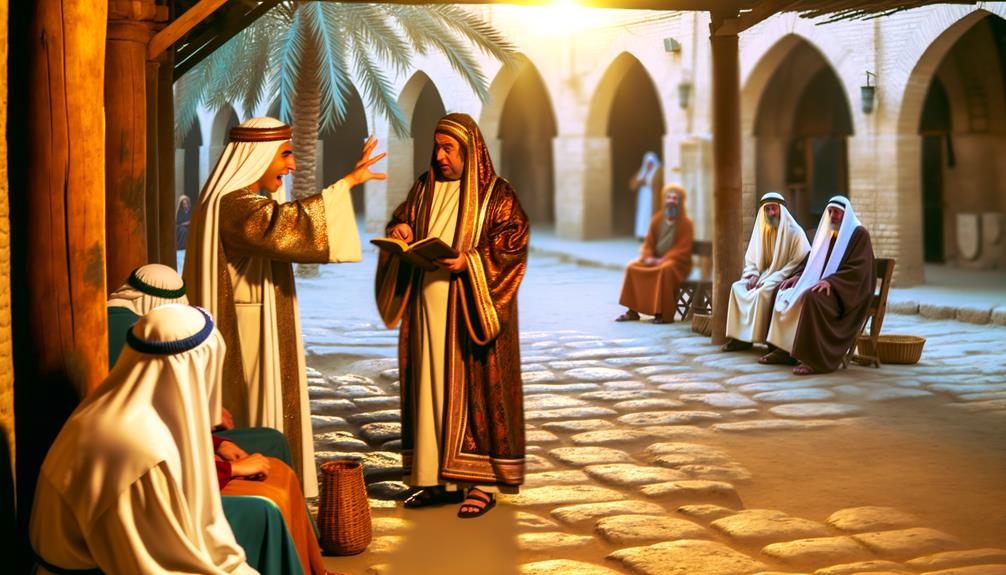
Numerous instances in the New Covenant illustrate how mockers continue to challenge the teachings of Christ and His apostles, underscoring the persistent threat of derision within the early Christian community. For example, during His crucifixion, Jesus endured mocking from onlookers and soldiers (Matthew 27:29-31). The Apostle Paul also faced scoffing from Athenian philosophers when he spoke of the resurrection (Acts 17:32). Additionally, the letter of Jude warns believers about mockers who follow ungodly desires (Jude 1:18). These examples highlight the enduring nature of mockery as a spiritual adversary.
| New Testament Example | Scriptural Reference |
|---|---|
| Mocking of Jesus | Matthew 27:29-31 |
| Scoffing at Paul’s preaching | Acts 17:32 |
| Warning by Jude | Jude 1:18 |
Characteristics of Mockers
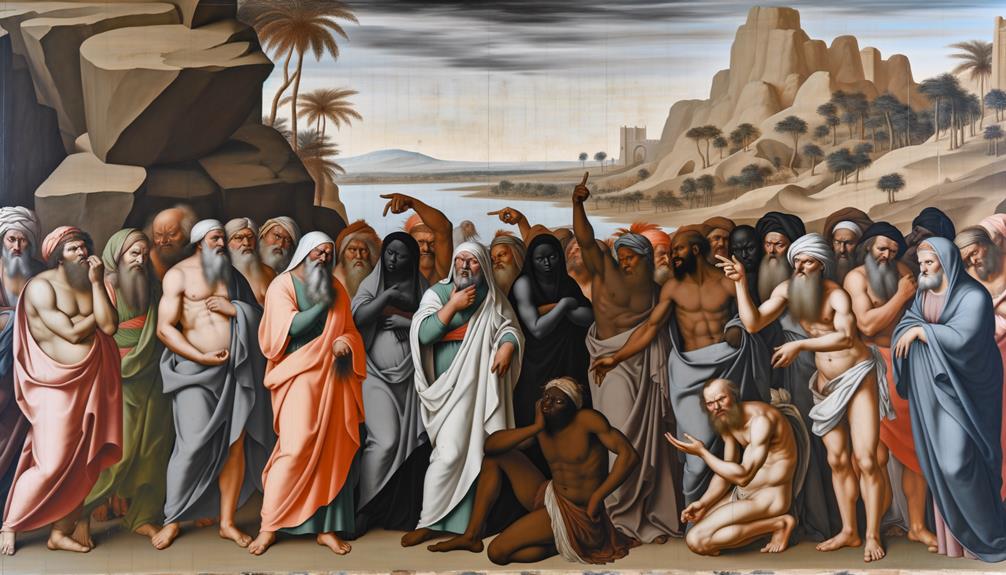
Mockers in the Bible are often characterized by their scornful behavior, pride, and rejection of divine wisdom, which sets them in direct opposition to the teachings and principles upheld by the faithful.
This scorn can be seen in their cynical attitude towards sacred truths and their tendency to ridicule those who adhere to godly instruction. Proverbs 21:24 describes a mocker as ‘proud and haughty,’ highlighting their arrogance and disdain.
They resist correction, as noted in Proverbs 9:7-8, where correcting a mocker results in insult and harm. Their rejection of divine wisdom places them in stark contrast to the wise, who fear the Lord and seek understanding.
Consequently, mockers embody a spirit of rebellion against divine authority.
Consequences of Mockery

The consequences of mockery in the biblical context are profound and multifaceted.
To begin with, divine displeasure is clearly articulated, as mockers are often depicted as those who stand opposed to God’s wisdom (Proverbs 3:34).
In addition, mockery leads to social isolation, alienating individuals from their communities (Proverbs 22:10).
Furthermore, it erodes moral character, fostering a disposition that is antithetical to righteousness (Proverbs 9:7-8).
Divine Displeasure Expressed
Scriptural accounts consistently illustrate that engaging in mockery incurs divine displeasure, which manifests in various forms of judgment and retribution.
Proverbs 3:34 states, “He mocks proud mockers but shows favor to the humble and oppressed.” This divine scorn is not merely emotional but entails tangible consequences.
For instance, 2 Kings 2:23-24 recounts how Elisha, mocked by youths, invoked divine wrath leading to their demise by bears.
Similarly, Isaiah 28:22 warns against mockery to avoid exacerbating God’s judgment. Such examples underscore the Biblical principle that mockery invites divine correction, emphasizing moral rectitude and reverence for the sacred.
The theological implication is clear: mockery disrupts divine order and incurs repercussions designed to restore righteousness.
Social Isolation Ensues
Engaging in mockery often results in social isolation, as it alienates individuals from their communities and disrupts harmonious relationships.
Scriptural wisdom, particularly in Proverbs 22:10, indicates, ‘Drive out a mocker, and out goes strife; quarrels and insults are ended.’ This suggests that mockery not only fosters discord but also necessitates the removal of the mocker to restore peace.
Theologically, this aligns with the biblical principle of maintaining unity and love within the community of believers.
Mockery undermines trust and respect, which are foundational to healthy interactions. Consequently, the mocker finds themselves ostracized, experiencing the profound consequences of their actions as they are distanced from communal support and fellowship, leading to profound social isolation.
Moral Character Impacted
Mockery fundamentally erodes one’s moral character, as it cultivates a disposition of cynicism and contempt that stands in stark contrast to the virtues extolled in biblical teachings.
Proverbs 21:24 explicitly states, ‘Proud and haughty scorner is his name, who dealeth in proud wrath,’ identifying mockery with arrogance and wrath.
The manifestation of such traits is antithetical to the fruits of the Spirit, such as love, kindness, and humility (Galatians 5:22-23).
This erosion of moral character leads to a hardened heart, making one less receptive to divine wisdom and compassion.
Consequently, mockery not only alienates individuals from their community but also distances them from their spiritual growth and relationship with God, thereby inviting divine disapproval and moral decay.
Wisdom Vs. Mockery

In the biblical context, wisdom is often portrayed as a divine attribute that leads to understanding and righteousness, while mockery is depicted as the antithesis, fostering foolishness and moral decay.
Wisdom, as imparted through sacred scripture, encourages:
- Discernment: The ability to judge well and navigate life’s complexities.
- Righteous living: Aligning one’s actions with God’s will, promoting moral integrity.
Mockery, conversely, undermines these virtues. It leads to:
- Foolishness: Disregarding sound judgment and embracing folly.
- Discord: Creating strife and division among individuals.
Thus, scriptural wisdom underscores the importance of choosing righteousness over mockery.
Proverbs on Mockers
The book of Proverbs offers profound insights on the nature and repercussions of mockery, highlighting the characteristics that define a mocker, the inevitable consequences of such behavior, and the wise response to mockers.
Proverbs identifies mockers as those who scorn wisdom and correction, often leading to social discord and personal downfall.
In contrast, wisdom advocates for a measured and discerning approach, underscoring the futility of engaging with mockers and the prudence in avoiding their folly.
Identifying the Mocker
Proverbs provides critical insights into the character and consequences of the mocker, often portraying them as individuals who scorn wisdom and reject correction.
By examining biblical texts, one can identify several distinguishing traits of mockers:
- Scornful Attitude: Proverbs 21:24 denotes the mocker as arrogant and haughty, revealing a deep-seated disdain for others.
- Resistance to Reproof: Proverbs 9:7-8 describes the mocker as unteachable, reacting with hostility to any form of correction.
These characteristics underscore a pattern of behavior antithetical to godly wisdom, setting the mocker apart as a disruptive and detrimental presence within the community.
Consequences of Mockery
Scriptural teachings in Proverbs elucidate the severe consequences awaiting those who engage in mockery, highlighting the divine disfavor and societal discord that such behavior inevitably incites.
Proverbs 9:7-8 warns that rebuking a mocker invites insult and hatred, illustrating that mockery fosters animosity rather than constructive dialogue.
Additionally, Proverbs 19:29 asserts that judgment and punishment are reserved for mockers, indicating divine retribution.
The societal impact is equally dire: Proverbs 22:10 advises the removal of mockers to end quarrels and strife, underscoring the disruptive nature of their actions.
Essentially, Proverbs delineates a clear theological and social framework where mockery not only alienates the individual from divine favor but also destabilizes communal harmony.
Wisdom’s Response to Mockers
In addressing the conduct of mockers, wisdom in the book of Proverbs advocates for a discerning and measured response that prioritizes correction and the pursuit of peace.
Proverbs 9:7-8 cautions against reproving a mocker, as it often leads to scorn, highlighting the futility of engaging with those who disdain wisdom. Conversely, Proverbs 15:12 notes that mockers do not seek wisdom willingly, reinforcing the need for a strategic approach.
- Proverbs 13:1: ‘A wise son heeds his father’s instruction, but a mocker does not respond to rebukes.’
- Proverbs 19:25: ‘Flog a mocker, and the simple will learn prudence; rebuke the discerning, and they will gain knowledge.’
Thus, wisdom underscores selective engagement and prudent correction.
Jesus on Mockery

Jesus’ teachings on mockery reveal profound insights into the ethical and spiritual dimensions of human conduct. In the Gospels, Jesus consistently admonishes those who scorn or ridicule others, emphasizing love, compassion, and humility.
For instance, in the Sermon on the Mount, He advises turning the other cheek (Matthew 5:39), promoting a response of grace rather than retaliation. Additionally, His rebuke of the Pharisees often includes condemnation of their hypocritical mockery (Matthew 23:27).
Jesus’ own experience of being mocked during His crucifixion (Mark 15:29-32) underscores the gravity of such actions, highlighting the contrast between human cruelty and divine forgiveness. His teachings and example call for a higher standard of interpersonal conduct, rooted in respect and empathy.
Lessons for Today

In addressing contemporary applications, understanding the biblical portrayal of mockery offers profound insights into the dichotomy between wisdom and foolishness, underscoring the importance of humility in learning.
Scriptural exhortations advocate for a posture that accepts constructive criticism, fostering spiritual growth and moral integrity.
These lessons highlight the enduring relevance of biblical principles in guiding ethical behavior and personal development today.
Wisdom Vs. Foolishness
The biblical dichotomy between wisdom and foolishness offers profound lessons for contemporary believers, emphasizing the moral and spiritual consequences of one’s choices.
Central to this discourse is the understanding that wisdom, often personified in Proverbs, leads to life, peace, and divine favor, while foolishness, marked by the mocker’s disdain for correction, results in ruin and estrangement from God.
This timeless wisdom provides:
- Guidance for ethical living: Proverbs 3:5-6 directs believers to trust in the Lord and shun their own understanding.
- Insight into character development: Proverbs 9:9 highlights the growth that comes from accepting reproof.
These scriptural principles remain essential in traversing life’s complexities.
Humility in Learning
Embracing humility in learning is pivotal for spiritual growth, as it aligns believers with the biblical mandate to seek wisdom and understanding. Proverbs 11:2 states, ‘When pride comes, then comes disgrace, but with humility comes wisdom,’ underscoring that humility is essential for acquiring true knowledge.
Scripture repeatedly warns against the perils of arrogance, indicating that pride blinds individuals to divine truths. Humility, conversely, opens the heart and mind to God’s teachings, fostering an environment where genuine learning can flourish.
This principle is not only a theological cornerstone but also a practical lesson for contemporary believers, encouraging them to approach learning and spiritual growth with an open, humble heart, thereby deepening their relationship with God.
Constructive Criticism’s Role
Constructive criticism, grounded in biblical principles, serves as an essential tool for spiritual and personal growth by fostering self-awareness and encouraging repentance.
Scripture emphasizes the importance of loving reproof, as seen in Proverbs 27:5-6, where open rebuke is considered more valuable than hidden love. This form of critique aims to edify rather than condemn, establishing a foundation for meaningful transformation.
- Proverbs 15:31: ‘The ear that listens to life-giving reproof will dwell among the wise.’
- Galatians 6:1: Encourages believers to restore others ‘in a spirit of gentleness.’
These verses underscore that constructive criticism, when delivered with love and wisdom, aligns with divine instruction.
Conclusion
Mockery in the Bible can be likened to a corrosive acid that erodes wisdom and righteousness.
Both Old and New Covenant scriptures consistently underscore the detrimental impact of mockers on individual and communal spiritual health.
The teachings of Proverbs and the words of Jesus illuminate the stark contrast between wisdom and mockery, urging adherence to divine wisdom.
Modern readers are consequently called to eschew mockery and embrace a life aligned with biblical principles of wisdom and respect.