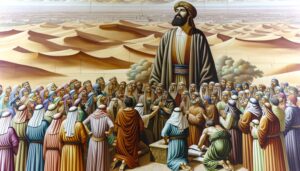
Similitude Meaning In The Bible: Divine Imagery
In biblical terminology, a similitude is a form of figurative language that elucidates spiritual truths through analogies and metaphors. Rooted in the Hebrew word ‘mashal’, similitudes are prevalent in both Old and New Scriptures and are essential for communicating divine concepts in relatable terms.
Jesus frequently used similitudes in his teachings, such as the Parable of the Sower (Matthew 13:3-9) and the Good Samaritan (Luke 10:25-37), to impart moral and spiritual lessons. Prophetic books also utilize similitudes, like Ezekiel’s vision of dry bones (Ezekiel 37:1-14), to represent God’s redemptive plans.
Exploring these instances offers intricate theological insights.

Key Takeaways
- Similitude in the Bible refers to figurative language that likens one thing to another to elucidate spiritual truths.
- It includes parables, metaphors, and allegories used by Jesus and prophets to convey deeper meanings.
- Examples include the Parable of the Sower, which explains receptivity to God’s word, and the Good Samaritan, which teaches love and compassion.
- Prophetic similitudes, like Ezekiel’s vision of dry bones, illustrate divine plans and messages.
Definition of Similitude

In biblical hermeneutics, the term ‘similitude’ refers to a form of figurative language where one thing is likened to another, often to elucidate spiritual truths or moral lessons through analogies and metaphors.
Rooted in the Hebrew term ‘mashal’, similitudes are prevalent in both the Old and New Scriptures. They serve to bridge the tangible and the divine, making complex theological concepts more accessible.
For instance, Hosea 12:10 highlights how God uses similitudes to communicate with His people.
Historically, these figurative expressions have been integral in rabbinic teachings and early Christian exegesis, fostering a deeper understanding of divine principles.
Biblical Examples of Similitudes

In examining Biblical examples of similitudes, we find that parables, such as those recounted in the Gospels, serve as profound illustrations of spiritual truths.
Prophetic symbolism, particularly in the books of Isaiah and Ezekiel, often employs similitudes to convey divine messages.
Additionally, Jesus’ teaching methods frequently included similitudes to make complex theological concepts accessible to His audience (Matthew 13:34).
Parables and Similitudes
Numerous parables and similitudes in the Bible serve as didactic tools, illustrating spiritual truths and moral lessons through relatable and symbolic narratives.
Jesus Christ, renowned for His parabolic teaching method, employed similitudes extensively. For instance, the Parable of the Sower (Matthew 13:3-9) metaphorically addresses the receptivity of human hearts to God’s word.
The Good Samaritan (Luke 10:30-37) exemplifies love and mercy beyond ethnic boundaries, challenging societal norms. Likewise, the similitude of the Mustard Seed (Matthew 13:31-32) symbolizes the Kingdom of Heaven’s modest beginnings and expansive growth.
These narrative forms, deeply rooted in historical and cultural contexts, provide profound insights, inviting contemplation and spiritual reflection, consequently enhancing scriptural understanding.
Prophetic Symbolism Examples
Several prophetic books within the Bible employ vivid similitudes, such as Ezekiel’s vision of the valley of dry bones (Ezekiel 37:1-14), to convey divine messages and eschatological themes. This vision symbolizes the restoration of Israel, portraying resurrection and renewal through the breath of God.
Similarly, Jeremiah’s use of a potter shaping clay (Jeremiah 18:1-6) illustrates God’s sovereign control over nations and individuals.
Hosea’s marriage to Gomer (Hosea 1-3) represents God’s enduring love for Israel despite its infidelity.
These prophetic similitudes are rich in theological depth, reflecting God’s redemptive plans and the ultimate fulfillment of His promises.
Understanding these symbols within their historical and scriptural contexts enriches the comprehension of biblical prophecy.
Jesus’ Teaching Methods
Building upon the rich tradition of prophetic symbolism, Jesus frequently employed similitudes in His teachings to elucidate complex spiritual truths, as seen in His parables and metaphors throughout the Gospels.
For instance, the Parable of the Sower (Matthew 13:1-23) uses agricultural imagery to convey the varied reception of God’s Word among different types of hearts.
Similarly, the Parable of the Good Samaritan (Luke 10:25-37) employs a narrative to illustrate love and compassion transcending societal boundaries.
These similitudes were rooted in the Jewish rabbinic tradition, allowing Jesus to connect with His audience through familiar concepts while revealing deeper theological insights.
Consequently, His use of similitudes served as a bridge between the natural and the divine.
Similitudes in Parables

In the context of biblical literature, similitudes in parables serve as profound teaching tools, encapsulating spiritual truths through relatable earthly narratives.
Jesus employed this method extensively, as seen in the Gospels. For instance, in Matthew 13:31-32, the kingdom of heaven is likened to a mustard seed—small yet growing into the largest of garden plants. This similitude illustrates the kingdom’s humble beginnings and its expansive impact.
Historically, parables were a common rabbinic teaching method, making complex divine principles accessible to ordinary people. Through these vivid, everyday scenarios, Jesus conveyed deeper moral and theological lessons, fostering both reflection and comprehension among His listeners.
The use of similitudes hence bridges the divine and human, enhancing scriptural engagement and spiritual growth.
Metaphors as Similitudes

Metaphors in the Bible often function as powerful similitudes, encapsulating complex spiritual truths within familiar imagery.
For example, in John 15:5, Jesus proclaims, ‘I am the vine, you are the branches,’ illustrating the essential connection between believers and Christ.
Such metaphors, rich in symbolism, are prevalent in parables, offering layers of meaning that resonate through historical and theological contexts.
Biblical Metaphor Examples
Biblical metaphors, often referred to as similitudes, serve as profound theological tools that illuminate spiritual truths through vivid and relatable imagery, such as when Jesus describes Himself as the ‘Good Shepherd‘ in John 10:11.
This metaphor, rooted in ancient pastoral practices, depicts Jesus as the protector and caretaker of His flock, emphasizing His sacrificial love.
Similarly, in Isaiah 64:8, the prophet likens God to a potter and humanity to clay, illustrating divine sovereignty and the transformative process of sanctification.
These metaphors, deeply embedded in the cultural and historical context of biblical times, transcend their immediate surroundings to convey timeless truths, offering believers a profound understanding of divine nature and human relationship with the Creator.
Symbolism in Parables
Expanding upon the profound use of metaphors, parables in the Bible employ symbolism as a powerful tool to convey deep spiritual and moral lessons, with Jesus’ parables being prime examples of this technique.
For instance, in the Parable of the Sower (Matthew 13:3-9, 18-23), seeds represent the Word of God, and the varied soils symbolize different responses to His message. Historically, these stories resonated with agrarian societies, making spiritual truths accessible.
Similarly, the Parable of the Good Samaritan (Luke 10:25-37) uses characters as metaphors for love and compassion beyond ethnic boundaries.
These rich, symbolic narratives transcend time, inviting contemporary readers to explore the manifold layers of divine wisdom and ethical instruction embedded within biblical text.
Allegories in Scripture

Throughout the Bible, allegories serve as profound vehicles for conveying spiritual truths, often embedding deeper theological meanings within seemingly simple narratives. For instance, the allegory of the Vine and the Branches (John 15:1-8) symbolizes the intimate relationship between Christ and believers. Similarly, Paul’s allegory of Hagar and Sarah (Galatians 4:21-31) elucidates the dichotomy between the Old and New Covenants. These rich narratives not only provide doctrinal clarity but also foster a deeper spiritual understanding.
| Scriptural Reference | Allegory | Theological Significance |
|---|---|---|
| John 15:1-8 | Vine and Branches | Union with Christ |
| Galatians 4:21-31 | Hagar and Sarah | Old vs. New Covenant |
| Ezekiel 16:1-63 | Unfaithful Jerusalem | Israel’s Infidelity |
| Psalm 80:8-19 | Vine out of Egypt | Israel’s Growth and Decline |
| Isaiah 5:1-7 | Vineyard of the Lord | Judgment and Redemption |
Jesus’ Use of Similitudes

In His teachings, Jesus frequently employed similitudes to illuminate complex spiritual truths, drawing from everyday experiences to reveal deeper theological insights.
For instance, in Matthew 13:31-32, He likens the Kingdom of Heaven to a mustard seed, illustrating how something seemingly insignificant can grow into greatness.
Similarly, the parable of the Good Samaritan (Luke 10:30-37) uses the familiar context of travel and human interaction to expound on the concept of neighborly love and mercy.
By employing these everyday images, Jesus made profound theological concepts accessible to His audience, bridging the gap between the divine and the mundane.
This method not only engaged His listeners but also guaranteed the longevity and relatability of His teachings across generations.
Old Testament Similitudes

Just as Jesus utilized similitudes in the New Covenant, the Old Scriptures is replete with metaphorical language and parables that convey divine truths, such as the allegory of the vineyard in Isaiah 5:1-7, which symbolizes Israel’s relationship with God.
These rich similitudes reveal:
- Moral Lessons: Proverbs often employ metaphors to teach ethical behavior and wisdom (Proverbs 6:6-11).
- Covenantal Relationships: Hosea’s marriage allegory (Hosea 1-3) illustrates Israel’s unfaithfulness and God’s enduring love.
- Divine Judgment: Ezekiel’s parable of the two eagles and the vine (Ezekiel 17) underscores the consequences of disobedience.
These Old Scriptures similitudes serve as timeless vehicles for theological insight, shaping the spiritual and moral framework of the faithful.
Similitudes in Prophetic Books

Prophetic books in the Bible often utilize similitudes to communicate God’s messages, offering profound spiritual insights and forewarnings through vivid imagery and symbolic narratives.
For instance, in Hosea 12:10, God declares, ‘I have also spoken by the prophets, and I have multiplied visions, and used similitudes, by the ministry of the prophets.’
These similitudes, such as Ezekiel’s vision of dry bones (Ezekiel 37:1-14), serve to illustrate spiritual truths and divine intentions within historical contexts.
Jeremiah’s comparison of Israel to a clay pot in the hands of a potter (Jeremiah 18:1-6) underscores God’s sovereign shaping of nations.
Understanding these prophetic similitudes demands an appreciation of their historical settings and theological implications, revealing deeper layers of meaning in God’s revelations.
Spiritual Lessons From Similitudes

Similitudes in the Bible are not merely illustrative devices but serve as profound instruments for imparting spiritual lessons that transcend their historical contexts and reveal timeless divine principles.
These analogies offer deep insights into the nature of God, human behavior, and moral imperatives. For instance, consider the following:
- The Potter and the Clay (Jeremiah 18:1-6): Demonstrates God’s sovereignty and our need for submission.
- The Good Shepherd (John 10:11-15): Illustrates Christ’s sacrificial love and guidance.
- The Vine and the Branches (John 15:1-8): Emphasizes the necessity of spiritual union with Christ for fruitful living.
Through these similitudes, biblical narratives unfold rich theological truths that continue to inspire and instruct believers across generations.
Conclusion
To sum up, similitudes in the Bible serve as profound instruments for spiritual teaching, theological reflection, and moral instruction.
They manifest through parables, metaphors, and allegories, illustrating divine truths and ethical principles.
From Jesus’ poignant parables to the rich imagery in prophetic books, these literary devices bridge the temporal and the eternal, the earthly and the heavenly, the seen and the unseen.
Understanding similitudes enriches biblical interpretation, deepens theological insight, and enhances spiritual growth.