
Meaning Of 80 In The Bible: Strength and Maturity
In the Bible, the number 80 symbolizes significant generational changes, spiritual renewal, and divine fulfillment. Moses, pivotal at 80, begins leading the Israelites, signifying maturity and divine appointment (Exodus 7:7).
Caleb, at 80, claims his inheritance in the Promised Land (Joshua 14:10-12). Periods of waiting and transformation are marked, such as Israel’s cycles of renewal (Judges 3:30).
Theological themes emphasize readiness for God’s call, even late in life. Psalm 90:10 reflects life’s brevity, often around 80 years, underscoring the importance of late-life callings.
For a richer understanding, exploring further brings more insights into this profound symbolism.

Key Takeaways
- Age 80 symbolizes significant generational shifts and divine appointments, notably seen in Moses’ life (Exodus 7:7).
- It represents the culmination of divine promises, emphasizing trust in God’s faithfulness (Genesis 21:5).
- Age 80 marks times of transition and readiness for significant divine roles, as demonstrated by Moses’ leadership (Exodus 3:1-2).
- It reflects periods of spiritual formation and divine preparation, often associated with waiting and transformation (Numbers 14:33-34).
Lifespan of Moses

Moses, a central figure in biblical history, lived to the age of 120 years, with his life segmented into three distinct 40-year periods, each marked by significant events and divine interventions (Deuteronomy 34:7).
His first 40 years were spent as an Egyptian prince, educated in all the wisdom of Egypt (Acts 7:22).
The subsequent 40 years saw him in Midian, where he encountered the burning bush and received his divine mission (Exodus 3).
The final 40 years involved leading the Israelites through the wilderness, culminating in the delivery of the Law at Mount Sinai (Exodus 19).
This tripartite structure underscores Moses’ unique role as a prophet, lawgiver, and leader, deeply intertwined with God’s salvific plan for Israel.
Periods of Waiting

In the biblical narrative, periods of waiting often serve as profound phases of spiritual formation and divine preparation, as exemplified by the Israelites’ 40-year sojourn in the wilderness (Numbers 14:33-34).
Such intervals are not merely passive; rather, they are active times of growth and learning.
Moses, who was 80 years old when he led the Israelites out of Egypt (Exodus 7:7), underwent his own period of divine preparation during the 40 years he spent in Midian (Acts 7:29-30).
These waiting periods underscore a recurring theme: God’s timing is perfect, and His purpose is often revealed through patience and endurance.
This theological principle invites believers to trust in divine providence, even when immediate answers are not forthcoming.
Symbolic Generations
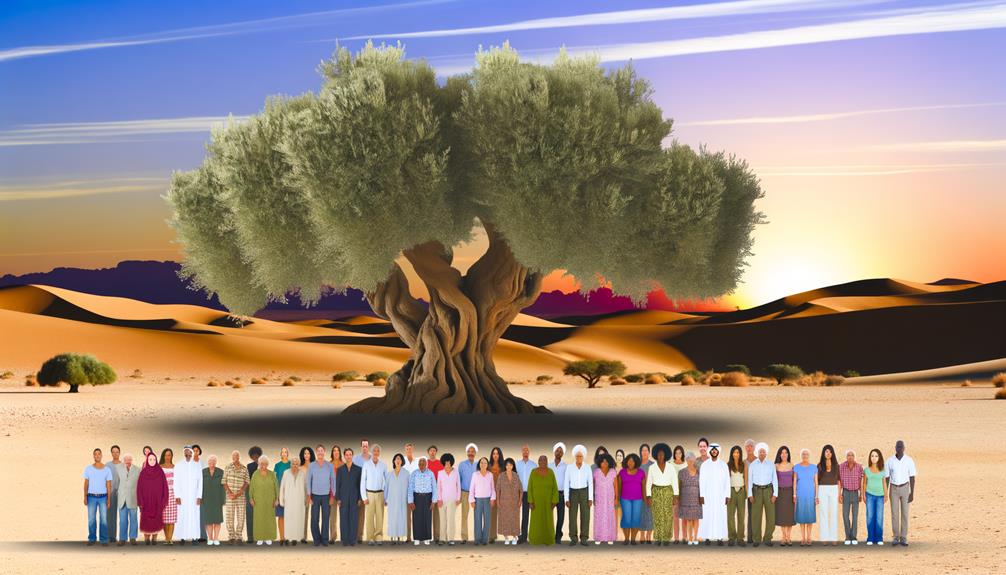
The number 80 holds significant generational symbolism in the Bible, particularly evident in Moses’ leadership shift at the age of 80 (Exodus 7:7), marking a pivotal period for Israel.
This generational theme extends to Israel’s history, where periods of 40 and 80 years often signify times of profound change and renewal (Judges 3:11, 1 Kings 6:1).
Additionally, the generational implications of 80 years find resonance in prophetic literature, emphasizing cycles of judgment and restoration (Daniel 9:24-27).
Moses’ Leadership Transition
Moses’ leadership change at the age of 80, marked by the symbolic passing of generational wisdom, holds profound theological significance as evidenced in Numbers 27:18-23 and Deuteronomy 31:1-8.
In Numbers, God commands Moses to lay his hands upon Joshua, signifying the transfer of spiritual authority and continuity of divine guidance.
Deuteronomy underscores Moses’ reassurance to Israel that Joshua would lead them into the Promised Land, emphasizing God’s unwavering presence.
This shift not only signifies the end of an era but also the birth of a new leadership paradigm.
The age of 80 consequently becomes emblematic of maturity, readiness, and divine appointment, underscoring the sacred rhythm of generational shifts within the biblical narrative.
Israel’s Periods of Change
Throughout Israel’s history, periods of change often align with symbolic generational markers that reflect divine timing and covenantal dynamics, as illustrated in passages such as Genesis 15:13-16 and Judges 2:10.
These generational shifts often signify God’s unfolding plan for His chosen people. Genesis 15:13-16 foretells Israel’s 400-year sojourn and eventual deliverance, emphasizing the significance of generational timelines. Similarly, Judges 2:10 highlights the shift after Joshua’s death, marking a new generation unaware of God’s works.
The number 80, representing a doubled period of testing or renewal, underscores these transformative epochs. Therefore, Israel’s history demonstrates how divine orchestration uses generational markers to fulfill covenantal promises and guide the nation through pivotal changes.
Generational Significance in Prophecy
In the prophetic literature of the Bible, symbolic generations often serve as frameworks for understanding God’s historical and eschatological purposes, as seen in passages like Daniel 9:24-27 and Matthew 24:34. These texts underscore the importance of defined time periods in divine plans.
In Daniel, the ‘seventy weeks‘ prophecy encompasses seventy symbolic generations, predicting key events in Israel’s future. Similarly, Jesus’ reference to ‘this generation’ in Matthew 24:34 ties the fulfillment of eschatological signs to a specific, symbolic timeframe.
The number 80, representing a full generation cycle in some interpretations, reflects themes of completeness and divine orchestration in history.
Understanding these symbolic generations aids in grasping the Bible’s overarching narrative of redemption and prophecy.
Times of Transition

Amidst the pivotal moments of biblical history, the age of 80 often symbolizes a significant period of transformation and divine intervention.
For instance, Moses was 80 years old when God called him from the burning bush to lead the Israelites out of Egypt (Exodus 7:7). This age marks an essential change from his life in Midian to becoming a prophet and leader.
Similarly, Caleb, at 80, claimed his inheritance in the Promised Land, embodying faith and perseverance (Joshua 14:10).
These instances reveal that 80 signifies not merely an age but a divine turning point, where God empowers individuals to fulfill His purposes, ushering in new epochs of spiritual and communal change within the biblical narrative.
Spiritual Renewal

The age of 80 in the Bible frequently heralds a profound moment of spiritual renewal, where individuals experience a rejuvenation of faith and purpose, as seen in the lives of Moses and Caleb.
At 80, Moses encountered God in the burning bush (Exodus 3:1-2), initiating his mission to lead Israel out of Egypt.
Caleb, at 85, declared his unwavering strength and faith, ready to conquer Hebron (Joshua 14:10-12).
These narratives underscore the significance of 80 as a period of divine empowerment and spiritual resurgence.
- Moses’ Encounter: A transformative experience leading to the Exodus.
- Caleb’s Declaration: A proof of enduring faith and vigor.
These instances reveal God’s capacity to renew and empower at any age.
Covenant and Promise

Covenant and promise in the Bible often intertwine with the age of 80, illustrating a divine assurance and fulfillment of God’s long-term plans through figures such as Moses and Abraham.
At the age of 80, Moses was called by God to lead the Israelites out of Egypt, as detailed in Exodus 7:7. This marked the initiation of a covenant that shaped Israel’s destiny.
Similarly, Abraham, though not explicitly mentioned at 80, embodies divine promise and covenant through the birth of Isaac in his old age (Genesis 21:5), emphasizing God’s faithfulness.
These narratives underscore that age 80 symbolizes the culmination of divine promises, reinforcing themes of trust and divine orchestration in biblical theology.
Historical Significance

How does the age of 80, as seen in the lives of biblical figures, reflect its historical significance within the context of divine leadership and the unfolding of God’s plans?
The age of 80 is especially significant in the lives of Moses and Aaron. Moses, at 80 years old, received God’s call to lead the Israelites out of Egypt (Exodus 7:7). This age marks a period of divine empowerment and leadership.
- Moses: His commissioning at 80 underscores a divine timeline for leadership.
- Aaron: At 83, he supports Moses, highlighting familial roles in divine missions.
These examples illustrate that reaching 80 symbolizes readiness for significant divine tasks.
Prophetic Implications

In biblical prophecy, the age of 80 often signifies a period of fulfillment and divine intervention, exemplifying the culmination of God’s promises and the initiation of pivotal events.
Moses, called by God at age 80 to lead the Israelites out of Egypt (Exodus 7:7), epitomizes this prophetic milestone. This age marks a shift from preparation to action, reflecting divine timing in historical contexts.
Psalm 90:10 underscores human life’s brevity and significance, often ending around 80 years.
Additionally, Israel’s 80-year cycles of peace and oppression in Judges (Judges 3:30, 5:31) illustrate a pattern of renewal and divine deliverance.
Consequently, 80 in prophecy underscores God’s orchestration of redemptive history, aligning human timelines with divine purposes.
Conclusion
The number 80 in the Bible transcends mere numerical significance, intricately woven into the fabric of scriptural narratives and theological constructs.
From the lifespan of Moses (Deuteronomy 34:7) and periods of waiting (Exodus 7:7), to symbolic generations and times of change (Psalm 90:10), its recurrence underscores spiritual renewal, covenant, and prophetic fulfillment.
This convergence of historical and spiritual dimensions reveals a divine coherence, illuminating 80’s role as a harbinger of divine purpose and transformative epochs.