
Meaning Of Gog In The Bible: Prophecy and Opposition
In the Bible, Gog is depicted as a significant adversary, primarily in the prophetic and eschatological contexts found in the books of Ezekiel and Revelation. In Ezekiel, Gog is the leader of a coalition against Israel, symbolizing ultimate opposition to God and His divine plan.
Revelation positions Gog in a final apocalyptic battle alongside agents of Satan, embodying the climax of cosmic and spiritual conflict. This character’s portrayal serves as a critical focal point for understanding themes of divine judgment, sovereignty, and ultimate restoration.
Delving deeper into these narratives reveals intricate layers of theological and historical significance.
Key Takeaways
- Gog is depicted as a leader of a coalition of nations against Israel in Ezekiel 38-39.
- In Revelation 20, Gog represents forces of evil in a final apocalyptic battle against divine authority.
- Gog symbolizes ultimate opposition to God’s sovereignty and divine plan in biblical prophecies.
- Theological interpretations of Gog range from historical figures to allegorical representations of chaos and evil.
Biblical References to Gog
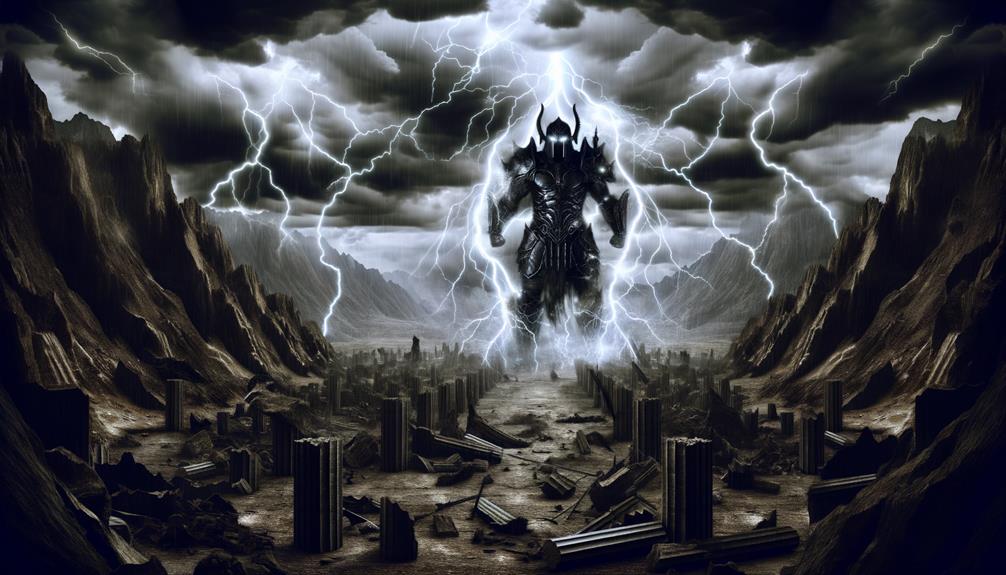
The enigmatic figure of Gog appears prominently in the biblical texts of Ezekiel 38-39 and Revelation 20, where he is portrayed as a leader of a coalition of nations in eschatological prophecies.
In Ezekiel, Gog is depicted as a formidable adversary from the land of Magog, poised to launch an invasion against Israel, symbolizing a climactic battle between good and evil.
Revelation 20 echoes this portrayal, positioning Gog, alongside Magog, in a final, apocalyptic confrontation after the millennium.
These scriptural references to Gog have sparked extensive theological discourse, with interpretations ranging from literal historical figures to symbolic representations of ultimate opposition against divine sovereignty.
Understanding these passages is essential for grasping the broader eschatological themes within biblical prophecy.
Historical Context of Gog

Contextual analysis of Gog necessitates an examination of the geopolitical and cultural milieu of the ancient Near East, where shifting alliances and recurring conflicts were a constant backdrop.
The historical context of Gog is entwined with the tumultuous landscape dominated by empires such as Assyria, Babylon, and Persia, which frequently engaged in territorial conquests and power struggles.
Gog, often depicted as a leader or nation, represents these dynamic and often antagonistic forces.
Additionally, the identification of Gog might be influenced by the interplay between nomadic tribes and established city-states, which added layers of complexity to regional stability.
Understanding this intricate environment is essential for comprehending the multifaceted nature of Gog as depicted in biblical narratives.
Prophecies Involving Gog
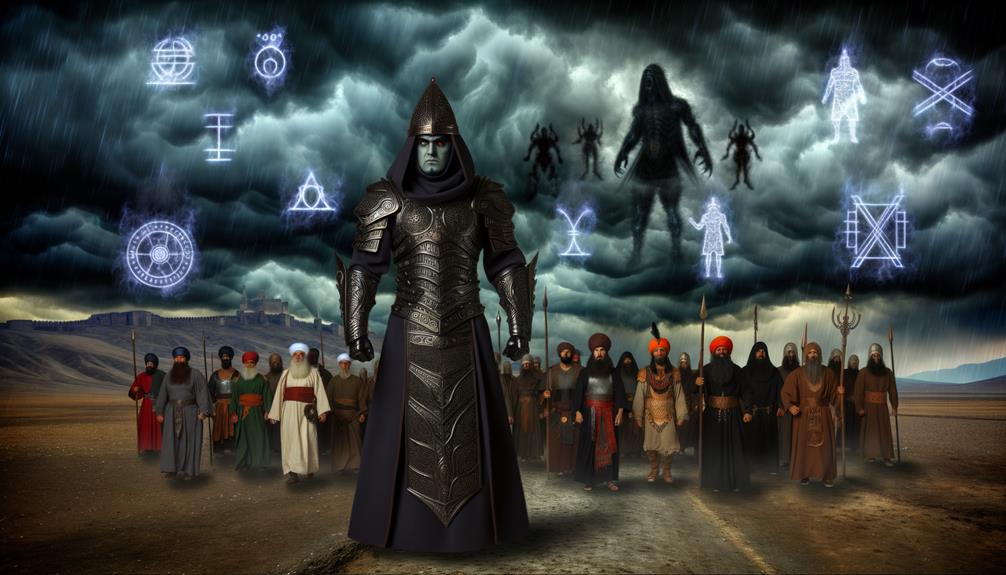
In the biblical canon, prophecies involving Gog primarily appear in the Book of Ezekiel, where they serve as apocalyptic visions foretelling a climactic battle between divine forces and earthly adversaries. These prophecies depict Gog as a leader of a coalition of nations that will rise against Israel, symbolizing ultimate opposition to God’s divine plan. The eschatological significance of these prophecies lies in their portrayal of divine judgment and the eventual triumph of divine order over chaos.
| Aspect | Description | Significance |
|---|---|---|
| Gog’s Identity | Coalition leader against Israel | Symbol of ultimate opposition |
| Battle Prophecies | Apocalyptic conflict | Foretells divine judgment |
| Eschatological Role | Instrument of divine intervention | Guarantees eventual triumph of divine order |
These visions underscore the theological narrative of divine sovereignty and justice.
Gog in Ezekiel

Ezekiel’s prophecies present Gog as a formidable antagonist whose impending invasion serves as a pivotal narrative in the overarching theme of divine retribution and salvation.
In Ezekiel 38-39, Gog, from the land of Magog, is depicted as leading a coalition against Israel. This eschatological battle is not merely a historical event but a symbolic representation of ultimate cosmic conflict.
Gog’s assault is met with divine intervention, showcasing Yahweh’s sovereignty and protective power over His people. The ensuing destruction of Gog and his forces underscores the futility of opposing divine will.
Ezekiel’s portrayal of Gog consequently serves a dual purpose: it warns against hubris and reassures the faithful of divine deliverance, encapsulating the prophet’s message of judgment and hope.
Gog in Revelation

The Book of Revelation reintroduces Gog in a climactic vision, framing him as a central figure in the apocalyptic struggle between good and evil.
Revelation 20:7-8 depicts Gog and Magog as agents of Satan, emerging after a millennium of peace to wage war against the saints and the beloved city. This eschatological narrative symbolizes the final confrontation, underscoring the ultimate defeat of malevolent forces before the establishment of divine order.
Gog’s reappearance in Revelation links back to Ezekiel’s prophecy, yet amplifies the scope to a cosmic scale. The text implies that the rebellion led by Gog is not merely historical but also a timeless allegory for the persistent battle against sin and chaos in the divine plan.
Interpretations of Gog

Scholars and theologians have long debated the multifaceted interpretations of Gog, examining his identity and role through historical, allegorical, and eschatological lenses.
Historically, Gog is often linked to ancient nations or figures that opposed Israel, reflecting geopolitical realities of the time.
Allegorical interpretations suggest Gog symbolizes broader principles of evil and opposition to divine order, transcending specific historical contexts.
Eschatologically, Gog is viewed as a key player in end-time prophecies, representing the ultimate adversary in the climactic battle between good and evil.
- Historical Context: Potential associations with specific ancient nations or leaders.
- Allegorical Perspective: Representation of evil and chaos.
Such interpretations offer a nuanced understanding of Gog’s significance.
Symbolism of Gog

The symbolism of Gog in the Bible is intricately linked to prophetic references and apocalyptic imagery, serving as a representation of ultimate opposition to divine authority.
Gog’s depiction in Ezekiel and Revelation embodies the culmination of eschatological conflicts, emphasizing themes of cosmic struggle and eventual divine triumph.
This symbolic portrayal underscores the theological narrative of ultimate judgment and restoration within the biblical canon.
Prophetic Biblical References
In examining the prophetic biblical references, Gog emerges as a symbol of eschatological conflict and divine judgment. This figure, primarily known from Ezekiel 38-39 and Revelation 20:8, serves as an archetype of ultimate opposition against God’s people, embodying the pervasive struggle between good and evil.
The narrative of Gog underscores several critical themes:
- Divine Sovereignty: God’s supreme power in orchestrating and resolving cosmic battles.
- Judgment Day: The inevitable reckoning and punishment of malevolent forces.
These elements illustrate Gog’s role not merely as an antagonist but as a pivotal catalyst in the divine plan, reinforcing theological doctrines concerning the end times and the ultimate triumph of divine justice.
Apocalyptic Imagery Significance
Harnessing rich apocalyptic imagery, the figure of Gog encapsulates profound symbolic meanings that illuminate the cosmic struggle between divine forces and evil.
In biblical literature, particularly in Ezekiel and Revelation, Gog represents not merely a geopolitical entity but an eschatological adversary. This adversary’s depiction serves to underscore the ultimate triumph of divine justice over chaos and malevolence.
The imagery surrounding Gog, often accompanied by cataclysmic events and divine retribution, highlights the impending culmination of divine plans. Consequently, Gog’s role transcends historical confines, embodying the archetypal foe in the grand narrative of spiritual warfare.
This symbolic representation aids believers in comprehending the inevitable victory of righteousness, reinforcing faith in divine sovereignty and the eventual restoration of cosmic order.
Conclusion
In examining the enigmatic figure of Gog, one traverses through layers of biblical references, historical contexts, and prophetic literature.
From Ezekiel’s vivid descriptions to the apocalyptic visions in Revelation, Gog emerges as a symbol of eschatological conflict.
Scholars continue to debate its precise meaning, reflecting a spectrum of interpretations.
The ultimate significance of Gog remains tantalizingly elusive, leaving one to ponder: could future revelations unfasten the definitive understanding of this cryptic biblical figure?