
The 11th Hour Meaning in the Bible: Last-Minute Grace
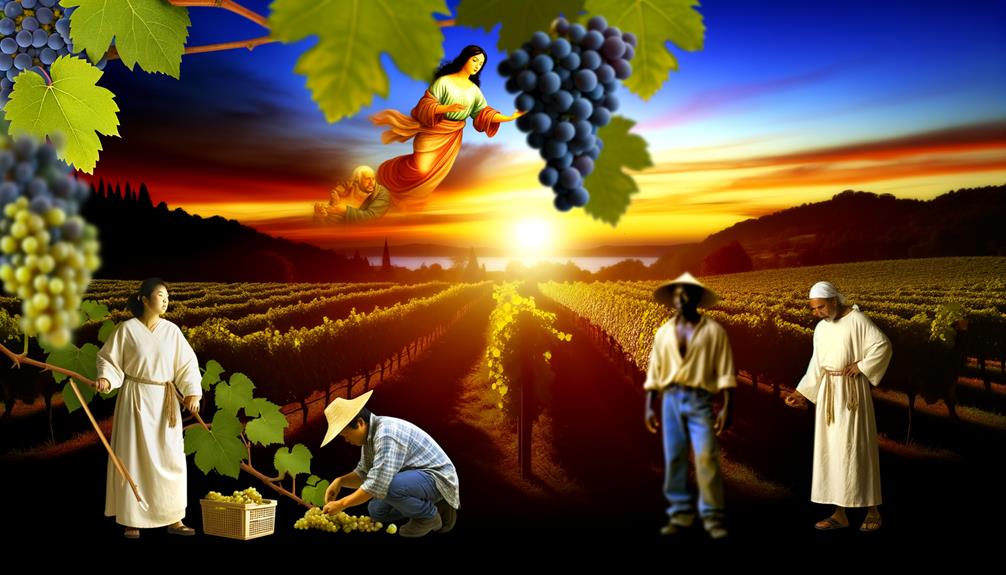
In the Bible, the term ‘11th hour‘ primarily emerges from the Parable of the Workers in Matthew 20:1-16. It embodies the urgency of repentance and highlights the encompassing nature of divine grace.
In this parable, laborers hired at the last hour receive the same reward as those who labored all day, challenging human notions of fairness and emphasizing God’s sovereign generosity. This narrative serves as a potent reminder of the transient nature of life and calls for spiritual readiness and humility.
Indeed, it encapsulates the inclusivity of God’s grace and the ever-present opportunity for redemption until the final moment. To gain further insight into this profound concept, explore its deeper theological and eschatological implications discussed within scriptural context.
Key Takeaways
- The ’11th hour’ in the Bible refers to God’s generosity and the equal reward given to latecomers in Matthew 20:1-16.
- It emphasizes divine grace, showing that salvation and repentance are accessible until the last moment.
- The parable highlights the inclusivity of God’s love, transcending human notions of fairness.
- It illustrates the urgency for timely spiritual preparedness and repentance before life’s end.
The Parable of the Workers

In the Parable of the Workers, found in Matthew 20:1-16, Jesus illustrates the principles of divine grace and justice through the story of a landowner who hires laborers at different times of the day but rewards them equally.
This narrative challenges conventional notions of fairness, emphasizing that God’s generosity transcends human merit. The landowner’s actions symbolize God’s sovereign right to bestow grace regardless of human timelines or efforts.
By rewarding the last-hired laborers the same as the first, the parable underscores the boundless nature of divine compassion and the inclusivity of God’s kingdom.
This profound lesson invites believers to reflect on the nature of grace and encourages a humble acceptance of God’s will and timing.
Biblical Context and Analysis

The phrase ‘the 11th hour’ in the Bible carries significant theological and eschatological implications, warranting a thorough examination of its scriptural context and its application in Christian doctrine.
Originating from Matthew 20:1-16, the term underscores a profound message about divine grace and the kingdom of heaven. This parable, often referred to as the Parable of the Workers in the Vineyard, illustrates several key elements:
- Divine Grace: God’s generosity transcends human notions of fairness and merit.
- Inclusivity of the Kingdom: Latecomers to the faith receive the same reward as those who have long labored.
Themes of Urgency and Redemption

Emphasizing the critical need for timely repentance, the theme of urgency in the ’11th hour’ narrative underscores the pressing call to embrace redemption before the final judgment.
This biblical concept illustrates that the opportunity for salvation is finite, urging individuals to act without delay.
In Matthew 20:1-16, the parable of the laborers in the vineyard vividly depicts this urgency, where even those who come at the last hour receive the same reward.
The motif conveys the transient nature of earthly life and the importance of immediate spiritual preparedness.
This urgency is not merely about avoiding punishment but about the profound transformation and renewal that redemption offers, highlighting the merciful yet imminent call to spiritual awakening.
Divine Grace at the Last Moment

Divine grace manifests profoundly in the biblical narrative of the 11th hour, exemplifying the boundless mercy available even at the final moments of one’s spiritual journey. This concept is vividly portrayed in the Parable of the Workers in the Vineyard (Matthew 20:1-16), where laborers hired at the last hour receive the same wage as those who toiled all day.
This parable underscores that:
- God’s mercy transcends human notions of fairness: Divine grace is not earned but granted freely.
- Repentance and salvation are accessible until the very end: Even the latest of conversions is met with divine acceptance.
Through this lens, divine grace is both a profound mystery and an eternal promise.
Contemporary Applications

In modern contexts, the concept of the 11th hour continues to resonate deeply, offering profound insights into the nature of grace, redemption, and inclusivity within contemporary spiritual and ethical frameworks.
This metaphorical last-minute opportunity underscores the belief that it is never too late to seek transformation or divine intervention, embodying the essence of hope and second chances.
It challenges societal norms by promoting the idea that latecomers to faith or moral awakening are equally deserving of compassion and acceptance.
In ethical discourse, the 11th hour serves as a call for immediate action in addressing urgent global issues, such as climate change and social justice, urging humanity to act decisively before it is too late.
Conclusion
The parable of the workers at the eleventh hour illuminates themes of divine grace and urgency within the biblical context.
This narrative underscores the boundless generosity of the divine, offering redemption even at the final moments.
The metaphor of the eleventh hour serves as a poignant reminder that it is never too late for grace and salvation.
Contemporary applications of this parable emphasize the enduring relevance of its message, encouraging a life aligned with spiritual readiness and humility.