Convert Meaning in the Bible: Spiritual Transformation
In biblical context, ‘convert’ represents a profound transformation marked by heartfelt repentance and unwavering commitment to follow God’s ways. The Hebrew ‘shub’ emphasizes a return to God, while the Greek ‘metanoia’ highlights a change in mind and heart.
Old Covenant conversions, such as Abraham’s journey from Ur and Moses’ encounter at the burning bush, signify pivotal faith shifts. New Covenant accounts like Saul’s dramatic conversion on the road to Damascus further illustrate this profound change.
Conversion transcends intellectual assent, involving deep spiritual renewal and alignment with God’s will. This rich tapestry of faith changes invites deeper exploration of its theological and historical layers.

Key Takeaways
- Conversion in the Bible involves a profound transformation of beliefs and actions, aligning one’s life with God’s will.
- The Hebrew term ‘shub’ signifies returning to God, while Greek ‘metanoia’ emphasizes a change of mind and heart.
- Biblical conversion requires genuine repentance and steadfast faith for spiritual renewal and transformation.
- Old and New Testament conversions illustrate personal and communal commitments to God’s covenant and teachings.
Biblical Definition of Convert

The biblical definition of ‘convert’ encompasses a profound transformation of one’s beliefs and actions, often signified by a heartfelt repentance and a commitment to follow God’s ways.
This concept, rooted in both the Hebrew and Greek scriptures, implies a radical reorientation of life towards divine principles.
The Hebrew term ‘shub’ conveys returning or turning back to God, while the Greek ‘metanoia’ emphasizes a change of mind and heart.
Scripturally, conversion is not merely an intellectual assent but an embodied shift, marked by a renewed relationship with the divine.
This transformative process, illustrated in various biblical narratives, underscores the necessity of genuine repentance and steadfast faith in the redemptive power of God, forging a path towards spiritual renewal and sanctification.
Old Testament Conversions
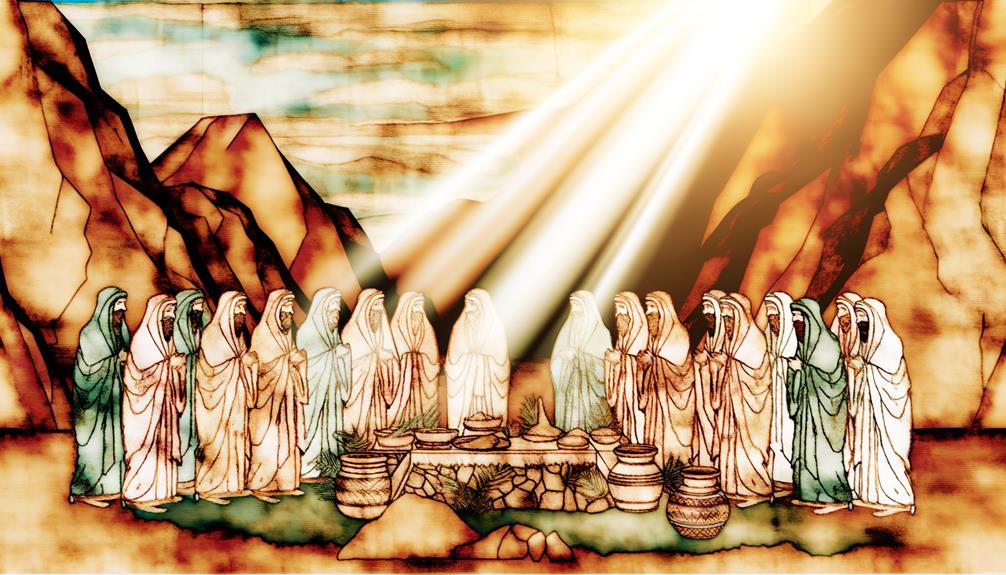
Old Testament conversions can be comprehended through the significant changes of patriarchal faith, where figures like Abraham embraced divine promises, as well as through the prophetic calls that urged Israel to return to Yahweh’s covenantal path.
Scriptural narratives like those of Jonah in Nineveh exemplify the transformative power of prophetic admonitions.
Furthermore, covenant renewal moments, such as those experienced under Joshua’s leadership, underscore the communal and individual commitment to God’s statutes.
Patriarchal Faith Transitions
Throughout the Old Covenant, several pivotal moments mark the changes in which patriarchs embraced and solidified their faith in Yahweh, each serving as a foundational example of conversion and covenantal commitment. Abraham’s departure from Ur, Jacob’s encounter at Bethel, and Moses’ experience at the burning bush epitomize transformative faith shifts. These events are not merely personal awakenings but carry profound theological implications, setting precedents for communal worship and divine covenant.
| Patriarch | Key Event | Scriptural Reference |
|---|---|---|
| Abraham | Call from Ur | Genesis 12:1-3 |
| Jacob | Vision at Bethel | Genesis 28:10-22 |
| Moses | Burning Bush | Exodus 3:1-10 |
| Joshua | Covenant Renewal | Joshua 24:14-28 |
Each patriarch’s conversion underscores a deeper commitment to Yahweh, shaping Israel’s spiritual heritage.
Prophetic Calls to Change
Regularly, the Old Covenant prophets were instrumental in calling the people of Israel back to a genuine conversion and renewed commitment to Yahweh, emphasizing repentance and faithfulness.
Prophets like Isaiah, Jeremiah, and Ezekiel conveyed divine messages that urged the Israelites to forsake idolatry and injustice, returning to covenantal obedience.
Isaiah 1:18-20 poignantly invites Israel to ‘reason together’ with God, promising forgiveness for the repentant.
Jeremiah’s lamentations accentuate the dire need for inner transformation (Jeremiah 4:1-4).
Ezekiel’s vivid visions, particularly in Ezekiel 18:30-32, stress individual responsibility for sin and the possibility of a renewed heart.
These prophetic appeals encapsulate the essence of Old Agreement conversion: a heartfelt return to God’s righteous path, underscored by profound spiritual renewal.
Covenant Renewal Moments
Covenant renewal moments in the Old Scriptures are pivotal instances where the Israelites recommitted themselves to Yahweh, often marked by communal ceremonies and significant scriptural declarations.
These events serve as spiritual reawakenings, underscoring the covenantal relationship between God and His people.
Key episodes include Joshua’s renewal at Shechem (Joshua 24), where the Israelites reaffirmed their loyalty to God through a public declaration, and King Josiah’s reforms (2 Kings 23), which revitalized adherence to Mosaic Law.
Such moments function as theological and communal resets, reinforcing the necessity of repentance, obedience, and unity under divine law.
These renewals are not mere historical footnotes but are foundational to understanding Israel’s perpetual call to conversion and faithfulness.
New Testament Conversions
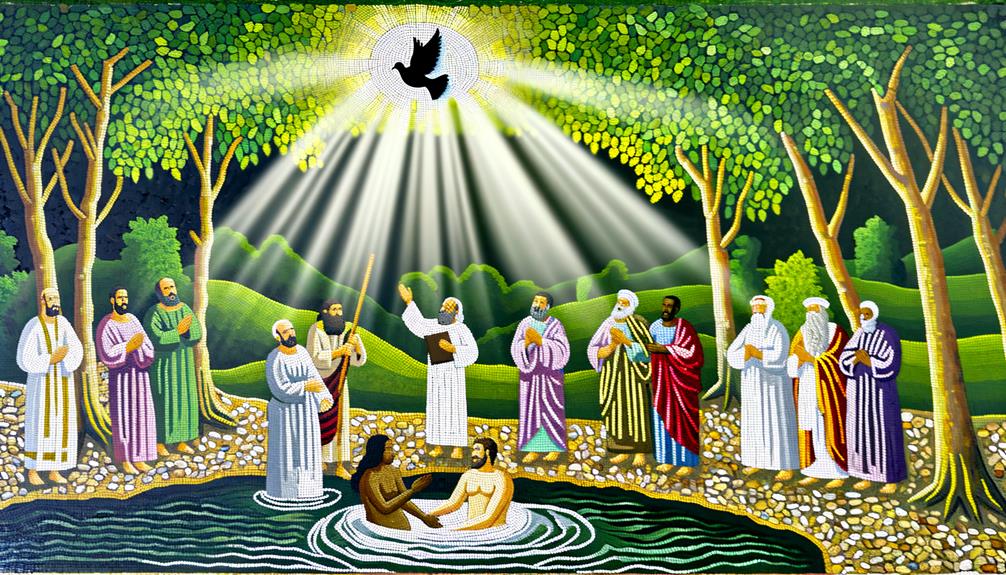
The New Covenant provides numerous accounts of conversions, illustrating how individuals from diverse backgrounds embraced the teachings of Jesus Christ and transformed their lives accordingly. These narratives serve as profound examples of the power of faith and the inclusive nature of early Christian evangelism.
Key New Covenant conversions include:
- Saul of Tarsus: His dramatic encounter with Christ on the road to Damascus (Acts 9).
- The Ethiopian Eunuch: Converted through Philip’s explanation of Isaiah’s prophecy (Acts 8).
- Cornelius the Centurion: First Gentile convert, demonstrating God’s acceptance of all (Acts 10).
- Lydia of Thyatira: A businesswoman whose heart was opened by the Lord (Acts 16).
These stories underscore the transformative impact of the gospel message.
Spiritual Transformation in Conversion

Spiritual transformation in conversion fundamentally represents a profound inner change, catalyzed by an encounter with divine grace and truth.
Biblically, this metamorphosis is often illustrated through the narratives of individuals who, upon accepting the gospel, experience a complete renewal of heart and mind. For instance, 2 Corinthians 5:17 declares, ‘If anyone is in Christ, the new creation has come: The old has gone, the new is here!’
Historically, such conversions have marked a radical shift from previous ways of living to a life led by the Spirit, as epitomized by the Apostle Paul’s dramatic conversion in Acts 9.
This process involves repentance, faith, and regeneration, encompassing a holistic transformation that aligns one’s life with God’s will and purpose.
Cultural Impact of Conversion

Throughout history, the cultural impact of conversion has often manifested in the transformation of societal norms, values, and practices, as entire communities realigned their lives according to biblical principles.
The infusion of Christian doctrine into diverse cultures resulted in profound changes that extended beyond individual spirituality to collective identity and social conduct. Scriptural tenets guided laws, education, and moral philosophies, creating a foundation upon which civilizations evolved.
- Moral Reformation: Societal standards were redefined, emphasizing compassion, justice, and forgiveness.
- Educational Shifts: Biblical literacy became a cornerstone, promoting widespread education.
- Legal Systems: Many legal frameworks were shaped by principles found in Scripture.
- Artistic Expression: Art and literature were profoundly influenced, reflecting biblical narratives and themes.
Modern Interpretations of Biblical Conversion
Building upon the historical influence of conversion, modern interpretations of biblical conversion explore the evolving understanding of spiritual transformation in contemporary contexts. This nuanced examination involves a synthesis of theological expertise, historical context, and scriptural analysis. Contemporary scholars consider conversion not merely as a singular event but as an ongoing process marked by continual growth and renewal.
| Aspect | Modern Interpretation |
|---|---|
| Theological Perspective | Emphasizes conversion as a lifelong journey of faith and sanctification. |
| Historical Context | Recognizes the shift from ancient rituals to personal and communal experiences. |
| Scriptural Analysis | Highlights dynamic readings of texts, focusing on relational and transformative themes. |
| Spiritual Practices | Integrates traditional practices with modern spiritual disciplines and community involvement. |
Such interpretations reveal how biblical conversion remains relevant and transformative in today’s world.
Conclusion
In sum, the concept of ‘convert’ in the Bible encompasses a profound spiritual metamorphosis, rooted in both Old and New scriptures narratives.
This transformation reverberates beyond personal faith, influencing cultural landscapes and theological discourses.
Like a mustard seed blossoming into a great tree, conversion signifies an expansive journey from initial belief to deep-rooted faith.
Modern interpretations continue to unravel its complexities, attesting to its enduring significance in contemporary spiritual and academic contexts.