
The Meaning Of Glory In The Bible: Divine Presence
In the Bible, the concept of ‘glory’ signifies the extraordinary manifestation of God’s presence, character, and majesty. It is captured through divine brightness, power, and holiness, reflecting attributes such as splendor and reverence.
The Old scriptures often portray God’s glory through physical phenomena like fire and cloud, as seen in Exodus. The Psalms and Prophetic visions further expound upon this theme, linking glory to God’s omnipotence.
In the New scriptures, Jesus Christ epitomizes divine glory, especially through events like the Transfiguration and Resurrection. Apostolic teachings weave this understanding into the transformative journey of believers, offering profound insights still relevant today.

Key Takeaways
- Glory represents God’s divine presence and attributes, such as holiness, majesty, and splendor.
- In the Old Testament, glory is often manifested through fire, cloud, and light, signifying God’s covenantal presence.
- Jesus is seen as the ultimate revelation of divine glory through His miracles, Transfiguration, and Resurrection.
- Apostolic teachings link glory to resurrection, sanctification, and ethical transformation in believers.
Old Testament Depictions

In the Old Scriptures, the concept of glory is mainly associated with the manifest presence of God, often symbolized through physical phenomena such as fire, cloud, and radiant light. This divine glory, or ‘kavod’ in Hebrew, is depicted vividly in various theophanies.
For instance, in Exodus 24:17, the glory of the Lord is described as a consuming fire on Mount Sinai, signifying both His transcendence and immanence. Similarly, in 1 Kings 8:10-11, the glory of the Lord fills Solomon’s Temple in the form of a cloud, indicating His sanctifying presence.
These manifestations served as tangible affirmations of God’s covenantal relationship with His people, evoking reverence, awe, and a profound sense of divine mystery.
Glory in the Psalms

The Psalms frequently extol the glory of God, portraying it as a central theme that underscores His majesty, power, and faithfulness. This divine glory is depicted through vivid imagery and poetic expressions, highlighting God’s sovereignty and His creation’s response.
For instance, Psalm 19:1 declares, ‘The heavens declare the glory of God; the skies proclaim the work of his hands,’ emphasizing the natural world’s testimony to His greatness. Similarly, Psalm 24:10 reverently asks, ‘Who is this King of glory? The Lord Almighty—he is the King of glory.’
Such verses illustrate the Psalms’ role in magnifying God’s unparalleled splendor and calling the faithful to recognize and revere His omnipotence and benevolent presence throughout their lives.
Prophetic Visions

Prophetic visions in the Bible serve as profound mediums of divine revelation, articulating God’s will and purpose to humanity.
The rich symbolism inherent in these prophecies encapsulates complex theological truths that transcend temporal contexts.
Moreover, the enduring impact of these visions resonates in contemporary faith practices, underscoring their timeless significance.
Divine Revelation Purpose
Throughout the Bible, divine revelations, especially those conveyed through prophetic visions, serve to reveal God’s will, purpose, and future plans for humanity. These revelations often come through chosen prophets, acting as intermediaries between God and His people.
Prophetic visions, such as those experienced by Isaiah, Ezekiel, and Daniel, illuminate God’s intentions, offering guidance, warnings, and promises. They underscore the divine sovereignty and the unfolding of a divine plan that transcends human understanding.
Symbolism in Prophecies
How do the rich and varied symbols within prophetic visions elucidate deeper theological truths and divine mysteries? Prophetic visions in the Bible utilize a tapestry of symbols, each carefully chosen to convey specific aspects of God’s nature, His plans, and His interactions with humanity. These symbols often transcend their literal meanings, providing layers of insight that reveal God’s glory and sovereignty. For instance, the use of light often symbolizes divine presence and revelation, while beasts can depict empires or spiritual forces.
| Symbol | Biblical Example | Interpretation |
|---|---|---|
| Light | Daniel 10:6 | Divine presence and revelation |
| Beasts | Daniel 7:3-7 | Empires or spiritual entities |
| Horns | Revelation 13:1 | Power and authority |
Such symbolic language invites believers to engage deeply with Scripture, seeking profound understanding of divine mysteries.
Visions’ Impact Today
The enduring influence of prophetic visions within contemporary faith communities underscores their continued relevance in understanding divine will and eschatological themes.
Prophetic visions, as recorded in biblical texts, serve as conduits through which believers discern God’s overarching plan and imminent future events. These visions offer profound insights into the nature of divine glory and the ultimate fulfillment of God’s promises.
In today’s context, they inspire hope, encourage spiritual vigilance, and guide ethical living, aligning contemporary experiences with ancient revelations.
Jesus and Glory

In the New Covenant, Jesus Christ is repeatedly depicted as the ultimate manifestation of divine glory. His life, teachings, and sacrificial death embody the essence of God’s splendor and majesty. The transfiguration (Matthew 17:1-9), resurrection (John 20), and exaltation (Philippians 2:9-11) exemplify this glory. The following table highlights key aspects of Jesus’ glory:
| Aspect | Description | Biblical Reference |
|---|---|---|
| Transfiguration | Reveals divine nature | Matthew 17:1-9 |
| Miracles | Demonstrates authority over creation | John 2:1-11 |
| Resurrection | Victory over death | John 20 |
| Exaltation | Seated at the right hand of God | Philippians 2:9-11 |
| Second Coming | Future revelation of glory | Revelation 1:7 |
This thorough portrayal underscores Jesus as the focal point of divine glory in Christian theology.
Apostolic Teachings
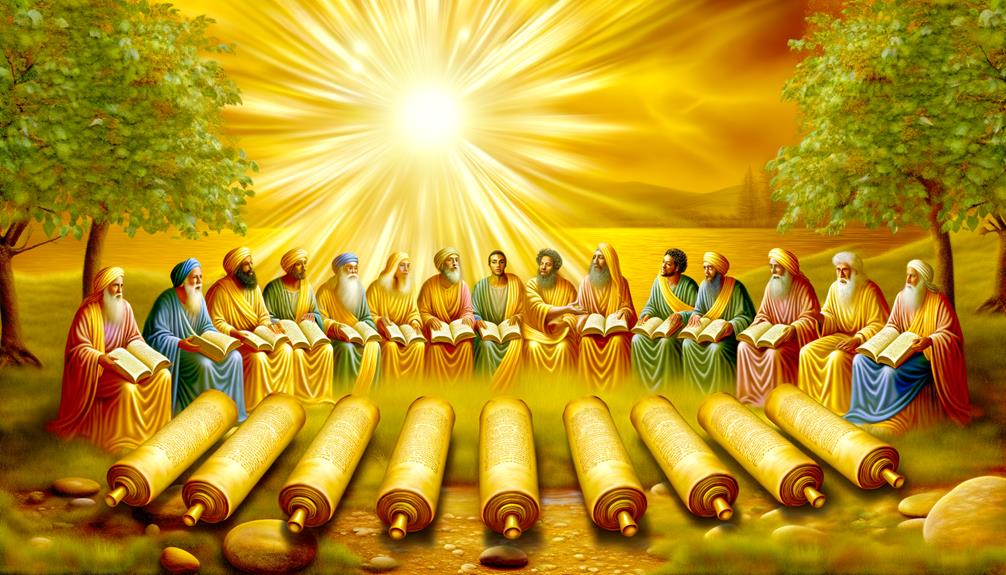
The apostolic teachings provide a profound understanding of glory, as seen through the lens of the early church’s theological framework.
The apostles articulated a vision of glory that underscores both divine revelation and human transformation, emphasizing the eschatological hope within the Christian community.
This section will explore the apostles’ perspectives on glory, highlighting its significance in the life and doctrine of the nascent church.
Apostles’ View of Glory
Apostolic teachings elucidate a multifaceted understanding of glory, emphasizing its divine origin and transformative impact on believers.
The apostles, particularly Paul and John, articulate glory as an attribute of God’s intrinsic nature, manifesting through Christ and the Holy Spirit.
In Pauline epistles, glory is closely linked to the resurrection and sanctification, signifying believers’ future hope of sharing in divine radiance (Romans 8:17-18).
John’s writings reveal a theological vision where glory is both seen and experienced in Christ’s earthly ministry, culminating in the eschatological revelation (John 1:14, Revelation 21:23).
Hence, apostolic perspectives intertwine glory with divine presence, ethical transformation, and eschatological promise, offering a profound, nuanced understanding rooted in early Christian thought.
Glory in Early Church
Early church teachings on glory, as reflected in apostolic doctrines, emphasize its role in shaping communal and individual identity within the nascent Christian community.
The apostles, particularly Paul and Peter, articulated that glory is inextricably linked to the manifestation of God’s presence and power among believers (2 Corinthians 3:18; 1 Peter 4:14).
They taught that the pursuit of divine glory necessitated a transformation of character, aligning one’s life with Christ’s example.
This eschatological vision of glory also served as a source of hope and endurance amidst persecution (Romans 8:18).
Consequently, glory was not merely an abstract theological concept but a lived reality that affirmed the believers’ unity, purpose, and ultimate salvation in Christ.
Glory in Christian Life

Understanding glory in Christian life involves recognizing it as both a divine attribute and a call to embody God’s presence in everyday actions. This dual concept underscores the transformative power of living in accordance with divine principles.
In personal conduct, Christians are called to reflect God’s glory through acts of love, kindness, and justice, thereby serving as tangible manifestations of divine grace. Scripturally, this is evidenced in passages like Matthew 5:16, which urges believers to let their light shine before others.
Theologically, the pursuit of God’s glory becomes a lifelong endeavor, aligning one’s character with the divine image. Consequently, glory in Christian life is both an aspiration and a reflection of God’s ongoing work within the believer.
Conclusion
The biblical concept of glory encompasses diverse portrayals from Old Scripture depictions to apostolic teachings.
This multifaceted notion is illustrated through the Psalms’ reverent praises, the prophets’ awe-inspiring visions, Jesus’ divine mission, and the apostles’ doctrinal expositions.
In Christian life, glory serves as both a beacon and a mirror, reflecting God’s majesty and guiding believers toward a higher spiritual calling.
Such a rich tapestry of meaning underscores the profound and enduring significance of glory within the biblical narrative.