
Variableness Meaning in the Bible: Divine Consistency
In the Bible, variableness is a term that highlights the contrast between God’s unchanging nature and humanity’s fluctuating moral and spiritual states. This concept is rooted in divine constancy as seen in Malachi 3:6, where God reassures His unwavering consistency.
Historically, this constancy provided stability for the Israelites amidst turmoil. Human variableness is exemplified through characters like Abraham and Peter, showcasing a journey from doubt to faith.
Parables such as the Sower (Matthew 13:3-23) further illustrate variability in human receptivity to God’s word. Delving into these themes offers a profound understanding of divine faithfulness and human transformation.

Key Takeaways
- Variableness in the Bible often depicts human moral and spiritual fluctuations, such as doubt and faith struggles.
- Biblical characters like Abraham and Peter demonstrate variableness through their journeys of faith and growth.
- Parables, such as the Sower and Prodigal Son, illustrate different human responses to divine teachings.
- The divine constancy of God contrasts with human variability, assuring believers of His unwavering faithfulness.
Divine Constancy Vs. Human Change

The Bible frequently contrasts divine constancy with human change, emphasizing God’s unwavering nature through scriptures like Malachi 3:6, ‘For I the LORD do not change,’ as opposed to the mutable and often fickle nature of humanity.
This eternal constancy is a cornerstone of theological doctrine, providing believers with assurance of God’s reliability and steadfastness.
Historically, this concept served as a stabilizing force for the Israelites, who faced frequent upheavals and uncertainties.
Scriptural analysis reveals that this divine immutability underscores God’s covenantal faithfulness and ethical consistency, standing in stark contrast to human unpredictability.
Such passages reassure the faithful that, despite human inconsistency, God’s purposes and promises remain steadfast, fostering deep trust and reverence in the divine character.
Variableness in Biblical Characters
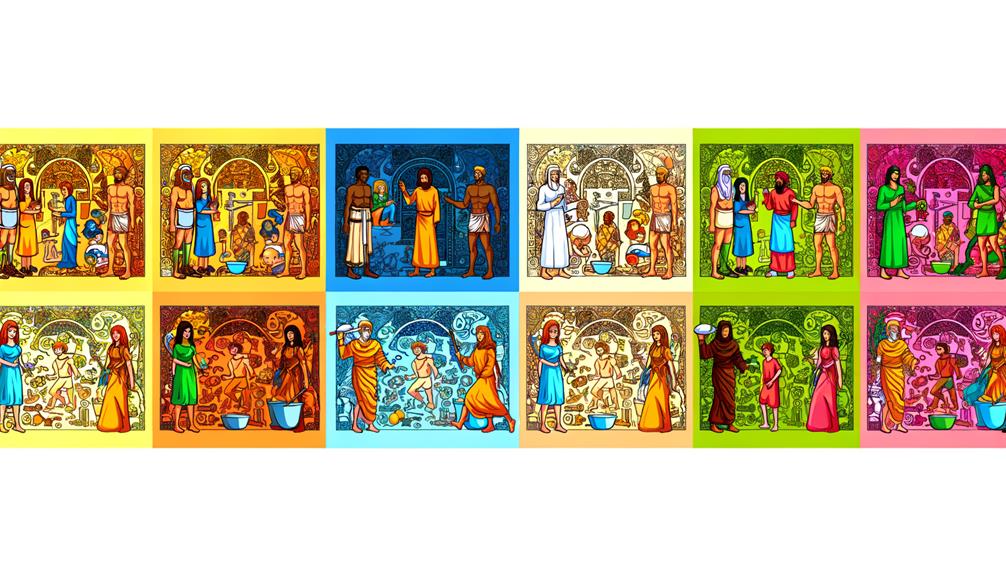
Biblical narratives often highlight the variableness of human characters, illustrating their moral struggles, growth, and change within the framework of divine interaction.
From Abraham’s initial doubt to his unwavering faith, and David’s shift from a humble shepherd to a flawed yet repentant king, the Bible showcases the complexities of human nature.
Peter’s impulsive denial of Christ, followed by his role as the foundational apostle, exemplifies this variableness.
These stories not only provide theological insights into the human condition but also underscore the transformative power of divine grace.
Faith and Doubt in Scripture

In numerous scriptural accounts, faith and doubt emerge as pivotal themes that reveal the depth of human reliance on divine guidance.
The interplay between faith and doubt is vividly illustrated in the story of Thomas, whose skepticism after Christ’s resurrection underscores the natural human inclination towards doubt.
Historically, the Israelites’ oscillation between trust in God and episodes of disbelief, such as during their exodus from Egypt, further exemplifies this dynamic.
Scripture often juxtaposes faith, as in Abraham’s unwavering trust in God’s promises, with doubt to highlight the spiritual journey of believers.
Analyzing these narratives offers profound theological insights into the complexities of faith, illustrating that doubt, while challenging, can ultimately lead to a deeper, more resilient faith.
Parables Illustrating Variableness

Numerous parables in the Bible illustrate the concept of variableness, demonstrating the dynamic and often unpredictable nature of human responses to divine teaching. Significantly, the Parable of the Sower (Matthew 13:3–23) elucidates differing receptions of the Gospel message among various types of hearers. Historical context reveals these responses mirror the unpredictability of human behavior and spiritual receptivity. Scriptural analysis of parables like the Talents and the Prodigal Son further underscores this theme, highlighting the fluctuating moral and spiritual states of individuals.
| Parable | Scripture Reference | Theme of Variableness |
|---|---|---|
| Sower | Matthew 13:3–23 | Different receptions of the Word |
| Talents | Matthew 25:14–30 | Varied use of entrusted resources |
| Prodigal Son | Luke 15:11–32 | Fluctuating moral and spiritual states |
| Wise and Foolish Virgins | Matthew 25:1–13 | Preparedness and lack thereof |
| Wheat and Tares | Matthew 13:24–30 | Good and evil coexisting until final judgment |
Modern Implications of Variableness

Understanding the concept of variableness in the Bible offers profound insights into contemporary spiritual life, revealing how fluctuating human responses to divine guidance continue to shape religious experiences today.
Historically, biblical variableness underscores the human propensity to waver in faith, as seen in the Israelites’ journey in the wilderness (Exodus 16-17).
Modern believers encounter similar spiritual oscillations, responding variably to divine teachings amidst societal pressures.
Scriptural exhortations, such as James 1:17’s assertion of God’s unwavering nature, encourage steadfastness in faith.
This theological tension between divine constancy and human variability challenges contemporary Christians to seek consistency in their spiritual walk.
Understanding this dynamic fosters a deeper, more resilient faith, grounded in the timeless truths of scripture.
Conclusion
The concept of variableness within the Bible serves as a pivotal dichotomy between the divine constancy of God and the ever-changing nature of humanity.
Biblical characters exemplify this variableness through narratives of faith and doubt, while parables vividly illustrate this theme.
The modern implications are profound, urging a reflection on steadfastness amidst life’s flux.
The variableness in scripture is not merely a theological nuance but a monumental proof to the human condition’s perpetual struggle for spiritual constancy.