Yom Kippur Meaning in the Bible: Day of Atonement
Yom Kippur, or the Day of Atonement, is profoundly rooted in the biblical tradition, specifically detailed in the Book of Leviticus. This solemn day served as a moment for communal purification, emphasizing atonement for the sanctuary, priests, and people through detailed sacrificial rituals, particularly featuring the scapegoat.
These rituals underscored the gravity of sin and the possibility of divine forgiveness, mandating a cessation from work and communal fasting. The day provided an opportunity for introspection, repentance, and a renewal of the covenantal relationship with God, embodying a pivotal spiritual journey for individuals and the community alike.
To further understand its evolution and ongoing significance, additional exploration will be illuminating.

Key Takeaways
- Yom Kippur is the Day of Atonement, focusing on communal purification and reconciliation with God.
- Leviticus 16 details the rituals and significance of Yom Kippur in the biblical context.
- It involves fasting, cessation from work, and collective repentance for sins.
- The High Priest’s role in atonement rituals, including the scapegoat, is central.
Biblical Origins of Yom Kippur
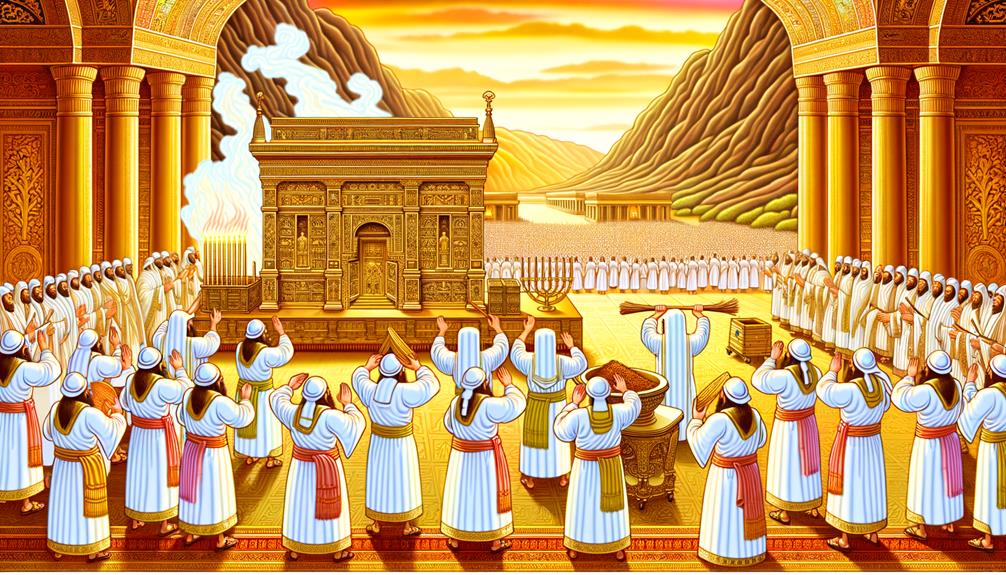
How did the ancient Israelites come to observe Yom Kippur as a sacred day of atonement and repentance?
The origins of Yom Kippur, also known as the Day of Atonement, are deeply entrenched in the religious and cultural practices of ancient Israel.
Historically, this day served as a crucial moment for communal purification and reconciliation with God.
It was a time when the Israelites sought to cleanse themselves of sins and renew their covenantal relationship with the Divine.
The concept of atonement is central, reflecting both the gravity of sin and the possibility of forgiveness.
This sacred observance underscores a collective introspection and penitence, demonstrating the community’s dedication to spiritual rectitude and moral accountability within their theocratic society.
Yom Kippur in Leviticus

In the book of Leviticus, Yom Kippur is meticulously detailed as the pinnacle of Israel’s liturgical calendar, prescribing specific rituals for atonement and purification.
Leviticus 16 outlines the Day of Atonement, emphasizing its role in reconciling the relationship between God and the Israelites.
The chapter underscores the necessity of atonement for the sanctuary, the priests, and the people, thereby maintaining communal sanctity.
The text highlights the solemnity and sacredness of the day, mandating cessation from all work and a communal fast.
This scriptural foundation situates Yom Kippur within the broader theological narrative of sin, repentance, and divine mercy, reflecting its enduring significance in Jewish religious life and its foundational role in biblical theology.
Rituals and Practices

The rituals and practices associated with Yom Kippur, as delineated in Leviticus, are profoundly rooted in the themes of atonement, purification, and communal repentance.
Central to these observances is the High Priest‘s role in the elaborate sacrificial system, including the offering of a bull and two goats. One goat, known as the ‘scapegoat,’ symbolically carries the sins of the people into the wilderness, representing the removal of transgressions from the community.
Additionally, the mandate for a day of complete fasting and abstinence underscores the solemnity and introspection required.
The collective nature of these rites underscores the communal aspect of repentance, aiming to restore the covenantal relationship between the Israelites and God, as prescribed in the Hebrew Scriptures.
Spiritual Significance

Yom Kippur’s spiritual significance is deeply embedded in its role as a profound opportunity for introspection, repentance, and the renewal of the individual’s and community’s covenant with God. This sacred day, often referred to as the Day of Atonement, facilitates a deep and sincere connection between worshippers and the divine.
Key elements of its spiritual significance include:
- Introspection: A period for individuals to reflect on their actions over the past year and identify areas for moral and ethical improvement.
- Repentance: A sincere process of seeking forgiveness from God and from those whom one may have wronged.
Thus, Yom Kippur fosters a transformative spiritual journey.
Evolution of Observance
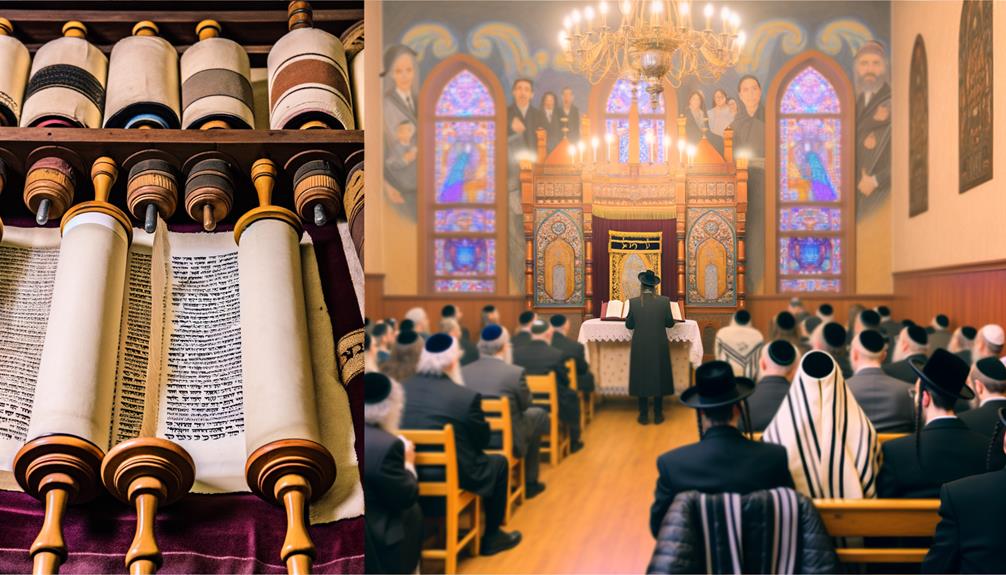
Over the centuries, the observance of Yom Kippur has evolved considerably, reflecting changes in religious practices, cultural contexts, and communal priorities.
Initially, as described in Leviticus, the Day of Atonement centered on temple sacrifices and rituals performed by the High Priest.
With the destruction of the Second Temple in 70 CE, the focus shifted from sacrificial rites to synagogue services and personal repentance.
Rabbinic teachings further shaped the liturgy, emphasizing prayer, fasting, and introspection.
In contemporary times, Yom Kippur encompasses both traditional and modern elements, with many communities incorporating themes of social justice and ethical reflection.
This evolution underscores the dynamic nature of religious observance, adapting to the needs and values of successive generations.
Conclusion
Yom Kippur, as depicted in Leviticus, emerges as a profound spiritual cornerstone within biblical tradition, embodying the intricate dance between atonement and divine grace.
The rituals and practices enshrined in sacred texts serve as conduits for spiritual purification, resonating through centuries.
This solemn day, evolving in its observance, remains a symbol of the enduring human quest for redemption and reconciliation.
Consequently, Yom Kippur stands as a timeless beacon, illuminating the path towards spiritual renewal.