
Plague Meaning In The Bible: Judgment and Warning
In the Bible, plagues serve as manifestations of divine judgment, particularly highlighting God’s sovereignty and justice. Primarily seen in the ten plagues of Egypt (Exodus 7-12), these events dismantled societal structures to compel Pharaoh to release the Israelites, underscoring themes of covenantal faithfulness and divine power.
Prophetic literature, such as Revelation, employs plague imagery to symbolize impending judgment and the ultimate need for repentance. Biblical narratives across both Covenants illustrate plagues as consequences of sin and calls to moral and spiritual realignment.
These profound themes provide deeper insight into divine justice and human responsibility.

Key Takeaways
- Plagues in the Bible symbolize divine judgment and calls for repentance.
- The Ten Plagues of Egypt in Exodus demonstrate God’s power and response to Pharaoh’s oppression.
- Biblical plagues often represent consequences of sin and disobedience.
- Prophetic texts use plague imagery to warn of divine wrath and impending judgment.
Ten Plagues of Egypt
The Ten Plagues of Egypt, as described in the Book of Exodus, serve as both a divine demonstration of God’s power and a pivotal moment in the liberation of the Israelites from Pharaoh’s bondage.
These plagues—ranging from the Nile turning to blood to the death of the firstborn—are meticulously chronicled in Exodus 7-12. Each plague not only showcased Yahweh’s supremacy over Egyptian deities but also systematically dismantled Egypt’s socio-economic structure.
Historically, these events are seen as divine interventions designed to compel Pharaoh to release the Israelites, marking the nascent stages of their identity as a chosen people.
Scripturally, the plagues underscore themes of divine justice and covenantal faithfulness, reflecting God’s commitment to His promises to Abraham, Isaac, and Jacob.
Symbolism of Divine Wrath

The concept of plagues in the Bible often symbolizes divine wrath, serving as both a manifestation of God’s judgment and a call to repentance.
In the Old Covenant, episodes such as the plagues of Egypt illustrate God’s power and justice, while prophetic texts frequently employ plague imagery to forewarn of the consequences of sin.
These scriptural examples underscore the theological principle that divine retribution is a response to human transgression, emphasizing the need for moral and spiritual alignment with divine will.
Old Testament Examples
In the Old Scripture, instances of plagues are frequently depicted as manifestations of divine wrath, serving both as punishment for transgressions and as a means to compel adherence to God’s commandments.
These episodes carry deep theological and historical significance, illustrating the consequences of disobedience and the importance of covenant fidelity.
Notable examples include:
- The Ten Plagues of Egypt (Exodus 7-12): Aimed at liberating the Israelites and demonstrating God’s supremacy.
- The Plague on Israel (Numbers 16:46-50): Following Korah’s rebellion, signifying divine authority and justice.
- The Plague on the Israelites (Numbers 25:1-9): Consequence of idolatry and immorality at Peor.
- King David’s Census (2 Samuel 24:15): Result of David’s sin, showcasing the severe repercussions of pride and disobedience.
These narratives underscore the integral role of divine retribution in the Old Covenant’s theological framework.
Role in Prophecy
Many prophetic texts in the Bible utilize plagues as potent symbols of divine wrath, foreshadowing both imminent judgment and eschatological events.
For instance, in Revelation, the apocalyptic visions include plagues as manifestations of God’s impending judgment on a sinful world (Revelation 15-16). These plagues are not merely physical afflictions but carry deep theological significance, symbolizing the ultimate confrontation between divine holiness and human iniquity.
The prophetic literature, including Isaiah and Ezekiel, also employs plagues to illustrate God’s sovereign control over history and His capacity to execute justice. Historically, these scriptural plagues serve as a call to repentance and a reminder of the gravity of divine retribution.
Consequently, plagues in prophecy underscore the seriousness of divine judgment and the hope for eventual redemption.
Consequences for Sin
Scriptural narratives frequently depict plagues as manifestations of divine wrath meted out in response to human sin, underscoring the severe consequences of transgressing divine law. This theological perspective is rooted in several key Biblical events:
- The Ten Plagues of Egypt: Representing divine punishment for Pharaoh’s obstinacy and oppression of the Israelites (Exodus 7-12).
- David’s Census: A deadly plague as retribution for David’s unauthorized census of Israel (2 Samuel 24).
- Israel’s Rebellion: God’s infliction of pestilence on Israel for their recurrent disobedience and idolatry (Numbers 16).
- Prophetic Warnings: Prophets often forewarned that plagues would befall nations that defied God’s commandments (Jeremiah 24:10).
These instances highlight the Biblical paradigm where plagues serve as both judgment and a call to repentance.
Plagues as Calls to Repentance

Throughout biblical narratives, plagues frequently serve as divine instruments, compelling individuals and nations toward repentance and spiritual renewal.
Theologically, such events are not mere punishments but are imbued with purpose, urging a return to righteousness.
Historically, the plagues of Egypt (Exodus 7-12) vividly illustrate this function, as Pharaoh’s hardened heart softened only after repeated afflictions.
Scripturally, 2 Chronicles 7:13-14 reveals God’s promise to heal the land if His people humble themselves and seek His face.
These episodes underscore a consistent biblical theme: plagues are calls to introspection and moral realignment.
Pestilences in Revelation
In the Book of Revelation, pestilences are portrayed as significant symbols within the broader narrative of eschatological prophecy.
These afflictions, often depicted as divine judgments, underscore the urgency of repentance and the impending culmination of God’s plan for humanity.
Symbolism of Pestilences
The Book of Revelation vividly portrays pestilences as divine instruments of judgment, symbolizing the broader themes of the end times and God’s ultimate sovereignty. These pestilences are rich in symbolism, reflecting God’s wrath and the purification of the earth. Historically, pestilences have been seen as warnings or calls to repentance, drawing from Old Scriptures precedents.
Scriptural analysis reveals four key symbolic elements:
- The Four Horsemen: Representing conquest, war, famine, and death (Revelation 6:1-8).
- Seven Bowls of Wrath: Pestilences as one of the final judgments (Revelation 16).
- Scorpions and Locusts: Depicting torment and suffering (Revelation 9:3-10).
- Plagues of Babylon: Symbolizing the ultimate fall of corrupt systems (Revelation 18:8).
End Times Prophecies
As the Book of Revelation unfolds, pestilences emerge as prominent signs within the complex tapestry of end times prophecies, illustrating divine judgment and the unraveling of earthly order.
Revelation 6:8 introduces the pale horse, whose rider is named Death, followed by Hades, symbolizing widespread mortality through sword, famine, and plague.
Historical context reveals that these calamities were not unfamiliar to the ancient world, resonating deeply with early Christian audiences.
Theologically, these pestilences reflect God’s sovereign will and serve as harbingers of the ultimate restoration of creation.
Scriptural analysis underscores their role in catalyzing repentance and highlighting human frailty, thereby aligning with overarching biblical themes of judgment, redemption, and hope amidst tribulation.
Plagues and Human Sin
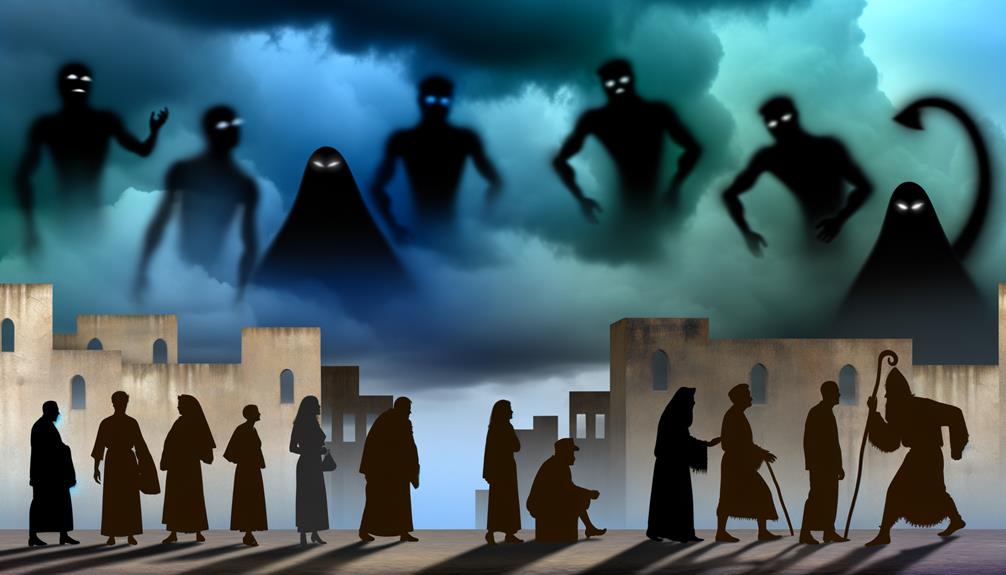
Throughout biblical narratives, plagues frequently emerge as divine responses to human sin, illustrating a profound theological connection between moral transgression and physical affliction. This correlation is evident in numerous scriptural instances, where plagues serve as both punishment and a call to repentance.
Key examples include:
- The Ten Plagues of Egypt: A divine response to Pharaoh’s hardened heart and oppression of the Israelites (Exodus 7-12).
- The Plague in Numbers 16: A consequence of Korah’s rebellion against Moses’ leadership.
- David’s Census: Resulted in a devastating plague due to David’s lack of trust in God (2 Samuel 24).
- Revelation’s Plagues: Symbolic afflictions linked to human iniquity in apocalyptic literature (Revelation 16).
These instances underscore the intimate link between sin and divine retribution in biblical theology.
Historical Context of Biblical Plagues
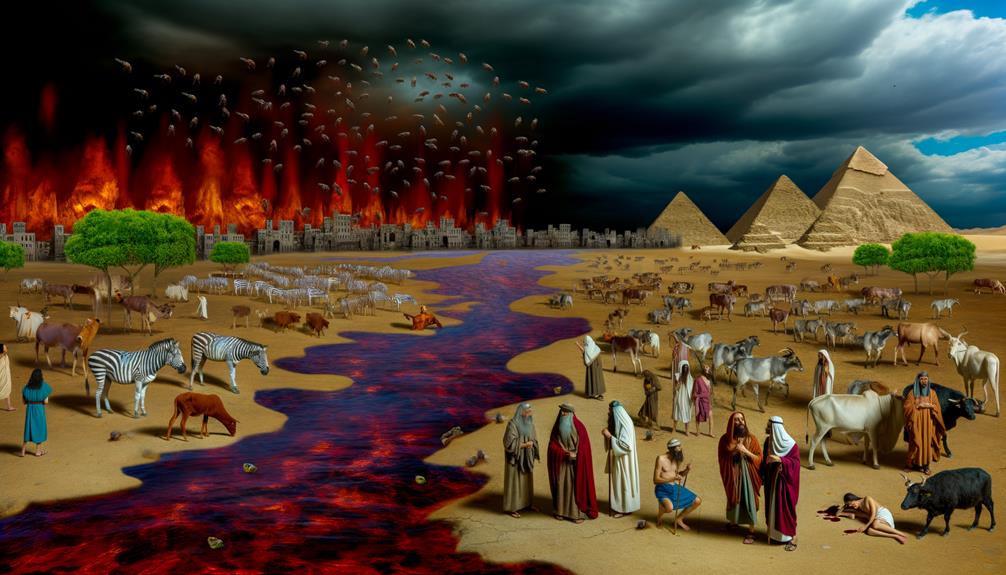
In examining the historical context of biblical plagues, it becomes essential to understand the ancient Near Eastern environment in which these narratives were composed and the theological motifs they convey.
The plagues, particularly in the Book of Exodus, reflect the socio-political landscape of ancient Egypt and Israel’s struggle for liberation.
These narratives often highlight God’s sovereignty over natural and political domains, contrasting Yahweh’s power with that of Egyptian deities.
The ten plagues, for instance, can be seen not merely as natural disasters but as divine judgments against a repressive regime.
Such events are situated within a broader cultural and religious milieu where plagues were interpreted as divine interventions, reinforcing the covenantal relationship between God and His chosen people.
Theological Interpretations

The theological interpretations of biblical plagues explore their symbolic significance, revealing deeper insights into divine justice, covenant fidelity, and the ultimate sovereignty of God. These interpretations often emphasize God’s active role in history and His responses to human disobedience and faithfulness.
Key areas of focus include:
- Divine Judgment: Plagues serve as instruments of God’s judgment against sin and idolatry, as seen in the Egyptian plagues (Exodus 7-12).
- Covenant Relationship: Plagues highlight the consequences of breaking the covenant between God and His people (Deuteronomy 28:58-61).
- Prophetic Warnings: They act as prophetic warnings, urging repentance and return to God (Amos 4:6-10).
- God’s Sovereignty: Plagues underscore God’s control over creation and His ability to intervene in human affairs (Psalm 105:26-36).
Moral Lessons From Plagues

Biblical plagues impart profound moral lessons, illustrating the dire consequences of disobedience while also emphasizing the necessity of repentance and faithfulness to God’s commandments.
In the Book of Exodus, the ten plagues inflicted upon Egypt serve as divine retribution for Pharaoh’s obstinacy, highlighting the peril of defying God’s will (Exodus 7-12). These events underscore the importance of humility and adherence to divine guidance.
Similarly, in 2 Chronicles 7:13-14, God directly links plagues to the call for repentance, urging His people to turn from wicked ways and seek His favor.
The historical context of these narratives, set within a framework of covenantal relationships, reveals a consistent theological theme: plagues are a divine mechanism to realign humanity with their spiritual duties.
Modern Reflections on Biblical Plagues

Drawing from these ancient lessons, contemporary believers and theologians find themselves reflecting on the relevance of biblical plagues in understanding modern crises and spiritual resilience. By examining these scriptural narratives, they seek to draw parallels and extract wisdom applicable today.
Key reflections include:
- Divine Sovereignty: The plagues underscore God’s ultimate control over creation, prompting believers to seek divine guidance in times of uncertainty.
- Moral Accountability: Just as the plagues served as a consequence for moral failings, modern crises invite self-examination and repentance.
- Faith and Endurance: The endurance of the Israelites amidst trials encourages steadfast faith during contemporary hardships.
- Hope and Redemption: The eventual deliverance from plagues serves as a reminder of God’s promise of redemption, fostering hope amidst adversity.
These insights provide a foundation for spiritual growth and understanding in responding to today’s challenges.
Conclusion
Through the allegorical lens, biblical plagues emerge as divine harbingers, intertwining the threads of divine wrath, human sin, and calls to repentance.
These pestilences, from Egypt to Revelation, serve as profound symbols of the covenantal relationship between the divine and humanity.
Rooted in historical context and theological interpretation, they offer moral lessons that transcend time, urging contemporary reflection on spiritual obedience and divine justice.
Consequently, the plagues are enduring testimonies of a sacred dialogue between the Creator and creation.