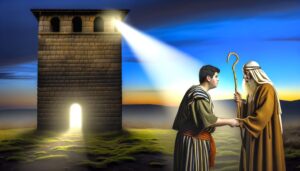
Darkness Meaning in the Bible: Evil and Ignorance
In the Bible, darkness holds profound symbolic and theological significance. Initially, it represents chaos and formlessness before divine intervention in Genesis.
As a symbol of sin, it denotes spiritual estrangement and moral decay, illustrating humanity’s separation from God’s presence. Darkness also signifies divine judgment, as seen in the plagues of Egypt and prophetic warnings.
During Christ’s crucifixion, darkness marks a moment of cosmic mourning and attests to His atonement. Ultimately, biblical narratives emphasize the triumph of divine light over darkness, highlighting God’s omnipotence and redemptive power.
For deeper insights, explore these themes further.

Key Takeaways
- Darkness in Genesis signifies the primordial chaos and void before divine creation and order.
- Darkness symbolizes spiritual and moral estrangement from God, reflecting sin and moral decay.
- The plague of darkness in Egypt represents divine judgment and Yahweh’s supremacy over false gods.
- Prophetic darkness indicates impending divine retribution and the need for repentance.
Darkness in Genesis

In the Book of Genesis, darkness is introduced as a primordial element existing before God’s creative command brings forth light, signifying a state of chaos and formlessness.
This depiction of darkness in Genesis 1:2 offers profound theological insights. It represents the initial void and inherent disorder that precedes divine intervention.
The subsequent act of God separating light from darkness (Genesis 1:4) symbolizes the establishment of order and the inauguration of creation.
Darkness in this situation is not inherently evil but rather an essential component of the pre-creation state.
Theologically, this underscores the transformative power of God’s word, turning formlessness into structured existence.
Consequently, darkness serves as a backdrop against which the creative power and sovereignty of God are vividly displayed.
Symbol of Sin

Darkness in biblical literature often manifests as a profound symbol of sin, embodying the spiritual and moral estrangement from God. This metaphorical usage reflects the absence of divine light and truth, encapsulating a state of moral decay and rebellion against God’s commandments.
Scriptural references such as John 3:19, where humanity ‘loved darkness rather than light because their deeds were evil,’ underscore the intrinsic link between darkness and sinful behavior.
Theologically, darkness signifies both the internal condition of the sinner’s heart and the external separation from divine fellowship. It serves as a poignant reminder of the consequences of sin, emphasizing the need for repentance and the redemptive power of Christ, who is described as the ‘light of the world‘ in John 8:12.
Plague of Darkness

The Plague of Darkness, as recounted in the book of Exodus, serves as a profound theological symbol of divine judgment and a tangible manifestation of God’s power over creation.
Enshrouding Egypt in a palpable darkness for three days, this penultimate plague transcends mere physical absence of light, representing a spiritual and existential void.
Analyzing the event reveals its dual purpose: to demonstrate Yahweh’s supremacy over the Egyptian gods, particularly Ra, the sun god, and to foreground Israel’s liberation.
The darkness, impenetrable and oppressive, not only punishes but also isolates, underscoring the separation between the Egyptians and the Hebrews, who remained in light.
This stark dichotomy emphasizes the protective covenant between God and His chosen people, reinforcing themes of deliverance and divine justice.
Prophetic Darkness

Numerous instances of prophetic darkness throughout the Bible serve as harbingers of divine judgment, signaling profound moments of spiritual reckoning and eschatological significance.
This motif is vividly illustrated in texts such as Isaiah 13:10, where celestial bodies are darkened as a prelude to God’s judgment on Babylon, and Amos 8:9, which foretells a day when the sun will set at noon as a divine portent.
These manifestations are not mere natural phenomena but symbolic acts orchestrated by God to underscore impending divine retribution and the need for repentance.
Theologically, prophetic darkness underscores the inextricable link between cosmic order and divine will, emphasizing the seriousness of God’s judgments and the ultimate sovereignty of His eschatological plans.
Crucifixion Darkness

Heralding a moment of profound theological significance, the darkness that enveloped the land during the crucifixion of Jesus serves as a divine witness to the gravity of His sacrificial death and its eschatological implications.
This phenomenon, recorded in the Synoptic Gospels, underscores several critical aspects:
- Divine Judgment: The obscuration symbolizes God’s judgment upon sin, a motif recurrent in prophetic literature.
- Cosmic Mourning: Nature itself responds to the unjust killing of the Son of God, indicating a cosmic sorrow.
- Messianic Fulfillment: The darkness fulfills Old Scriptures prophecies, affirming Jesus as the promised Messiah.
This event, permeated with deep theological symbolism, underscores the monumental impact of Christ’s atonement for humanity.
Light Overcoming Darkness

The motif of light overcoming darkness is profoundly woven throughout biblical texts, symbolizing the triumph of divine presence and truth over evil and ignorance.
This symbolism is not merely poetic but deeply theological, reflecting spiritual victory narratives where God’s illumination dispels the forces of chaos and sin.
Such imagery underscores the transformative power of God’s light, offering hope and redemption in the midst of moral and existential obscurity.
Symbolism of Divine Light
In biblical theology, the motif of divine light triumphing over darkness serves as a profound representation of God’s omnipotence and the ultimate victory of good over evil. This powerful symbolism is deeply embedded in Scripture, offering insights into the nature of divine intervention.
Creation: God’s first act in Genesis is to command, ‘Let there be light,’ dispelling primordial darkness and illustrating divine authority.
Guidance: The pillar of fire that led the Israelites through the wilderness symbolizes God’s protective guidance amid life’s uncertainties.
Salvation: Christ is described as the ‘Light of the World,’ signifying hope and redemption, illuminating the path to eternal life.
These instances underscore light as a divine tool against chaos, guiding believers toward righteousness.
Spiritual Victory Narratives
Biblical narratives frequently illustrate the triumph of light over darkness as a reflection of spiritual victory and divine justice. This theme permeates scripture, from Genesis, where God separates light from darkness, to the Gospel of John, which proclaims Jesus as the ‘light of the world.’
The Exodus narrative, with its plagues casting Egypt into literal and spiritual darkness, culminates in the Israelites’ deliverance, symbolizing divine intervention and justice. Similarly, the Resurrection epitomizes ultimate victory over death‘s darkness, affirming eternal life.
These narratives not only offer theological insights into God’s nature but also provide believers with hope and assurance of divine triumph over evil. Consequently, light overcoming darkness serves as a profound metaphor for spiritual victory and redemption.
Conclusion
In biblical texts, darkness manifests as a multifaceted symbol:
In Genesis, it signifies the primordial chaos before divine order;
as a metaphor for sin, it conveys moral and spiritual corruption;
in the Plague of Darkness, it exemplifies divine judgment;
in prophecies, it foretells eschatological events;
during the Crucifixion, it underscores cosmic significance.
Yet, through the recurring theme of light overcoming darkness, the narrative ultimately emphasizes redemption, divine sovereignty, and the triumph of good over evil.