
Meaning of Stiff Neck in Bible: Spiritual Rebellion
In the Bible, the term ‘stiff neck‘ describes spiritual stubbornness and resistance to God’s commandments, often depicted through the metaphor of oxen resisting a yoke. Key Old Scriptures references, such as Exodus 32:9 and Deuteronomy 9:6, illustrate the Israelites’ rebellious nature despite divine interventions.
In the New Testament, Acts 7:51 uses the term to criticize the Jewish authorities’ resistance to the Holy Spirit. This metaphor emphasizes the perennial human struggle against divine guidance, highlighting the importance of humility and obedience.
Exploring further illuminates the historical and theological implications of this concept.

Key Takeaways
- ‘Stiff neck’ in the Bible symbolizes stubbornness and resistance to divine guidance.
- It originates from agrarian imagery of oxen resisting the yoke.
- The phrase is used to describe the Israelites’ disobedience and rebellion against God’s commandments.
- Consequences of being stiff-necked include divine judgment, loss of blessings, and spiritual hardening.
Biblical Origins of ‘Stiff Neck’
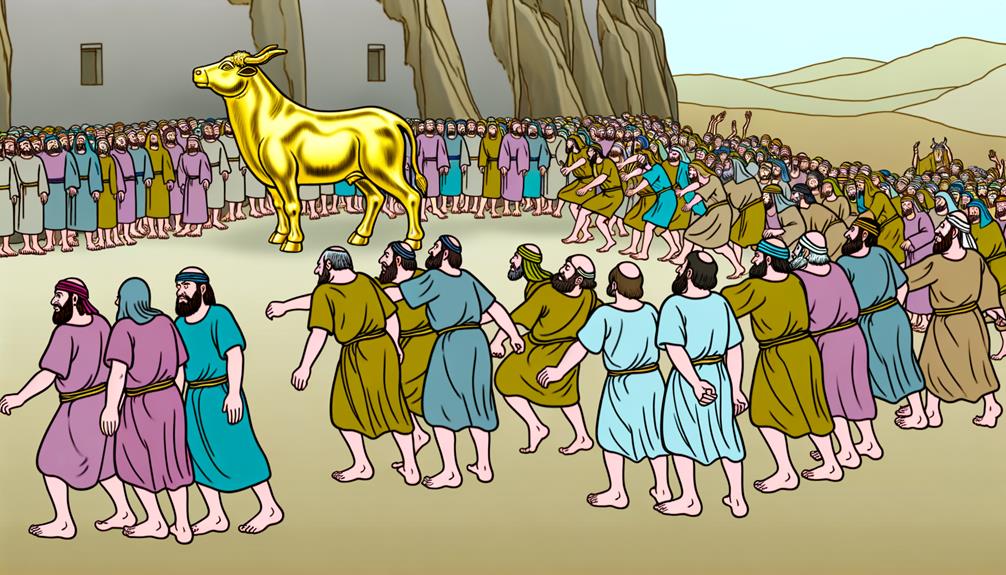
The phrase ‘stiff neck‘ originates from several passages in the Bible, primarily within the Old Scriptures, where it is used metaphorically to describe a stubborn or obstinate attitude towards God’s commandments.
This term vividly illustrates the resistance of the Israelites, who, despite witnessing divine interventions, frequently reverted to disobedience.
The metaphor of a ‘stiff neck’ derives from agrarian imagery, where oxen that resisted the guidance of the yoke were considered ‘stiff-necked.’
Theologically, this imagery underscores the human propensity to resist divine guidance, highlighting a recurring theme in the narrative of God’s relationship with His people.
It serves as a poignant reminder of the importance of humility and adherence to divine will in biblical teachings.
Old Testament References
Numerous passages within the Old Scriptures utilize the term ‘stiff neck’ to characterize the Israelites’ persistent defiance against God’s commandments and prophetic guidance. This metaphor illustrates their stubbornness and reluctance to follow divine direction, often leading to severe repercussions. For instance, in Exodus 32:9, God describes the Israelites as a “stiff-necked people” following the worship of the golden calf. Similarly, in Deuteronomy 9:6, Moses emphasizes their rebellious nature during their journey through the wilderness. These references serve as a theological admonition and historical reflection on the Israelites’ recurring disobedience.
| Scripture Passage | Context of ‘Stiff Neck’ |
|---|---|
| Exodus 32:9 | Golden calf incident |
| Deuteronomy 9:6 | Moses recounts rebellion |
| 2 Chronicles 30:8 | Hezekiah urges repentance |
| Nehemiah 9:29 | Israel’s disobedience detailed |
| Jeremiah 7:26 | Persistent failure to heed God’s word |
New Testament Insights
Shifting focus to the New Covenant, the term ‘stiff neck’ continues to embody the theme of spiritual obstinacy, albeit with nuanced applications pertinent to the early Christian church.
In the New Scriptures, this concept is essential for understanding the dynamics of early Christian faith and resistance to divine guidance. Specifically, Acts 7:51 highlights Stephen’s rebuke of the Jewish authorities for their stubbornness.
Additionally, the term reflects the broader struggle between:
- Old Covenant adherence – Resistance to the teachings of Jesus.
- Gentile inclusion – Reluctance to accept non-Jews into the Christian community.
- Apostolic authority – Challenges faced by apostles in guiding nascent churches.
- Spiritual renewal – The call for transformation and repentance.
These themes underscore the ongoing tension between human willfulness and divine direction.
Symbolism and Metaphor

The phrase ‘stiff-necked‘ in the Bible frequently serves as a potent metaphor for spiritual obstinacy and rebellion, as seen in passages such as Exodus 32:9 and Acts 7:51.
This imagery underscores a historical pattern of resistance among God’s people, symbolizing a refusal to submit to divine authority.
Consequently, the ‘stiff neck’ becomes a vivid emblem of human stubbornness and the broader spiritual consequences of resisting God’s will.
Biblical Stiff Neck Imagery
Within the biblical context, the imagery of a ‘stiff neck’ serves as a potent metaphor for obstinacy and spiritual rebellion against divine authority. This vivid expression captures the essence of human recalcitrance in several key ways:
- Exodus 32:9 – God labels the Israelites as a ‘stiff-necked people’ following their idolatry with the golden calf, symbolizing their resistance to His covenant.
- Deuteronomy 9:6 – Moses reiterates this description, highlighting Israel’s persistent disobedience despite divine deliverance.
- Proverbs 29:1 – The proverb warns that a ‘stiff neck’ leads to sudden destruction, underscoring the peril of persistent defiance.
- Acts 7:51 – Stephen accuses the Sanhedrin of being ‘stiff-necked,’ illustrating their refusal to accept the Holy Spirit’s guidance.
These references underscore the peril of spiritual intransigence.
Stubbornness in Scripture
Throughout scripture, stubbornness is frequently depicted through rich symbolism and metaphors that elucidate the spiritual consequences of resisting divine will. The term ‘stiff-necked’ often illustrates a recalcitrant attitude toward God, particularly in Exodus 32:9 and Deuteronomy 9:6, where Israel’s resistance to divine commands is highlighted. This metaphor not only conveys the physical imagery of a person who refuses to bow or turn but also underscores the spiritual rigidity that impedes repentance and growth.
| Scriptural Reference | Symbolic Meaning |
|---|---|
| Exodus 32:9 | Rebellion against God |
| Deuteronomy 9:6 | Spiritual stubbornness |
| Proverbs 29:1 | Consequences of hardening heart |
| Jeremiah 7:26 | Refusal to heed divine warnings |
| Acts 7:51 | Resistance to the Holy Spirit |
This symbolic language serves to remind believers of the importance of humility and obedience.
Spiritual Rebellion Symbolism
Moving from the depiction of stubbornness, spiritual rebellion in biblical texts often employs the metaphor of a ‘stiff neck’ to illustrate the profound resistance against divine guidance and the resulting moral and spiritual consequences. This metaphor is deeply rooted in the Hebrew Scriptures, reflecting a historical context where physical posture symbolized inner attitudes. For instance, Exodus 32:9 and Deuteronomy 9:6 use this imagery to describe Israel’s defiance.
Key aspects of this symbolism include:
- Resistance to Divine Authority: A ‘stiff neck’ signifies refusal to submit to God’s will.
- Moral Consequences: Persistent rebellion leads to spiritual downfall.
- Prophetic Warnings: Prophets often warned against the dangers of a hardened heart.
- Call for Repentance: Scripture urges turning back to God for restoration.
Stubbornness and Rebellion

In biblical literature, the term ‘stiff-necked‘ often symbolizes the Israelites’ persistent stubbornness and rebellion against divine guidance and commandments. This metaphor is vividly illustrated in Exodus 32:9, where God describes the Israelites as ‘a stiff-necked people’ following their creation of the golden calf.
Their repeated resistance to God’s will, despite witnessing His miracles and receiving His laws, underscores a broader narrative of human defiance. Historically, this term captures the spiritual recalcitrance that provoked divine frustration and necessitated prophetic intercession.
Scriptural references in Deuteronomy 9:6 and Nehemiah 9:16 further contextualize this behavior, highlighting a pattern of disobedience that reflects a deeper struggle between divine authority and human autonomy.
Humility Vs. Stiff-Necked Attitude
The Bible frequently contrasts humility with a stiff-necked attitude, emphasizing that a humble spirit aligns with God’s will, as illustrated in passages like James 4:6, ‘God opposes the proud but gives grace to the humble.’
Historically, the Israelites’ recurrent stubbornness, as seen in Exodus 32:9, often led to divine correction and was a barrier to receiving God’s blessings.
Embracing humility requires overcoming the entrenched pride that resists God’s guidance, fostering a relationship rooted in obedience and reverence.
Embracing Humble Spirit
Throughout the Bible, the contrast between humility and a stiff-necked attitude is frequently illustrated. Humility is extolled as a virtue that aligns one with God’s will, while a stiff-necked demeanor is often condemned as a form of rebelliousness against divine authority.
Humility is repeatedly highlighted in scripture as essential for divine favor:
- James 4:6 – ‘God opposes the proud but gives grace to the humble.’
- Micah 6:8 – ‘Walk humbly with your God.’
- Philippians 2:3 – ‘In humility, value others above yourselves.’
- Proverbs 11:2 – ‘With humility comes wisdom.’
Historically, the Israelites’ frequent resistance to God’s commands serves as a cautionary tale, emphasizing the importance of a humble spirit in spiritual growth and obedience.
Overcoming Stubborn Pride
Overcoming stubborn pride requires a deep understanding of scriptural teachings that highlight the perils of a stiff-necked attitude and the blessings of humility.
Proverbs 16:18 warns, ‘Pride goes before destruction, a haughty spirit before a fall,’ emphasizing the danger of arrogance. Historically, Israel’s resistance to God’s commands, often described as stiff-necked (Exodus 32:9), led to dire consequences.
Conversely, humility is extolled as a virtue, as seen in Philippians 2:3, ‘Do nothing out of selfish ambition or vain conceit. Rather, in humility value others above yourselves.’ This theological principle underscores that embracing humility fosters spiritual growth and aligns believers with God’s will.
Hence, recognizing and relinquishing pride is paramount for a faithful and obedient life.
Consequences of Being Stiff-Necked
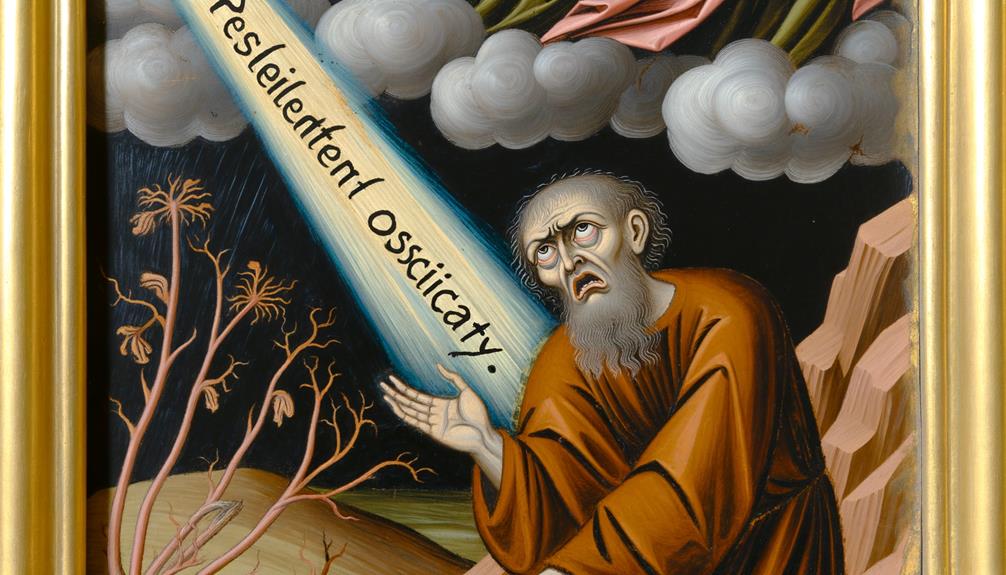
When individuals in the Bible are described as stiff-necked, it often leads to severe divine repercussions, as evidenced by numerous scriptural accounts and historical contexts. The term frequently implies an obstinate refusal to heed divine guidance, resulting in significant consequences:
- Divine Judgment: In Exodus 32:9-10, God threatens to destroy the Israelites for their stubbornness.
- Loss of Blessings: Deuteronomy 28 outlines blessings for obedience and curses for disobedience, including being stiff-necked.
- Captivity: 2 Chronicles 36:16-17 attributes the Babylonian captivity to the Israelites’ persistent rebellion.
- Spiritual Hardening: Acts 7:51 highlights how resisting the Holy Spirit leads to spiritual callousness.
These instances underscore the gravity of defiance against divine will, illustrating the severe spiritual and temporal ramifications.
Lessons in Obedience

The Bible provides numerous examples of obedience leading to divine favor, as seen in the lives of figures like Abraham and Moses, who followed God’s commands despite personal cost (Genesis 22, Exodus 3).
Conversely, the scriptures also highlight the severe repercussions faced by those who rebelled against divine instructions, such as the Israelites in the wilderness (Numbers 14).
Transforming stubbornness into a steadfast faith is a recurring theme, urging believers to shift from resistance to a willing submission to God’s will, thereby fostering spiritual growth and alignment with divine purpose.
Biblical Obedience Exemplified
Though often associated with physical discomfort, the term ‘stiff neck’ in the Bible metaphorically underscores a critical lesson in obedience, as it vividly illustrates the stubbornness and rebellion of the Israelites against God’s commandments, as seen in passages such as Exodus 32:9 and Deuteronomy 9:6.
Biblical obedience is exemplified through figures who adhered to divine will:
- Abraham – Demonstrated unwavering faith by preparing to sacrifice Isaac (Genesis 22:1-19).
- Moses – Led the Israelites out of Egypt, following God’s directives (Exodus 3:10-12).
- Daniel – Maintained his prayer routine despite the threat of the lion’s den (Daniel 6:10-23).
- Mary – Accepted her role as the mother of Jesus with humility (Luke 1:38).
These examples highlight the virtues of trust and submission to God’s will.
Consequences of Rebellion
Rebellion against divine commandments often results in dire consequences, as illustrated through numerous scriptural accounts, such as the Israelites’ worship of the golden calf leading to severe punishment (Exodus 32:7-35). This episode underscores a recurring biblical theme: disobedience incurs divine wrath.
The term ‘stiff-necked‘ metaphorically describes the Israelites’ obstinacy, which resulted in prolonged suffering and wandering in the wilderness (Numbers 14:33-34). Historical context reveals that such rebellion not only strained their covenant with God but also brought communal hardship and divine retribution.
Theological insight from these narratives emphasizes the importance of adhering to divine will, fostering an understanding that obedience brings blessing, while rebellion initiates a cycle of judgment and correction.
Transforming Stubbornness to Faith
Cultivating a heart of obedience involves recognizing and transforming inherent stubbornness into steadfast faith, as evidenced by numerous biblical exhortations and narratives. The Bible provides a framework for this transformation, urging believers to transcend their ‘stiff-necked’ tendencies.
Key lessons include:
- Submission to Divine Will: Scriptures like James 4:7 emphasize submitting to God as a primary act of faith.
- Repentance and Renewal: Acts 3:19 calls for repentance, signaling the start of a renewed relationship with God.
- Embracing Humility: Philippians 2:3-4 advocates humility, essential for overcoming prideful obstinacy.
- Obedient Action: James 2:17 underscores that faith without works is dead, highlighting the importance of actionable obedience.
These principles, grounded in historical and scriptural contexts, guide the journey from stubbornness to faith.
Spiritual Openness and Growth

In the context of spiritual openness and growth, the biblical metaphor of a ‘stiff neck‘ often signifies a resistance to divine guidance and an unwillingness to embrace spiritual transformation.
Scriptural references, such as in Exodus 32:9 and Acts 7:51, underscore this obstinacy as a barrier to receiving God’s blessings and wisdom.
Historically, the term ‘stiff-necked’ reflects the ancient agrarian imagery where oxen that refused to be yoked were seen as unyielding and unproductive.
This metaphor urges believers to cultivate a pliable spirit, open to the Holy Spirit’s leading.
Spiritual growth, thus, necessitates a departure from rigid self-will, aligning one’s heart with divine purpose and fostering a deeper, more authentic relationship with God.
Modern-Day Relevance

The concept of a ‘stiff neck’ remains pertinent in contemporary spirituality, symbolizing the enduring challenge of resisting divine guidance in favor of personal autonomy. This metaphor, rooted in biblical texts like Exodus 32:9 and Deuteronomy 9:6, continues to offer valuable insights for modern believers.
Today’s spiritual landscape often mirrors the historical context where individuals and communities struggle with:
- Pride and Self-Reliance: Prioritizing personal capability over divine wisdom (Proverbs 3:5-6).
- Resistance to Change: Clinging to old ways rather than embracing spiritual growth (Isaiah 43:18-19).
- Disobedience: Ignoring moral and ethical imperatives outlined in scripture (James 1:22).
- Spiritual Stagnation: Avoiding deeper engagement with faith practices (Hebrews 5:11-14).
These challenges highlight the timeless relevance of the ‘stiff neck’ metaphor.
Conclusion
The concept of a ‘stiff neck‘ in biblical texts serves as a powerful metaphor for stubbornness and rebellion against divine authority.
Through Old and New Scriptures references, this term highlights the consequences of defiance and the necessity for spiritual openness.
As a cautionary tale, it underscores the importance of humility and obedience to God’s will.
This ancient wisdom, akin to a timeless proverb, continues to offer valuable lessons for contemporary spiritual growth and alignment with divine purpose.