
Shekel Meaning In The Bible: Symbolism and Value
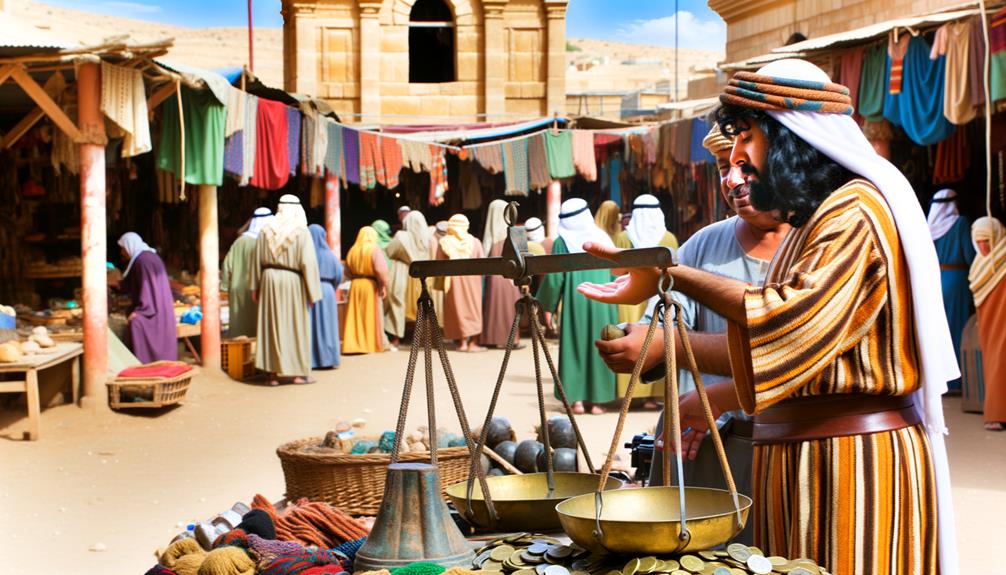
In the Bible, the shekel is a pivotal unit of weight and currency, integral to ancient Near Eastern economic and religious systems. Originating as a measure of weight for commodities such as barley and silver, it evolved into a widely accepted currency.
The shekel is recurrently mentioned in scripture, particularly in the context of trade, offerings, and tithes, exemplifying its role in daily life and religious rituals. It standardized transactions, reduced fraud risks, and underpinned economic stability.
This multifaceted role underscores the shekel’s profound influence on societal structures and spiritual practices, revealing much about ancient economic and cultural dynamics.
Key Takeaways
- The shekel was frequently used as a unit of weight and currency in the Hebrew Bible.
- It was essential for the valuation of offerings and tithes, as specified in the Book of Exodus.
- The shekel represented a standardized measure in offerings and sacrifices, symbolizing religious devotion.
- It indicated socioeconomic status in genealogical records within biblical texts.
Origin of the Shekel
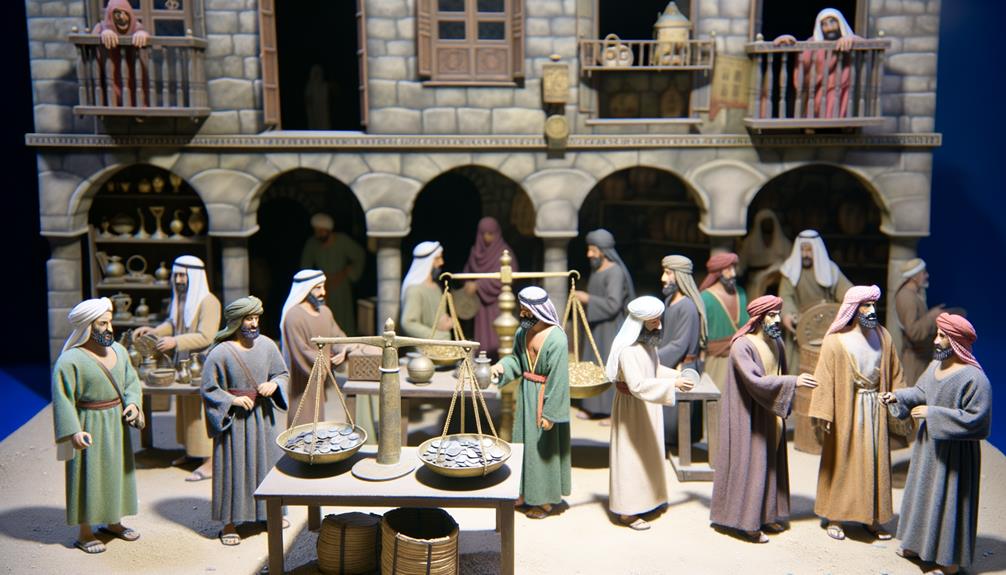
The origin of the shekel can be traced back to ancient Mesopotamia, where it initially functioned as a unit of weight before evolving into a standard medium of exchange.
Archaeological evidence indicates that the term ‘shekel’ was used to denote a specific weight of barley, silver, or other commodities, establishing a basis for trade and economic transactions.
The shekel’s role as a weight unit facilitated the creation of standardized systems essential for commerce and governance.
This weight-based system was integral to the development of trade networks, fostering economic stability and growth.
Consequently, the shekel’s evolution from a mere weight measure to a pivotal economic instrument underscores its significance in ancient economic history and its enduring legacy in subsequent cultures and societies.
Shekel as Currency

Building upon its foundational role as a unit of weight, the shekel eventually transformed into a recognized form of currency, facilitating standardized monetary transactions across various ancient economies. This evolution marked a significant shift from a barter-based system to one where value could be consistently quantified and exchanged.
Ancient inscriptions and archaeological findings reveal the widespread use of shekel coins, minted from precious metals such as silver and gold. These coins bore distinctive markings, signifying authenticity and value, which helped in reducing trade disputes and enhancing economic stability.
The shekel’s adoption as currency underscores its integral role in the financial systems of ancient Israel and neighboring regions, reflecting a sophisticated understanding of monetary principles in biblical times.
Shekel in Trade
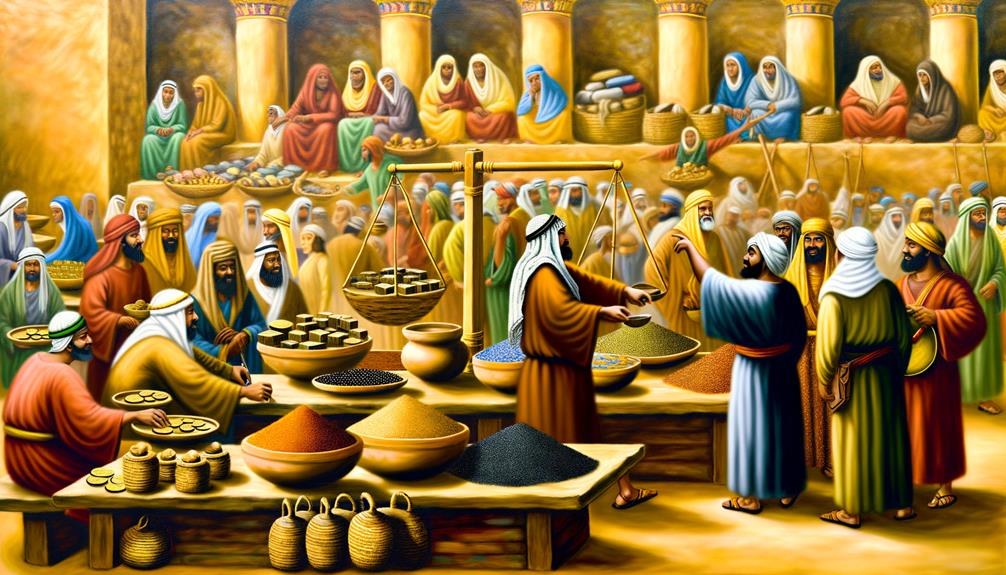
In ancient trade networks, the shekel played a pivotal role as a standardized measure of value, facilitating the exchange of goods and services across diverse economic systems. Its adoption enabled a more efficient and reliable trading environment, vital for the growth of early economies.
The shekel’s influence can be observed through various aspects:
- Standardization: The shekel provided a consistent unit of weight and value, essential for fair trade.
- Trust: Its widespread acceptance fostered trust among traders, reducing the risk of fraudulent transactions.
- Versatility: It was utilized in multiple regions, bridging different cultures and economic systems.
- Documentation: Archaeological findings reveal that transaction records often used shekels, highlighting its importance in bookkeeping and commerce.
This multifaceted role underscores the shekel’s significance in historical trade practices.
Shekel in Religious Texts

While its role in commerce was undeniably significant, the shekel’s presence in religious texts offers profound insights into its spiritual and cultural implications.
In the Hebrew Bible, the shekel is frequently mentioned as a unit of weight and currency, underpinning many ritualistic and legal contexts. For instance, in the Book of Exodus, the shekel is essential in the valuation of offerings and tithes, symbolizing a covenantal exchange between the Israelites and God.
Additionally, the shekel is often used in genealogical records, signifying the socioeconomic status of individuals. This dual function—as both a practical measure in daily life and a sacred symbol—illustrates the shekel’s integral role in ancient Israelite society and its enduring theological resonance.
Shekel and Sacrifices

Integral to the sacrificial system of ancient Israel, the shekel served as a specified measure of value for offerings, underscoring its critical role in religious rites and ceremonies. The shekel was employed in various capacities, ensuring the proper execution of sacrificial practices.
- Temple Offerings: The shekel determined the monetary value of offerings, ensuring standardized contributions.
- Atonement: During particular rituals, such as the atonement ceremony, specific shekel amounts were prescribed.
- Votive Offerings: The dedication of vows often involved a shekel value to fulfill religious obligations.
- Levite Support: Shekels supported the Levites, who performed temple duties, sustaining the religious infrastructure.
Thus, the shekel’s role in sacrifices was multifaceted, fostering a regulated and equitable worship system.
Shekel in Daily Life
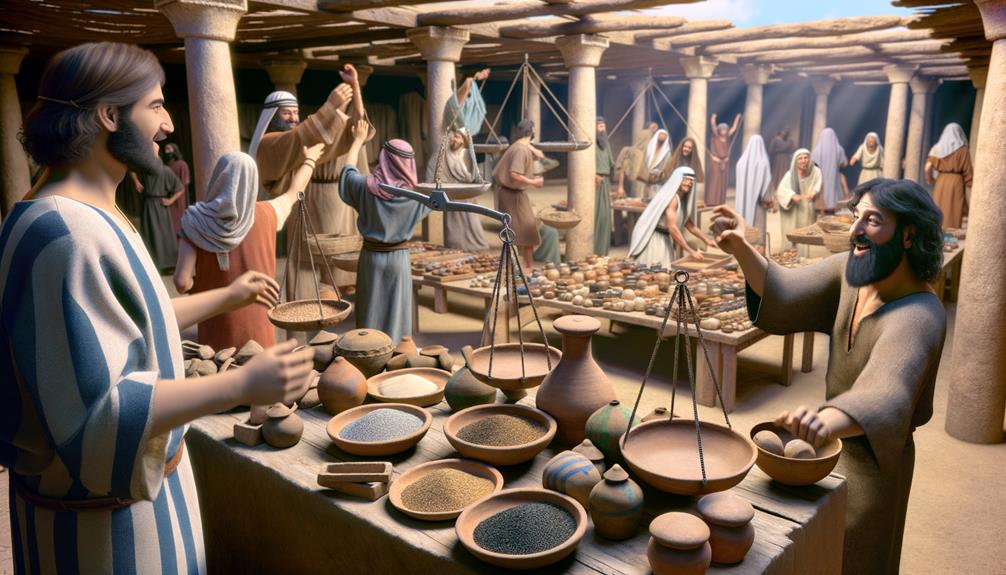
Beyond its religious significance, the shekel functioned as a fundamental unit of currency in the economic and social transactions of ancient Israelite daily life. This currency facilitated varied exchanges, from the purchase of goods and livestock to the settlement of debts. The shekel’s role extended into the domain of labor compensation and trade, reflecting its pervasive importance in sustaining the socio-economic structure.
| Aspect | Role of Shekel | Emotional Impact |
|---|---|---|
| Market Transactions | Facilitated trade and commerce | Sense of community |
| Labor Compensation | Payment for services rendered | Fairness and equity |
| Debt Settlement | Medium for resolving liabilities | Security and trust |
The shekel therefore symbolized not only an economic instrument but also a stabilizing force in daily life.
Shekel in Historical Context

In the historical context, the shekel functioned as an essential unit of weight and currency in the ancient Near East, playing a pivotal role in both monetary value and economic transactions.
It facilitated trade and commerce, serving as a standard measure for commodities such as silver and grain, which underpinned the economies of biblical societies.
Understanding the shekel’s historical application provides insight into the economic structures and trade practices that shaped ancient civilizations.
Ancient Monetary Value
Throughout ancient scriptures, the shekel is frequently referenced as a standard unit of weight and monetary value, reflecting its significant role in the economic systems of biblical times. The shekel’s historical context provides insight into its importance:
- Weight Measurement: Initially, the shekel was a measure of weight, approximately 11.4 grams, used for valuing commodities.
- Monetary Exchange: It evolved into a currency, facilitating trade and economic stability across regions.
- Religious Significance: The shekel was used in temple offerings and fines, indicating its sacred and societal importance.
- Legal Transactions: Contracts and legal documents often referenced shekels, underscoring its widespread acceptance and trust.
Understanding the shekel’s ancient value reveals its multifaceted role in the biblical economy.
Trade and Commerce
The shekel’s role in trade and commerce during biblical times was pivotal, serving as a standardized medium that facilitated economic interactions across diverse regions and cultures.
This unit of weight and currency was integral to the ancient Near Eastern economies, bridging gaps between different societal groups. It allowed for the consistent valuation of goods, from agricultural products to precious metals, thereby promoting fair trade.
Historical records and archaeological findings reveal that the shekel was used in various transactions, from everyday market exchanges to significant commercial agreements.
Its widespread acceptance underscores its importance as a reliable measure in trade, which helped stabilize and expand economic networks, contributing to the prosperity of ancient civilizations.
Legacy of the Shekel
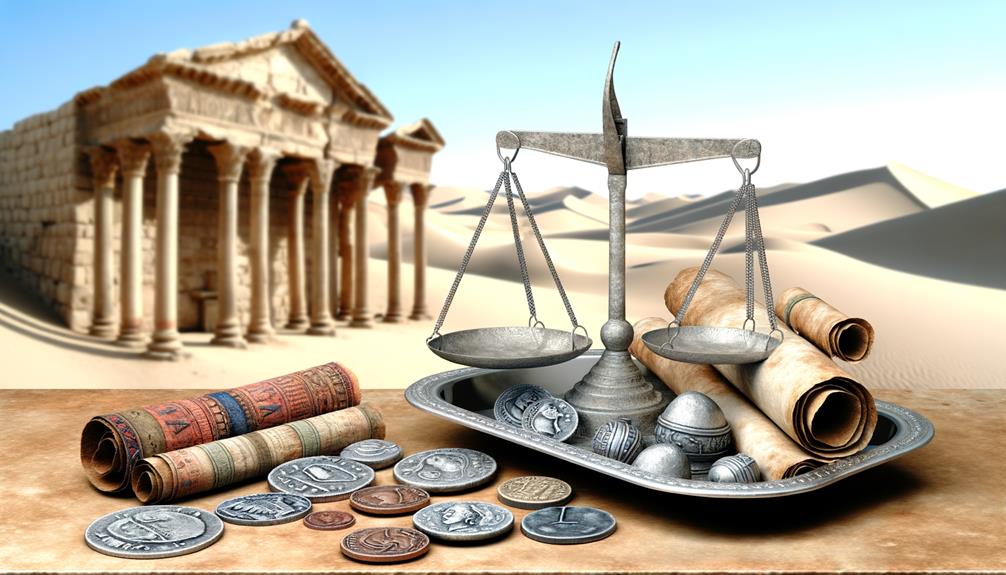
Emerging as a significant unit of weight and currency in ancient Mesopotamian civilizations, the shekel’s influence extended far beyond mere economic transactions, permeating social, religious, and political spheres throughout biblical history. The legacy of the shekel is multifaceted, reflecting its enduring impact.
- Religious Significance: The shekel was integral in temple offerings and religious ceremonies, symbolizing devotion and compliance with divine mandates.
- Political Authority: Issuance of shekels by rulers reinforced their sovereignty and facilitated administrative control.
- Economic Stability: As a standardized measure, the shekel underpinned trade, fostering economic stability and growth.
- Cultural Symbolism: The shekel became emblematic of wealth and prosperity, embedding itself in the collective consciousness of ancient societies.
This multifaceted legacy underscores the shekel’s profound historical significance.
Conclusion
The shekel, originating in ancient Mesopotamia, evolved into a multifaceted unit of currency and weight, integral to trade, religious practices, and daily life in biblical times.
Its significance is underscored in religious texts and sacrificial rites, reflecting broader socio-economic structures.
The shekel’s enduring legacy persists, akin to the influence of the blockchain in contemporary finance, offering insights into ancient economic systems and cultural practices.
The historical impact of the shekel remains a subject of scholarly interest and analysis.