
Strove Meaning In The Bible: Contending in Faith
In the Bible, the term ‘strove‘ reflects a profound engagement with spiritual and ethical challenges. It is rooted in Hebrew and Greek, denoting struggle and contention.
In the Old Scriptures, figures like Jacob wrestle for divine blessings (Genesis 32:24-30), highlighting the tension between human effort and spiritual aspiration. The New Scriptures urges believers to ‘fight the good fight‘ (1 Timothy 6:12), showcasing perseverance amidst trials.
Historical context enriches these narratives, illustrating the relentless pursuit of righteousness through divine and human synergy. For a deeper exploration of these spiritual paradigms, the biblical stories offer rich, transformative insights.

Key Takeaways
- ‘Strove’ denotes struggle or effort against divine mandates, emphasizing human endeavors towards righteousness.
- In the Old Testament, it often signifies contention for blessings and battling inner turmoil, as seen with Jacob (Genesis 32:24-30).
- In the New Testament, it illustrates internal and communal efforts to maintain spiritual integrity, highlighted by Paul’s exhortation to ‘fight the good fight’ (1 Timothy 6:12).
- Biblical narratives of ‘strove’ underscore the interplay between human resilience and divine intervention, exemplified by figures like Job and Moses.
Definition of ‘Strove’
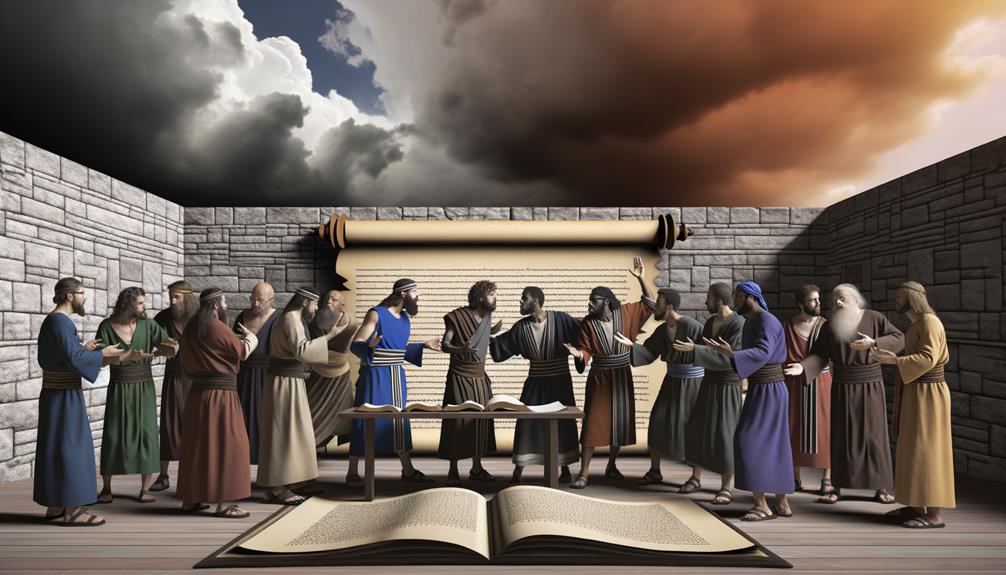
In the biblical context, ‘strove’ is derived from the Hebrew and Greek terms that denote a form of struggle, contention, or earnest effort, often in relation to moral, spiritual, or physical challenges.
This term appears in various narratives, illustrating the complexities of human endeavors against divine mandates or personal adversities.
For instance, Jacob’s wrestling with the angel in Genesis 32:24-30 symbolizes an intense spiritual effort for blessing and transformation.
Similarly, in the New Covenant, Paul’s exhortations in 1 Corinthians 9:25 emphasize the Christian’s need to work hard for spiritual discipline and moral integrity.
Such scriptural instances highlight ‘strove’ as a profound engagement in striving towards righteousness, embodying the perennial human quest for divine favor and ethical conduct.
Etymology and Origins

The etymology of ‘strove’ traces back to the Old English word ‘strifan,’ which means to endeavor or quarrel, and further finds its roots in the Proto-Germanic ‘strīthan.’ This reflects a deep history of linguistic evolution that underscores its biblical usages in describing moral and spiritual struggles.
This term, imbued with connotations of effort and conflict, captures the essence of human experience as depicted in sacred scriptures. By understanding its etymological journey, one gains insight into the ancient contexts where exerting effort signified not just physical exertion but also profound spiritual contests.
This historical perspective enriches our comprehension of biblical narratives, highlighting how the act of exerting effort is both a thematic and existential element within the spiritual discourse of the Bible.
‘Strove’ in Old Testament

Frequently appearing within the Old Scriptures, the term ‘strove‘ encapsulates the profound struggles and conflicts experienced by biblical figures as they navigate their faith and moral duties.
This term, often found in narratives such as Jacob wrestling with the angel (Genesis 32:24-30), signifies not merely physical confrontation but deeper spiritual and ethical battles.
The Hebrew word often translated as ‘strove’ can denote contention, endeavoring for blessings, or battling inner turmoil.
For instance, the Israelites’ continuous endeavoring with God and Moses during the Exodus reflects their fluctuating faith and obedience (Exodus 17:2).
Therefore, ‘strove’ in the Old Testament context embodies the dynamic tension between human frailty and divine purpose, illuminating the arduous journey towards righteousness.
‘Strove’ in New Testament
While the Old Scripture mainly portrays ‘strove’ through tangible and spiritual struggles, the New Covenant reframes this term to emphasize the internal and communal efforts of early Christians to uphold their faith amidst growing external pressures.
The Greek term ‘agonizomai,’ often translated as ‘strive,’ appears in passages like 1 Timothy 6:12, urging believers to ‘fight the good fight of faith.’ This struggle is not against physical adversaries but against spiritual complacency and doctrinal corruption.
Paul’s epistles frequently highlight the need for perseverance and unity within the Christian community, reflecting the external threats from Roman persecution and internal discord.
Therefore, ‘strove’ in the New Covenant encapsulates a profound, collective endeavor to remain steadfast in spiritual integrity and communal harmony.
Examples of Conflict
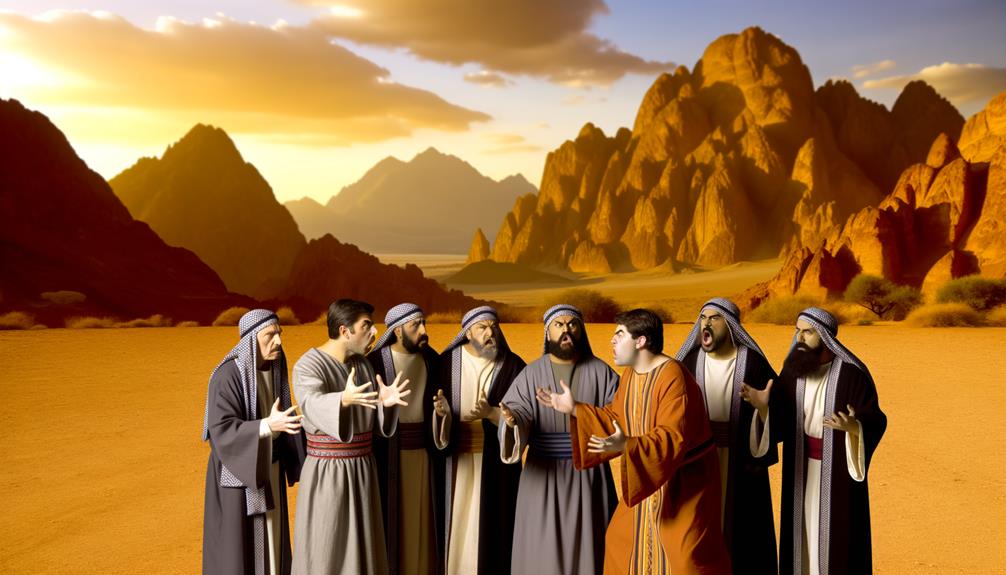
Numerous instances of conflict in the Bible underscore the profound struggles faced by early Christians, both internally within their communities and externally from surrounding societal forces.
Internally, the early church grappled with doctrinal disputes, as seen in Acts 15:1-2, where the Jerusalem Council addressed the contentious issue of Gentile circumcision.
Externally, Christians confronted persecution, vividly illustrated in Acts 7:54-60 with Stephen’s martyrdom.
These conflicts reveal the dynamic tension between maintaining faith and steering through societal pressures.
Theologically, such strife reflects the inherent challenges in living out Christ’s teachings.
Historically, these conflicts highlight the nascent church’s efforts to define its identity amidst a pluralistic and often hostile environment, emphasizing the resilience required to uphold their spiritual convictions.
Instances of Perseverance

Instances of perseverance in the Bible highlight the unwavering determination of key figures such as Job, Moses, and Paul, who faced tremendous adversities yet remained steadfast.
These examples underscore how faith provided the strength to overcome trials, illustrating a profound theological principle that resilience in the face of hardship is deeply rooted in trust in God.
Analyzing these narratives offers rich insights into the interplay between divine providence and human fortitude.
Biblical Figures’ Determination
Throughout the Bible, the unwavering determination of various figures underscores the profound faith and resilience that characterize their spiritual journeys.
Moses, for instance, demonstrated relentless perseverance as he led the Israelites out of Egypt, steering forty years of trials in the wilderness (Exodus 3-14).
Similarly, Nehemiah’s steadfast dedication to rebuilding Jerusalem’s walls, despite opposition and immense challenges, epitomizes unyielding commitment (Nehemiah 2-6).
The apostle Paul, enduring numerous hardships, maintained his mission to spread the gospel, epitomizing spiritual tenacity (2 Corinthians 11:23-28).
These biblical accounts not only highlight individual resolve but also reflect a broader theological narrative: that perseverance, fueled by faith, is integral to fulfilling divine purposes.
Such determination serves as an enduring proof of the strength derived from unwavering faith.
Overcoming Adversity Examples
Building on the theme of unwavering determination, the Bible provides compelling narratives of individuals overcoming adversity through steadfast faith and divine assistance.
Consider Joseph, whose journey from betrayal by his brothers to becoming a powerful leader in Egypt exemplifies resilience (Genesis 37-50). His faith sustained him through slavery and imprisonment, culminating in the salvation of his family during famine.
Similarly, Job’s story is a profound indication of enduring faith amidst severe trials (Book of Job). Despite immense suffering, Job’s unwavering trust in God led to eventual restoration.
These accounts, grounded in historical contexts and theological richness, underscore that perseverance, coupled with faith, can transcend even the most intimidating challenges, reflecting the biblical ethos of enduring hope and divine providence.
Faith in Trials
The Bible profoundly illustrates the resilience of faith through narratives where individuals endure trials with unwavering trust in divine providence.
Job, for instance, remains steadfast despite immense suffering, embodying the epitome of faith amid adversity (Job 1-2).
Similarly, Daniel’s unwavering devotion in the lion’s den (Daniel 6) exemplifies perseverance under persecution.
The Apostle Paul, chronicled in his epistles, consistently underscores the importance of maintaining faith through hardships (2 Corinthians 11:23-28).
These instances echo the foundational tenet that faith, tested through trials, emerges fortified.
Such scriptural accounts not only offer theological insights into the nature of divine testing but also provide historical context, highlighting the timeless relevance of perseverance in the spiritual journey.
Symbolism and Themes

The concept of endeavoring in the Bible often encapsulates the themes of conflict and resolution, as well as spiritual struggle, reflecting the broader narrative of humanity’s relationship with the divine.
Through scriptural passages, such as Jacob wrestling with the angel (Genesis 32:24-30) and Paul’s exhortations to ‘fight the good fight of faith’ (1 Timothy 6:12), the act of endeavoring symbolizes an enduring commitment to faith amidst adversity.
These instances serve as theological metaphors for the believer’s journey toward spiritual maturity and ultimate reconciliation with God.
Conflict and Resolution
Examining the theme of conflict and resolution in biblical texts reveals how divine intervention and human agency interplay to convey profound spiritual lessons. Instances like Jacob wrestling with the angel (Genesis 32:24-30) symbolize the transformative struggle between human frailty and divine will. This narrative underscores the importance of perseverance and faith in overcoming life’s trials.
Similarly, the story of David and Goliath (1 Samuel 17) epitomizes the triumph of faith and divine support over seemingly insurmountable odds. Historical context enriches these accounts, revealing cultural understandings of divine justice and human resilience.
Scriptural analysis uncovers layers of meaning, illustrating that conflicts, whether internal or external, serve as catalysts for spiritual growth and eventual resolution through divine grace.
Spiritual Struggle
Moving from the examination of biblical conflict and resolution, spiritual struggle in the scriptures often employs rich symbolism and profound themes to depict the believer’s journey toward divine communion.
The wrestling of Jacob with the angel (Genesis 32:24-30) symbolizes the intense personal and spiritual battles one must face. Similarly, Paul’s exhortation to ‘fight the good fight of faith’ (1 Timothy 6:12) underscores the lifelong endeavor against spiritual adversaries and inner turmoil.
These narratives highlight themes of perseverance, divine testing, and ultimate transformation. Historical contexts, such as the Israelites’ exodus from Egypt, further illustrate communal struggles against oppression and idolatry, embodying the broader human quest for spiritual liberation and covenantal fidelity.
Through these symbols and themes, scripture invites believers into deeper spiritual reflection and growth.
Lessons for Modern Readers

Understanding the biblical concept of ‘endeavoring’ offers modern readers valuable insights into the perseverance and faithfulness required in their spiritual journeys. The Bible presents numerous examples where endeavoring is synonymous with a relentless pursuit of righteousness, often in the face of adversity. These lessons underscore the importance of resilience and dedication in one’s faith.
| Biblical Figure | Lesson for Modern Readers |
|---|---|
| Jacob | Persistence in prayer and struggle leads to divine blessing. |
| Paul | Endurance in faith, even amidst trials, strengthens spiritual resolve. |
| Moses | Leadership demands unwavering commitment to God’s commands. |
| David | Seeking God’s guidance in battles—both physical and spiritual. |
| Jesus | Ultimate example of endeavoring through suffering to fulfill divine purpose. |
Theological Implications

The theological implications of ‘strove’ in the Bible extend beyond mere human effort, highlighting a divine partnership in the pursuit of righteousness and spiritual growth.
Scripturally, striving often involves a synergy between human will and divine grace. For example, Jacob’s wrestling with the angel (Genesis 32:24-30) symbolizes an earnest struggle for divine blessing and transformation, reflecting a deeper spiritual endeavor.
Historically, the concept underscores the necessity of both human agency and reliance on God’s providence. Apostle Paul’s exhortations to ‘strive for the faith’ (Philippians 1:27) indicate that spiritual maturity requires perseverance underpinned by divine strength.
Consequently, ‘strove’ encapsulates a dynamic interplay where human striving is met with God’s enabling power, fostering a holistic journey toward sanctification.
Conclusion
The term ‘strove,’ rich in etymological heritage and biblical context, serves as a mirror reflecting humanity’s perpetual struggle and perseverance.
Within the sacred texts, this word embodies conflict and endurance, resonating through tales of ancient strife and divine fidelity.
As a parable of human endeavor, ‘strove’ underscores the quintessential journey of faith and determination.
Modern readers may find in its symbolism a timeless lesson on the relentless pursuit of spiritual and moral fortitude.