Meaning of Damascus in Bible: Ancient Transformation
Damascus, one of the oldest continuously inhabited cities, holds significant importance in the Bible, underpinning both historical and theological narratives. In the Old Scripture, it appears as a military and prophetic focus, particularly in relation to Abraham and King David, and in prophecies by Isaiah and Jeremiah foretelling its destruction.
The New Testament recounts Saul’s transformative encounter on the road to Damascus, a seminal event in Christian history. These accounts collectively underscore its enduring role in divine judgment, redemption, and prophecy.
To grasp the full extent of Damascus’s impact across biblical texts, one might explore further details and their broader implications.

Key Takeaways
- Historical Importance: Damascus is one of the oldest continuously inhabited cities, significant in trade and cultural exchanges.
- Old Testament References: Mentioned in Genesis, 2 Samuel, and prophetic books like Isaiah, highlighting its military and strategic significance.
- New Testament Event: Saul’s conversion to Paul on the road to Damascus is a pivotal moment in Christian history.
- Prophetic Judgments: Prophets like Isaiah, Jeremiah, and Amos predict divine judgment and destruction of Damascus.
Historical Context of Damascus
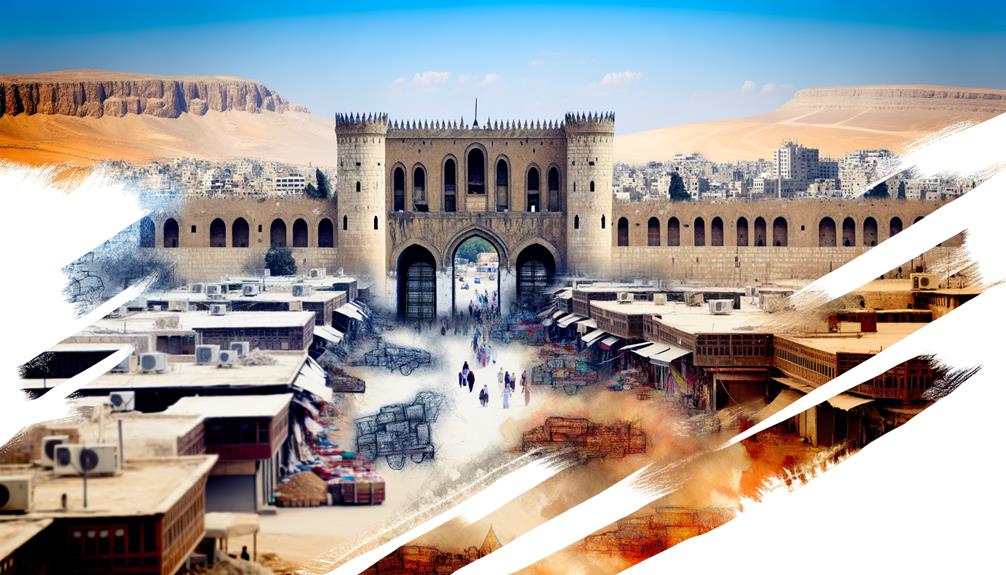
Damascus, one of the oldest continuously inhabited cities in the world, holds significant historical importance in both biblical and ancient Near Eastern contexts.
Situated at a strategic crossroads, Damascus served as a crucial commercial and cultural hub. Archaeological evidence indicates that the city has been inhabited since at least the third millennium BCE.
Its prime location fostered interactions among diverse civilizations, including the Arameans, Assyrians, and Egyptians. The city’s sustained prominence is attributed to its fertile surroundings and access to trade routes linking Mesopotamia, Egypt, and the Mediterranean.
In addition, Damascus’ integration into various empires provided it with a multifaceted historical identity, reflecting a tapestry of cultural and political influences that underscore its enduring significance in regional history.
Damascus in the Old Testament
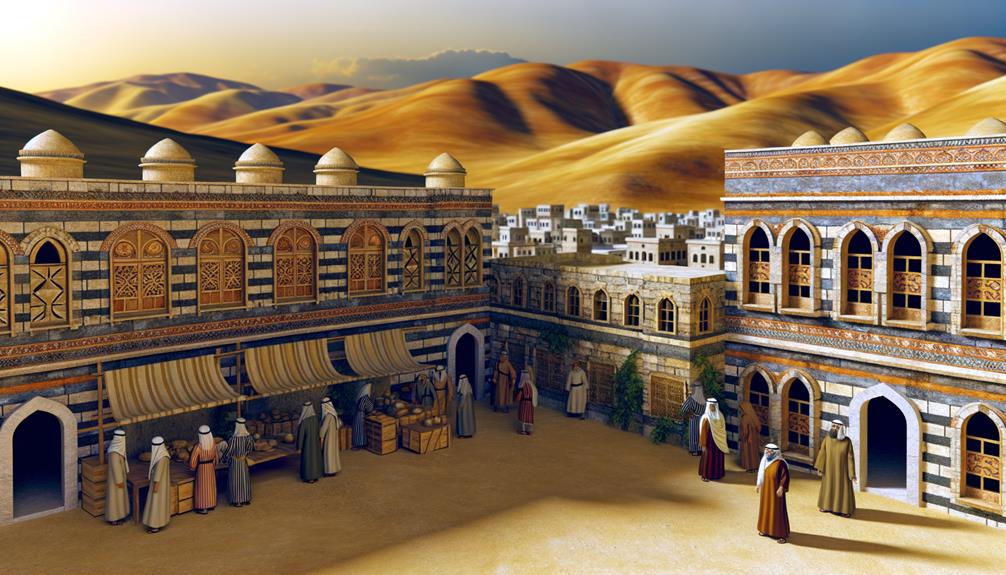
Within the Old Scripture, the city of Damascus emerges as a focal point in various narratives, reflecting its strategic and cultural significance in the ancient Near East.
Significantly, Damascus is first mentioned in Genesis 14:15, where Abraham pursues the kings who captured Lot. The city later appears prominently in the accounts of the Aramean kingdom, particularly in 2 Samuel 8:5-6, where King David defeats the Arameans of Damascus.
Additionally, the prophetic literature, such as Isaiah 17:1, pronounces judgments against Damascus, underscoring its political and religious relevance.
These references collectively highlight Damascus as a vital nexus of interaction between Israel and neighboring entities, emphasizing its enduring historical and theological importance within the Old Scriptures narrative.
Damascus in the New Testament

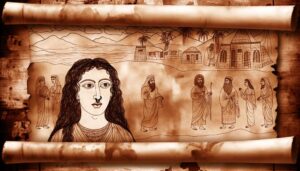
A critical moment in the New Scriptures narrative involving the city is the transformative journey of Saul on the road to Damascus, as recounted in Acts 9:1-19. This passage marks a seminal event in Christian history, where Saul, a fervent persecutor of Christians, experiences a divine encounter.
Struck by a blinding light and addressed by Jesus, Saul undergoes a profound spiritual conversion, subsequently becoming Paul the Apostle. This dramatic event underscores Damascus as a pivotal locale for early Christian narrative and theology.
It symbolizes both physical and spiritual journeys, reflecting themes of redemption and divine intervention. Consequently, Damascus emerges not merely as a geographical setting but as a significant catalyst for the spread of Christianity.
Prophetic Significance of Damascus

Embedded within the biblical narrative, the prophetic significance of Damascus is highlighted through various prophetic texts, particularly in the Book of Isaiah and the Book of Jeremiah, which foretell its eventual downfall and destruction.
Analyzing these prophecies reveals several key aspects:
- Isaiah 17:1 – This verse proclaims that Damascus will cease to be a city and become a heap of ruins.
- Jeremiah 49:24-27 – These verses depict the fear and anguish that will befall Damascus, predicting its burning and abandonment.
- Amos 1:3-5 – Amos speaks of divine retribution against Damascus for its transgressions.
- Zechariah 9:1 – This prophecy includes Damascus in the context of a broader judgment against surrounding nations.
Understanding these elements provides a deeper insight into the theological and historical import of Damascus within biblical prophecy.
Modern Implications for Believers

Frequently, modern believers reflect on the prophecies concerning Damascus to draw parallels and insights relevant to contemporary spiritual and geopolitical contexts. The ancient city, often a symbol of divine judgment and redemption, still resonates in today’s world where conflict and restoration are prevalent themes. By examining these prophecies, believers can gain a deeper understanding of God’s sovereignty and the unfolding of His plans in the modern era.
| Aspect | Modern Implications |
|---|---|
| Divine Judgment | Encourages introspection and moral accountability |
| Geopolitical Context | Highlights the ongoing relevance of biblical sites |
| Spiritual Reflection | Promotes personal and communal spiritual growth |
| Prophecy Fulfillment | Reinforces faith in biblical accuracy and promises |
This reflective approach fosters a balanced perspective on contemporary events in light of biblical prophecy.
Conclusion
The city of Damascus, a linchpin of biblical narrative, emerges as a location of unparalleled historical and prophetic significance. Its presence in both the Old and New Scriptures underscores its enduring relevance.
The prophetic declarations associated with Damascus amplify its theological weight, foreshadowing events of monumental impact.
For contemporary believers, the lessons and prophecies linked to Damascus serve as a profound, almost cosmic, reminder of the intricate tapestry woven through biblical history and its implications for the present and future.