
Meaning of Tobias in the Bible: God Is Good
Tobias, derived from the Hebrew ‘Toviyyah’ meaning ‘God is good,’ is a significant character in the biblical Book of Tobit. His story exemplifies profound themes of faith, divine providence, and familial loyalty within the Judeo-Christian tradition.
Set during the Assyrian captivity, the narrative follows Tobias on a divinely guided journey with the angel Raphael, culminating in divine interventions that restore his family’s fortunes and heal his father’s blindness. Tobias’s marriage to Sarah symbolizes the transformative power of faith and divine favor.
The theological insights and rich symbolism embedded in Tobias’s story offer an enriching understanding of God’s care for the righteous.

Key Takeaways
- Tobias means ‘God is good,’ derived from the ancient Hebrew name ‘Toviyyah.’
- He is the faithful son of Tobit in the Book of Tobit, embodying righteousness and divine favor.
- Tobias’s journey with the angel Raphael highlights themes of divine guidance and spiritual maturation.
- His marriage to Sarah symbolizes divine intervention, faith, and hope amidst trials.
Origin of the Name Tobias

The origin of the name Tobias can be traced back to ancient Hebrew, where it is derived from the name ‘Toviyyah,’ meaning ‘God is good.’
This etymology is deeply rooted in the theological traditions of Judaism, reflecting a profound acknowledgment of divine benevolence.
Historically, names in Hebrew culture were not mere identifiers but carried significant meanings that often reflected the individual’s relationship with God.
The name ‘Toviyyah’ embodies an expression of gratitude and recognition of divine favor, indicative of a culture that intimately wove spirituality into daily life.
This theological insight offers a glimpse into the reverence ancient Hebrews held for God’s goodness, illuminating the name’s enduring popularity and its continued resonance in religious traditions.
Biblical References to Tobias
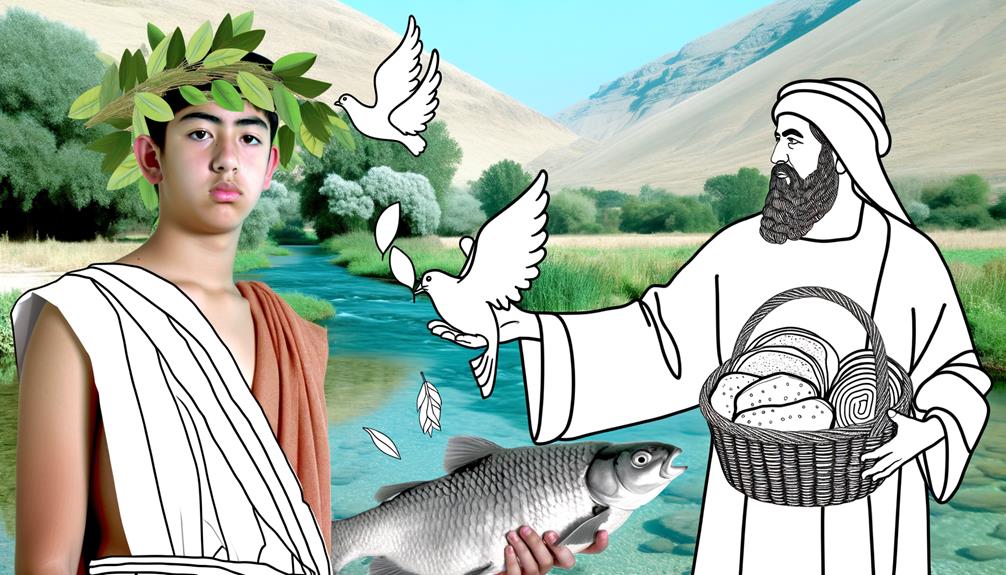
The figure of Tobias emerges prominently within the Old Scripture’s Book of Tobit, where he is depicted not only as the faithful son of Tobit but also as an exemplar of piety and divine favor.
His narrative encapsulates themes of family loyalty, divine intervention, and the fulfillment of God’s promises amidst trials.
Through Tobias’s journey and actions, the text underscores theological insights into the concepts of righteousness and divine providence in the Judeo-Christian tradition.
Tobias in Old Testament
Rooted in the historical and theological context of the Old Scriptures, the name Tobias emerges prominently in the Book of Tobit, which presents him as the son of Tobit, embodying themes of faith, righteousness, and divine intervention.
The narrative situates Tobias in the post-exilic period, reflecting the Judaic values and societal structures of that era, underscoring the covenantal relationship between God and His people.
Tobias is not merely a character but a vessel through which divine providence and moral integrity are illustrated.
His story is interwoven with significant theological motifs such as angelic guidance and filial piety, highlighting the enduring nature of divine faithfulness and human virtue within the biblical canon.
Role in Book of Tobit
Within the Book of Tobit, Tobias’s role is pivotal as he sets out on a divinely guided journey that encapsulates the themes of faith, obedience, and divine intervention. His quest, initiated by his father Tobit to retrieve family wealth, unfolds with angelic accompaniment by Raphael.
This journey not only signifies physical travel but also spiritual maturation, illustrating the dynamic interplay between human agency and divine providence. Tobias’s obedience to divine and paternal instructions showcases his steadfast faith.
His marriage to Sarah, plagued by demonic affliction, and subsequent healing through Raphael’s guidance highlights the transformative power of faith. The narrative positions Tobias as an exemplar of righteousness and divine reliance, reinforcing the theological message of God’s unwavering support for the faithful.
The Book of Tobit Overview
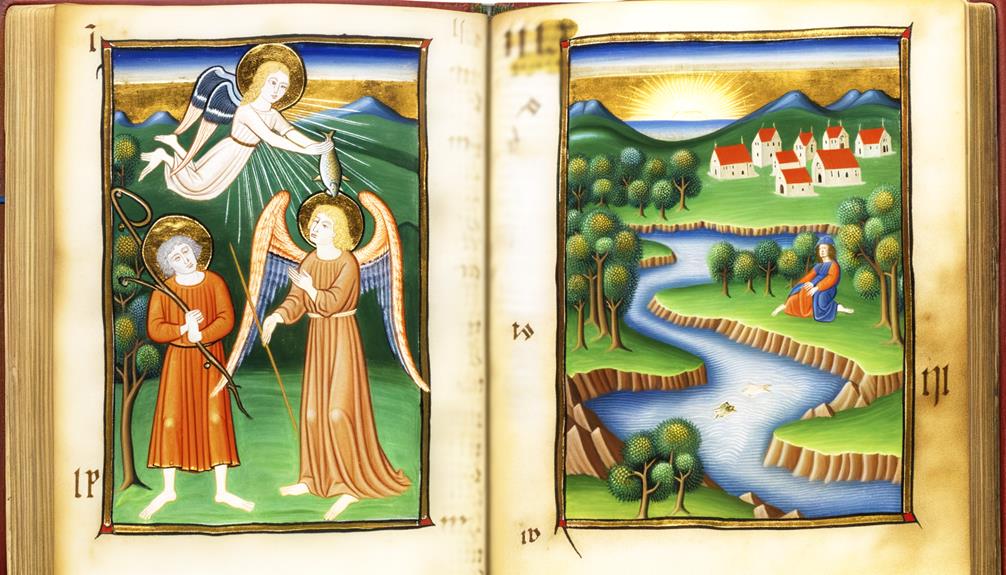
The Book of Tobit, a narrative situated in the era of the Assyrian captivity, presents a profound exploration of Tobit’s unwavering faith amidst severe trials, including blindness and exile.
Central to the narrative is the theme of divine intervention, manifesting through the Archangel Raphael, who guides and heals both Tobit and his son Tobias.
This text intricately intertwines themes of piety, familial loyalty, and divine providence, offering rich theological insights into God’s care for the righteous.
Tobit’s Faith and Trials
Tobit’s unwavering faith is profoundly tested through a series of adversities, providing a rich narrative that explores themes of piety, perseverance, and divine intervention in the Book of Tobit.
Strikingly devout, Tobit remains committed to Jewish laws during the Assyrian exile, emphasizing his adherence to religious duties despite external pressures.
His trials, including blindness and financial ruin, serve as a crucible, refining his character and highlighting the intersection of human suffering and faith.
Tobit’s response to his misfortunes, characterized by prayer and almsgiving, reflects a theological assertion of righteousness amid tribulation.
This narrative underscores the resilience of faith, suggesting that steadfast devotion can transcend earthly hardships, embodying a profound theological lesson on the merits of spiritual endurance.
Divine Guidance and Healing
Integral to the narrative of the Book of Tobit is the profound theme of divine guidance and healing, manifesting through the angel Raphael‘s interventions and the miraculous restoration of Tobit’s sight.
Historically situated during the Assyrian exile, the text underscores the theological belief in God’s providence.
Raphael, disguised as a human, leads Tobias on a journey that culminates in healing both Tobit’s blindness and Sarah’s affliction from a demon.
This narrative demonstrates the interplay between human obedience and divine intervention.
It highlights the notion that faith and righteousness invite divine assistance, thereby reaffirming the enduring covenant between God and His people.
The healing of Tobit symbolizes not only physical restoration but also spiritual renewal, reinforcing the theme of redemption.
Tobias and His Family

Tobias, the central figure in the Book of Tobit, is intricately connected to his family’s devout faith and their trials, which provide profound insights into the themes of divine providence and piety within the biblical narrative.
Tobias’ father, Tobit, exemplifies righteousness and steadfastness despite suffering blindness and financial ruin. His mother, Anna, embodies resilience and unwavering support. The family’s adherence to Jewish customs and almsgiving amidst their suffering highlights their commitment to divine law and trust in God’s plan.
Tobias’ journey to retrieve a family debt and his eventual marriage to Sarah, who is also beset by misfortune, further underscore the intertwining of familial loyalty, divine intervention, and moral integrity central to their story.
Themes of Faith in Tobias’ Story
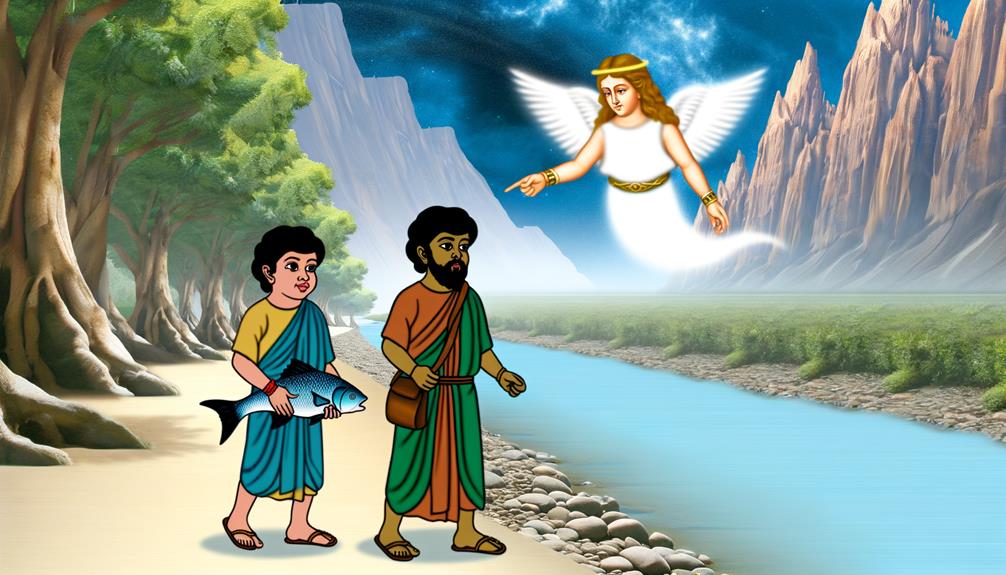
Exploring the themes of faith in the story of Tobias reveals a profound narrative where divine providence, unwavering piety, and the human condition are meticulously intertwined.
Set within the context of the Babylonian exile, Tobias’ faithfulness is emblematic of the Jewish experience of maintaining religious devotion amid adversity. His journey is not only geographical but also spiritual, emphasizing the importance of steadfastness in faith.
Tobias’ acts of charity, adherence to the Law, and filial piety underscore his deep-seated conviction in God’s righteousness.
The narrative also reflects a theological exploration of suffering, trust, and redemption, portraying faith as a dynamic interplay between divine promise and human response, thereby offering rich insights into Judeo-Christian understandings of piety and perseverance.
Divine Intervention in Tobias’ Life
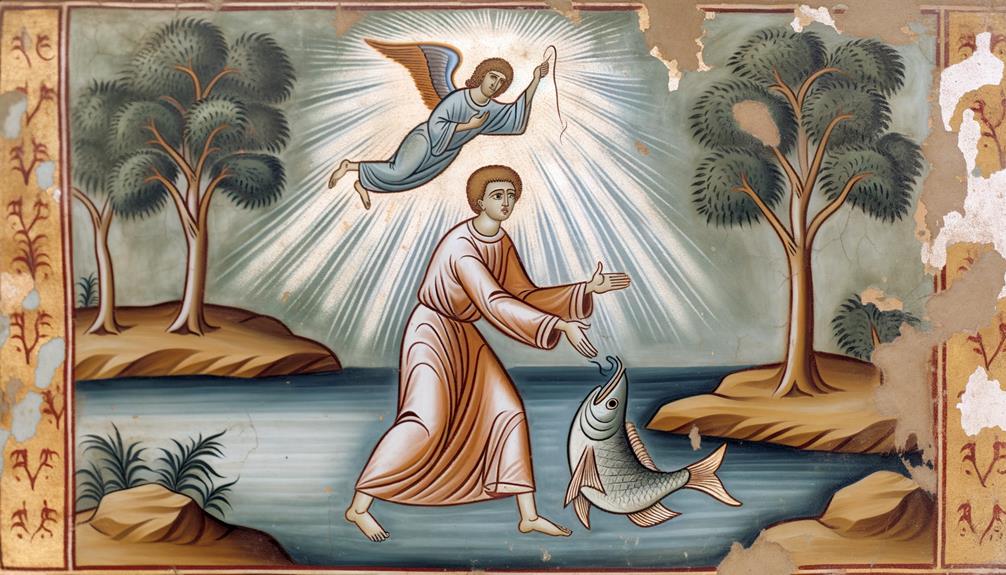
The narrative of Tobias’ unwavering faith seamlessly converges with the instances of divine intervention that punctuate his journey, highlighting the intrinsic relationship between human devotion and God’s active role in guiding and protecting His faithful.
In the Book of Tobit, divine intervention manifests through the archangel Raphael, who accompanies Tobias, providing wisdom and safeguarding him from peril. This divine presence underscores the theological theme that God is intimately involved in the lives of the devout, orchestrating events to fulfill His purposes.
Historically, this reflects the Jewish understanding of God’s providence during the Exilic period, emphasizing that even in foreign lands and trying circumstances, divine assistance is readily available.
Consequently, Tobias’ story becomes a witness to the symbiotic relationship between faith and divine guardianship.
Tobias’ Journey and Adventures

Throughout his journey, Tobias encounters a series of profound challenges and miraculous events that not only test his faith but also illustrate the broader theological themes of divine guidance and providence.
Accompanied by the archangel Raphael, Tobias sets out on a mission to retrieve a sum of money for his blind father, Tobit.
Historical context places this narrative within the post-exilic period, reflecting the Jewish diaspora’s struggles and divine reliance.
Theologically, Tobias’ journey symbolizes the righteous path guided by divine intervention, as seen when Raphael aids him in defeating a demon and curing his father’s blindness.
These events underscore the belief in an omnipresent God who actively participates in the lives of the faithful, ensuring their spiritual and temporal well-being.
Significance of Tobias’ Marriage

As Tobias continues to navigate the complexities of his faith-driven journey, his marriage to Sarah emerges as a pivotal moment that intertwines divine purpose and personal fulfillment.
Historically, this union addresses Sarah’s plight, as she had been tormented by a demon that killed her previous suitors.
Theologically, their marriage signifies divine intervention, facilitated by the angel Raphael, who guides Tobias to vanquish the demon through faith and ritual.
This sacred bond underscores themes of redemption and divine favor, as both Tobias and Sarah are depicted as instruments in a larger divine narrative.
Their union not only symbolizes the triumph of faith but also emphasizes the importance of divine guidance and righteousness in personal and communal restoration.
Symbolism in Tobias’ Story
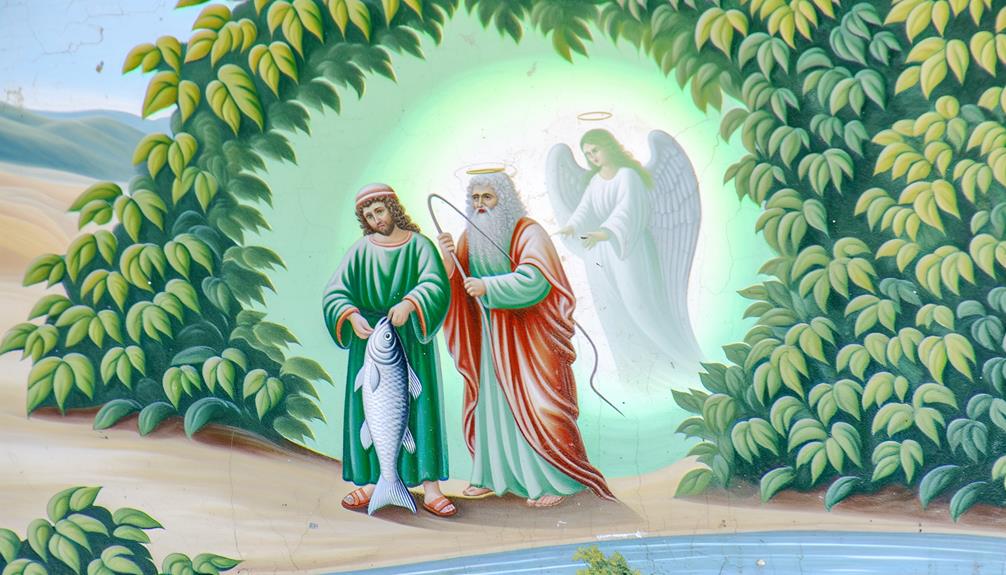
Illuminating the narrative’s rich tapestry, the symbolism in Tobias’ story reveals profound theological insights and historical contexts that underscore the enduring power of divine providence and human faith.
The following elements symbolize deeper meanings:
- The Journey: Tobias’ travel symbolizes the pilgrimage of life, fraught with challenges yet guided by divine wisdom.
- The Fish: The miraculous fish represents God’s provision and the unexpected ways through which divine help manifests.
- Sarah’s Deliverance: Sarah’s liberation from demonic possession signifies hope and restoration, reinforcing the power of faith and prayer.
- Tobit’s Healing: The curing of Tobit’s blindness is symbolic of spiritual enlightenment and the removal of ignorance through divine intervention.
These symbols collectively highlight the interplay between divine grace and human agency.
Tobias in Religious Tradition
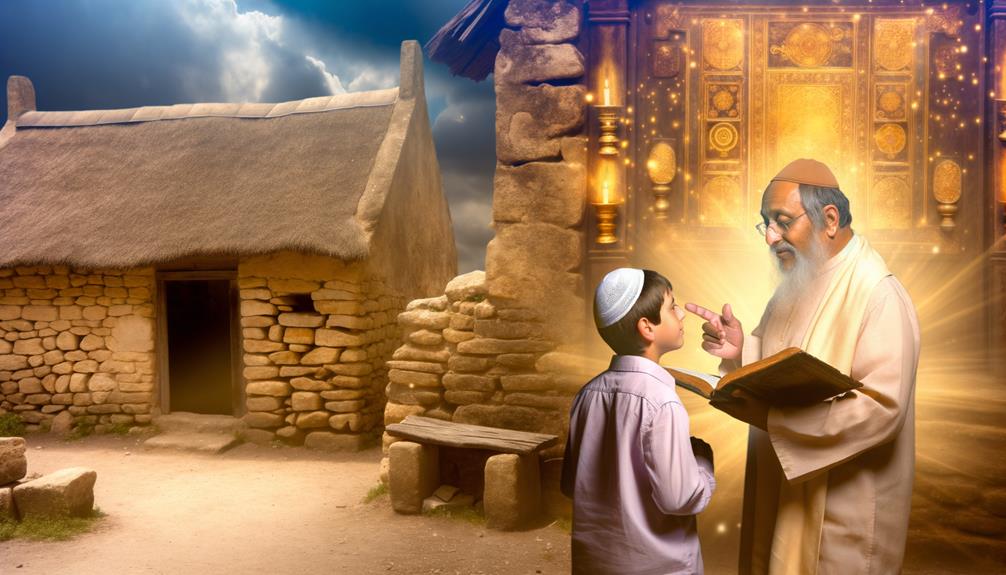
In numerous religious traditions, the figure of Tobias is revered as a paragon of virtue and faith, embodying the timeless virtues of obedience, trust in divine guidance, and the transformative power of piety.
Tobias’ journey, as detailed in the Book of Tobit, illustrates the profound theological themes of providence and angelic intervention. His unwavering commitment to filial duty and adherence to divine mandates underscore the religious principle of righteousness rewarded.
Historically, Tobias’ narrative has been a focal point in Jewish and Christian teachings, offering a didactic model for moral conduct. Theologically, his experiences underscore the importance of faith and the redemptive nature of suffering, making Tobias an enduring symbol of devout perseverance and divine favor in religious tradition.
Cultural Impact of the Name Tobias

Building upon the rich theological and moral legacy of Tobias in religious tradition, the name Tobias has permeated various cultural landscapes, illustrating its enduring significance and multifaceted impact across history and society.
This influence can be observed in several domains:
- Literature: The name Tobias appears in classic literature, symbolizing virtue and divine guidance.
- Art: Renaissance paintings often depict Tobias, emphasizing themes of faith and divine intervention.
- Popular Culture: Modern films and television shows sometimes feature characters named Tobias, reflecting its timeless appeal.
- Naming Trends: The name Tobias remains a popular choice for newborns, signifying a connection to its historical and biblical roots.
These diverse manifestations highlight Tobias’s profound and lasting cultural resonance.
Conclusion
The narrative surrounding Tobias, embedded within the annals of biblical tradition and the Book of Tobit, serves as a profound allegory of divine providence, familial loyalty, and spiritual fortitude.
Through the intricate tapestry of his experiences—ranging from his journey and marriage to the underlying themes of faith—the story of Tobias transcends mere historical record, becoming a vessel for enduring theological reflection and cultural resonance.
The enduring legacy of Tobias therefore encapsulates a timeless witness to the interplay between faith and fortune.