
Cistern Meaning in the Bible: Storage and Symbolism
In the biblical context, cisterns are essential water storage structures, often hewn from rock, vital for survival in arid environments. Beyond their practical use, they carry profound spiritual symbolism.
In Jeremiah 2:13, broken cisterns represent futile human efforts and the abandonment of God’s provision, emphasizing divine sustenance over self-reliance. Cisterns also appear in Genesis 37:24, symbolizing betrayal when Joseph was cast into one by his brothers.
These references highlight themes of trust, sustenance, and spiritual neglect, illustrating the need for a deeper connection with God. To explore the richer layers of this symbolism, there is much more to uncover.

Key Takeaways
- Cisterns in the Bible symbolize God’s provision and spiritual sustenance, reflecting divine reliability.
- Broken cisterns represent the futility of seeking fulfillment outside God’s covenant, as seen in Jeremiah 2:13.
- Cisterns were crucial for survival in arid regions, showcasing advanced hydrological engineering in biblical times.
- Joseph’s imprisonment in a cistern in Genesis 37:24 symbolizes betrayal and abandonment.
Historical Context of Cisterns
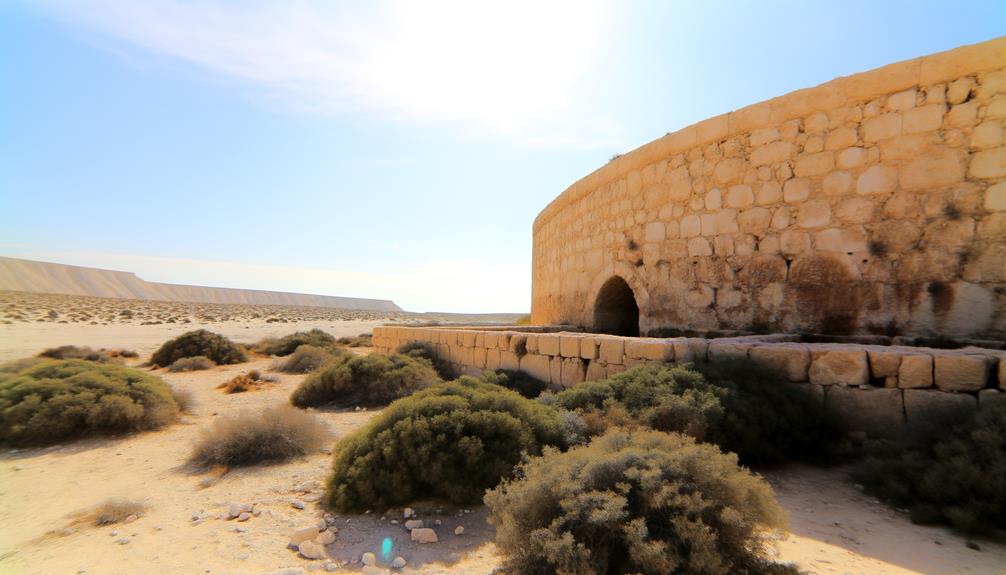
How did ancient civilizations manage their water resources in arid regions, especially in biblical times? Theologically, water represented life and divine provision.
Historical records and scriptural narratives reveal that ancient communities ingeniously devised methods to survive harsh climates. In arid regions, cisterns played a pivotal role.
The Bible frequently references these water storage systems, highlighting their importance for sustenance and ritual purity. For instance, Jeremiah 2:13 metaphorically speaks of “broken cisterns,” symbolizing forsaken divine sustenance.
Additionally, archaeological findings corroborate the extensive use of cisterns, demonstrating the advanced hydrological engineering of biblical societies. These cisterns, often hewn from rock or lined with plaster, were strategically located to maximize rainwater collection, ensuring survival amidst environmental challenges.
Cisterns as Physical Structures

Cisterns, as physical structures in biblical times, were meticulously crafted to guarantee the efficient collection and preservation of water, embodying both the ingenuity of ancient hydrological engineering and the theological significance of water as a divine gift.
These subterranean reservoirs were often hewn from rock or constructed with plaster-lined walls to prevent seepage, reflecting an advanced understanding of water management.
Scriptural references, such as in Jeremiah 2:13 and 38:6, illustrate their prevalent use and critical role in daily life.
The labor-intensive process of building cisterns underscores their importance, especially in arid regions where rainfall was scant.
Consequently, cisterns not only fulfilled practical needs but also symbolized sustenance and survival, serving as tangible manifestations of divine provision.
Symbolism in the Old Testament

In the Old Scripture, cisterns often symbolize both physical and spiritual sustenance, reflecting their critical role in survival within arid landscapes.
Scripturally, these structures are frequently utilized metaphorically to represent the depth and reliability of God’s provision and the dire consequences of forsaking divine support.
Theological analysis reveals that broken cisterns, as mentioned in Jeremiah 2:13, epitomize the futility of seeking fulfillment outside of God’s covenant.
Source of Survival
Throughout the Old Scripture, cisterns are often depicted as essential sources of survival, symbolizing God’s provision and sustenance for His people. In arid regions, where rainfall was scarce, cisterns collected and stored precious water, ensuring life could persist even during droughts. This practice illustrates God’s grace in providing for His chosen people during times of need.
| Biblical Reference | Description |
|---|---|
| Jeremiah 2:13 | Israel forsaking God, the ‘spring of living water,’ for cracked cisterns |
| 2 Chronicles 26:10 | King Uzziah’s cisterns for livestock, symbolizing abundance |
| Genesis 37:24 | Joseph cast into an empty cistern by his brothers |
| Isaiah 36:16 | Assurance of provision through cisterns |
| Proverbs 5:15 | Metaphor for faithfulness and satisfaction |
Cisterns, therefore, underscore survival and divine care in the biblical narrative.
Spiritual Significance
Frequently, cisterns in the Old Scriptures transcend their practical function, embodying profound spiritual symbolism that reflects the people’s reliance on divine provision and faithfulness.
In Jeremiah 2:13, cisterns represent the spiritual state of Israel, where the broken cisterns symbolize the nation’s forsaking of God, the ‘fountain of living waters.’ This metaphor underscores the futility of seeking sustenance apart from divine grace.
Additionally, the story of Joseph’s imprisonment in a cistern (Genesis 37:24) serves as a motif of betrayal and deliverance, foreshadowing God’s salvific acts.
Consequently, cisterns illustrate not merely physical reservoirs but also vessels of spiritual truth, emphasizing themes of trust, sustenance, and the consequences of spiritual neglect within the covenantal relationship between God and His people.
Spiritual Lessons From Cisterns

Drawing from the biblical use of cisterns, one can gain profound insights into themes of spiritual sustenance, reliance on God, and the consequences of forsaking divine provision. Cisterns, often used in scripture as metaphors, highlight the necessity of spiritual reservoirs maintained through faith and obedience.
| Biblical Reference | Spiritual Lesson |
|---|---|
| Jeremiah 2:13 | Forsaking God leads to emptiness |
| Proverbs 5:15 | Drink from your own cistern |
| Isaiah 12:3 | Joy in drawing water from salvation |
| Psalm 36:9 | God as the fountain of life |
Historically, cisterns were essential for survival in arid regions, symbolizing the critical need for divine sustenance. Scriptural analysis reveals that neglecting one’s spiritual cistern can lead to a barren life devoid of God’s nurturing presence.
Cisterns and Divine Provision

Recognizing cisterns as a symbol of divine provision, one can see how these structures underscore the biblical theme of God’s unwavering support and sustenance for His people in times of need.
In arid regions, cisterns were essential for survival, and their presence in scripture often highlights God’s providence. For instance, in Jeremiah 2:13, God is portrayed as the ‘spring of living water,’ contrasting His eternal provision with man-made solutions.
- Theological Insight: Cisterns represent God’s provision and the importance of relying on divine sustenance.
- Historical Context: In ancient Israel, cisterns were critical for water storage, especially during droughts.
Consequences of Broken Cisterns

When these essential cisterns become broken, they symbolize the spiritual consequences of turning away from God’s eternal provision. The imagery of a broken cistern reflects the futility and despair of relying on sources other than God. Biblically, a broken cistern cannot hold water, representing the emptiness and insufficiency of human efforts compared to divine sustenance. Historically, cisterns were crucial in arid regions, underscoring the severity of their failure. Scripturally, Jeremiah 2:13 underscores this: ‘My people have committed two evils: they have forsaken Me, the fountain of living waters, and hewed out cisterns for themselves, broken cisterns that can hold no water.’
| Symbolism | Historical Context | Scriptural Insight |
|---|---|---|
| Spiritual Consequence | Crucial in Arid Regions | Jeremiah 2:13 |
| Emptiness | Essential for Life | Divine Provision |
| Futility of Idolatry | Survival Dependent | Forsaking God |
Cisterns in Prophetic Literature

In prophetic literature, cisterns often serve as powerful metaphors for the spiritual state of a community and their relationship with divine faithfulness. Prophets like Jeremiah and Isaiah evoke cistern imagery to critique the Israelites’ abandonment of God, portraying broken or empty cisterns as symbols of spiritual decay and misplaced trust.
This rich symbolism emphasizes:
- Spiritual Infidelity: Cisterns are used to illustrate Israel’s reliance on false gods and alliances.
- Divine Judgment: Prophetic texts highlight consequences such as drought, symbolizing divine judgment for turning away from God.
Thus, cisterns encapsulate the profound theological tensions and promises within prophetic messages.
Modern Interpretations of Cisterns

Modern interpretations of cisterns in biblical context often explore their symbolic resonance within contemporary theological discourse and community practices.
Theologically, cisterns are seen as metaphors for spiritual receptivity and the human condition of thirst for divine wisdom.
Historically, they evoke images of ancient survival and resourcefulness, drawing parallels with modern sustainability efforts.
Scripturally, passages such as Jeremiah 2:13, where cisterns symbolize forsaken faith, are re-examined to highlight the dangers of spiritual emptiness and the need for genuine connection with God.
Community practices today may incorporate cistern imagery in sermons and educational materials to emphasize themes of renewal, conservation, and spiritual fulfillment.
These interpretations bridge ancient texts with present-day spiritual and ecological consciousness.
Conclusion
Cisterns in biblical texts serve as profound symbols, reflecting both divine provision and human frailty.
Historically essential for water storage, these structures also embody spiritual truths, illustrating themes of reliance on God and the consequences of idolatry.
Broken cisterns signify the futility of forsaking divine sustenance for earthly substitutes.
Through theological insight, historical context, and scriptural analysis, the motif of cisterns offers a rich tapestry of lessons, underscoring the eternal need for spiritual nourishment and divine grace.