Citadel Meaning in the Bible: Fortress of Faith
In the Bible, citadels are depicted as fortified structures representing both physical and divine protection. A prominent example is David’s capture of Zion’s stronghold in 2 Samuel 5:7, leading to the establishment of the City of David.
Scripture often uses citadels metaphorically to illustrate God’s unwavering refuge, as seen in Proverbs 18:10 and Psalm 18:2. Historically, these strongholds provided strategic military advantages and safety during sieges.
They symbolize divine strength and spiritual fortitude, encouraging believers to seek God’s immutable protection and sanctuary within their faith journey. Discover more about these profound symbols of divine refuge.

Key Takeaways
- Citadels in the Bible symbolize divine protection and strength, representing God’s role as a fortress and refuge.
- They served as fortified military structures, providing physical and strategic defense for cities like Jerusalem and Samaria.
- Biblical citadels, such as the stronghold of Zion, indicate divine favor and kingship, as seen in David’s conquests.
- Citadels metaphorically represent spiritual fortitude and unwavering faith, encouraging believers to trust in God’s protection.
Biblical References to Citadels
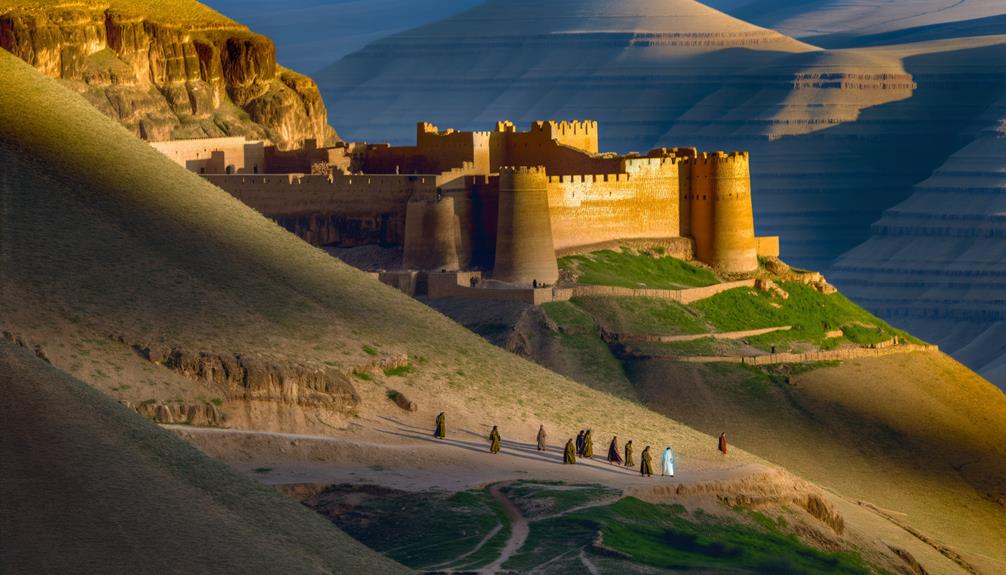
Throughout the Bible, citadels are mentioned as fortified structures that provide protection and symbolize strength, often appearing in narratives that highlight the security and refuge offered by these strongholds.
In 2 Samuel 5:7, David captures the stronghold of Zion, which becomes the City of David, exemplifying God’s provision of protection.
Similarly, Nehemiah 2:8 references the citadel by the temple, emphasizing its strategic importance for the city’s defense.
Proverbs 18:10 metaphorically describes the name of the Lord as a strong tower, indicating divine refuge.
These biblical references imbue citadels with both physical and spiritual connotations, illustrating their role in the ancient Near Eastern context as bastions of safety and divine orchestration.
Citadel as a Symbol of Strength

In the biblical context, citadels often represent a fortress of divine protection, as seen in Psalm 18:2, where God is described as a ‘fortress’ and a ‘deliverer.’
Historically, these strongholds provided refuge in troubled times, symbolizing a place of safety and divine assurance amidst adversity. This echoes the sentiments of Proverbs 18:10, which states, ‘The name of the Lord is a fortified tower; the righteous run to it and are safe.’
This imagery underscores the theological principle that God offers unwavering strength and security to His people.
Fortress of Divine Protection
The term ‘citadel‘ in biblical literature often serves as a potent metaphor for God’s unwavering protection and strength, akin to a fortress that provides refuge and security for His people.
Scriptural references such as Psalm 18:2, ‘The LORD is my rock, my fortress and my deliverer,’ underscore the divine role as a protector.
In the historical context of ancient Israel, citadels were strategically constructed to withstand sieges and adversaries, symbolizing God’s omnipotent safeguard against spiritual and physical threats.
This imagery reinforces the theological concept of God as a bastion of safety and resilience, inspiring trust and reliance among believers.
The citadel consequently becomes a vivid representation of divine fortitude and sanctuary in the biblical narrative.
Refuge in Troubled Times
How does the metaphor of a citadel serve to reassure believers of God’s unwavering support during times of adversity?
In biblical texts, a citadel embodies an impregnable sanctuary, reflecting divine strength and protection. Psalm 18:2 proclaims, “The LORD is my rock, my fortress, and my deliverer,” illustrating God’s role as a steadfast refuge.
Historically, citadels were fortified centers providing safety amidst chaos, mirroring the spiritual solace found in God’s presence. For early Christians facing persecution, these metaphors reinforced faith and resilience.
The citadel, therefore, symbolizes God’s unassailable support, offering a powerful image of shelter and stability. This theological concept assures believers of divine refuge, encouraging trust in God’s enduring protection during life’s tumultuous periods.
Historical Context of Citadels

In the ancient Near East, citadels were integral to city fortifications, serving as defensive military structures that safeguarded inhabitants from invaders.
Scriptural references, such as Nehemiah 2:8 and 1 Chronicles 11:5, highlight the strategic importance of these strongholds.
Understanding the historical context of citadels illuminates their symbolic representation of divine protection and strength within biblical narratives.
Ancient City Fortifications
Many ancient civilizations, including those referenced in biblical texts, constructed citadels as integral parts of their city fortifications, serving both as defensive strongholds and as symbols of power and protection. These citadels often housed the ruling elite and military garrisons, offering a sanctuary during sieges. For instance, the citadel of Jerusalem, mentioned in 2 Samuel 5:7, stood as a reflection of King David’s conquest and divine favor. Citadels also functioned as administrative centers, where decrees were issued and justice administered. Their imposing structures, often strategically placed on elevated terrain, underscored the divine mandate of kingship and the protection afforded by God.
| City | Biblical Reference | Function |
|---|---|---|
| Jerusalem | 2 Samuel 5:7 | Royal Residence |
| Samaria | 1 Kings 16:24 | Administrative Center |
| Hazor | Joshua 11:10 | Military Stronghold |
| Babylon | Daniel 4:30 | Symbol of Power |
Defensive Military Structures
The significance of citadels in biblical narratives extends beyond their symbolic and administrative roles, emphasizing their strategic importance as defensive military structures designed to withstand sieges and protect inhabitants.
In the Old Scripture, cities like Jerusalem and Samaria housed citadels that served as formidable bastions against invaders (2 Samuel 5:7; 1 Kings 16:24).
These fortifications included thick walls, watchtowers, and gated entries, illustrating advanced military engineering.
Historical texts, such as the accounts of Nebuchadnezzar’s siege of Jerusalem (2 Kings 25:1-4), highlight the citadel’s role in defense and resilience.
These structures not only safeguarded the populace but also symbolized divine protection, underscoring their importance in the socio-political and theological fabric of ancient Israelite society.
Symbolic Biblical References
Citadels in biblical narratives often serve as powerful metaphors for divine refuge and strength, symbolizing God’s protection and the fortitude of faith amidst adversity.
The Psalms frequently invoke imagery of God as a fortress (Psalm 18:2, 91:2), encapsulating the idea that divine protection is impenetrable.
Historical citadels, such as those in Jerusalem, provide the backdrop for these metaphors, embodying physical and spiritual bastions against external threats.
The Book of Nehemiah illustrates this duality, as the rebuilding of Jerusalem’s walls under divine guidance mirrors the restoration of faith and community (Nehemiah 2:17-20).
Consequently, citadels in scripture do not merely represent military might but underscore the spiritual resilience and unwavering trust in God’s providence.
Citadels in the Old Testament
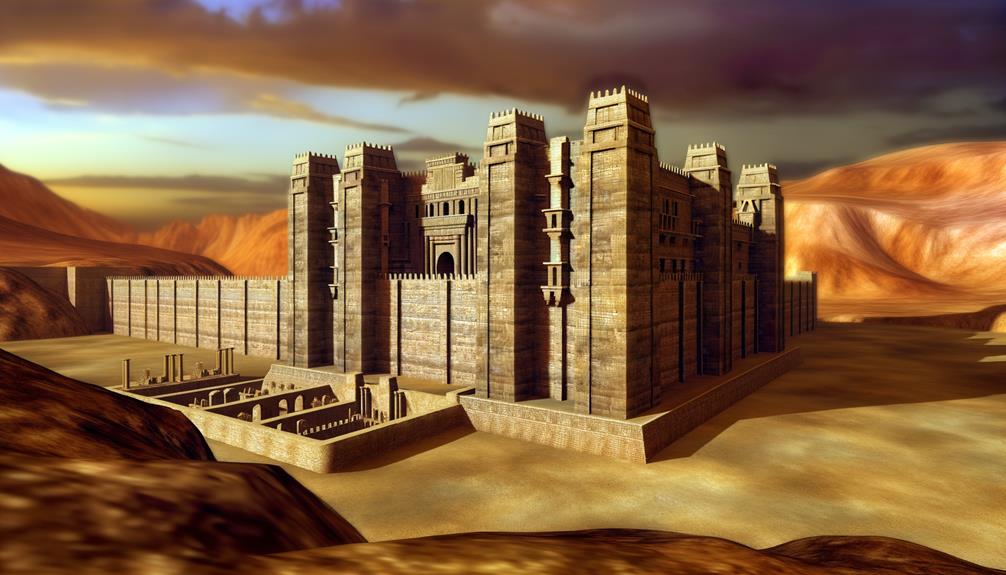
In the Old Scripture, citadels often served as fortified centers of power and refuge, symbolizing both divine protection and human authority. These structures are frequently mentioned in the Old Canon, illustrating their essential role in ancient societies.
Jerusalem’s Citadels: Psalms 48:12-13 speaks of walking around Zion and counting her towers, underscoring the city’s fortified strength.
Samaria’s High Places: 1 Kings 16:24 mentions the construction of Samaria, including its citadels, as a symbol of Omri’s reign and authority.
Strongholds of Judah: 2 Chronicles 11:5-12 details King Rehoboam’s fortification of several cities, emphasizing their strategic and defensive importance.
These references highlight the citadel’s dual role in providing physical security and manifesting a tangible symbol of divine and regal power.
Citadels in the New Testament

While the New Covenant does not frequently mention citadels, it alludes to them metaphorically, illustrating spiritual strongholds and the fortifications of faith.
In 2 Corinthians 10:4, Paul speaks of the “weapons of our warfare” being “mighty through God to the pulling down of strongholds,” referencing the mental and spiritual fortresses that believers are to overcome.
The imagery of a citadel symbolizes the robust defense mechanisms against spiritual adversaries, highlighting the necessity of divine power for triumph.
Historically, citadels represented dominance and security; spiritually, they underscore the steadfastness of faith.
Ephesians 6:11-18 further emphasizes this by describing the “armor of God,” enjoining believers to equip themselves against spiritual battles, akin to a citadel fortified against assault.
Spiritual Significance of Citadels

The spiritual significance of citadels is epitomized in their representation of divine fortification and unwavering faith, as illustrated through Paul’s metaphorical language in his epistles. Paul refers to the ‘armor of God’ in Ephesians 6:11-17, emphasizing the strength and protection available to believers through faith.
Citadels symbolize the spiritual bastion that believers seek in God, a place of refuge and strength against adversarial forces.
Historical Usage: Citadels in ancient times served as fortified centers of protection and governance.
Scriptural Symbolism: Citadels are often used to represent God’s unassailable strength and protection (Psalm 18:2).
Faith and Fortification: Paul’s epistles encourage believers to embody the qualities of a citadel, standing firm in faith and righteousness.
Citadels and Divine Protection

Many scriptural passages underscore the role of citadels as emblems of divine protection, with Psalm 46:1 portraying God as ‘our refuge and strength, a very present help in trouble.’ The imagery of a citadel, a fortified place, is frequently invoked to symbolize God’s steadfast protection over His people. Historical contexts, such as the fortresses of ancient Jerusalem, reflect this theological concept.
| Scriptural Reference | Symbolism of Citadel |
|---|---|
| Psalm 18:2 | God as a fortress |
| Proverbs 18:10 | The Lord as a strong tower |
| 2 Samuel 22:3 | God as a shield and refuge |
Thus, the citadel serves not merely as a physical stronghold but as a profound metaphor for divine guardianship.
Fortification Against Adversaries

Scriptural accounts frequently highlight the significance of citadels as fortified structures designed to protect against adversarial forces, with Nehemiah 4:17-18 illustrating the dual role of construction and defense in the rebuilding of Jerusalem’s walls.
Citadels served not only as physical barriers but also as symbols of divine protection and communal resilience.
Theologically, these fortifications are intertwined with Israel’s covenantal relationship with God, providing:
- A tangible manifestation of God’s promise to safeguard His people.
- A strategic military advantage in times of conflict, ensuring the security of crucial resources.
Thus, the biblical portrayal of citadels underscores their multifaceted role in sustaining both physical and spiritual fortitude.
Citadels in Ancient Warfare

Citadels, prominent in ancient warfare, served as formidable defensive structures designed to protect inhabitants and withstand sieges.
Scripturally, they are often depicted as strategic military locations, as seen in 2 Samuel 5:7 where David captures the stronghold of Zion, a pivotal citadel.
These edifices were strategically placed to dominate surrounding terrain, providing both a tactical advantage and a symbol of security.
Defensive Structures Purpose
In the context of ancient warfare, the citadel served as a formidable defensive structure, often referenced in biblical texts to symbolize protection and divine refuge. These strongholds were essential in safeguarding inhabitants from invasions and providing a secure retreat during sieges.
Theologically, citadels are depicted as metaphors for God’s unyielding protection, as illustrated in Psalms 46:1, “God is our refuge and strength, an ever-present help in trouble.”
- Biblical Symbolism: Citadels represent God’s unwavering protection (Proverbs 18:10).
- Historical Context: Citadels like the City of David in Jerusalem exemplify ancient defensive architecture.
This combination of historical and scriptural insights underscores their significant role.
Strategic Military Locations
Strategically positioned citadels were essential in ancient warfare, serving as fortified hubs that commanded both military and symbolic significance.
In the Biblical context, cities like Jerusalem and Samaria housed citadels that were vital for defense and control (2 Samuel 5:7). These strongholds were often situated on elevated terrains, providing a vantage point for surveillance and protection against invaders (Psalm 48:12-13).
Historically, citadels functioned as the final bastion in times of siege, embodying the strength and resilience of a nation. Their construction reflected the strategic acumen of ancient leaders who understood the necessity of robust defenses.
Therefore, citadels in Scripture symbolize not just physical fortitude but also divine protection and sovereign might (Proverbs 18:10).
Metaphorical Citadels in Scripture

Throughout Scripture, metaphorical citadels often symbolize spiritual fortresses that provide protection and refuge for the faithful. These citadels are depicted in various forms across biblical text, offering insights into divine providence and spiritual resilience.
For example, Psalm 18:2 refers to God as a ‘fortress’ and ‘deliverer,’ illustrating the Lord’s role as a spiritual stronghold. Additionally, Proverbs 18:10 states, ‘The name of the Lord is a fortified tower; the righteous run to it and are safe.’ These passages underscore the significance of divine protection.
- Psalm 61:3: ‘For you have been my refuge, a strong tower against the foe.’
- Nahum 1:7: ‘The Lord is good, a stronghold in the day of trouble.’
Lessons From Biblical Citadels

Drawing from the historical and theological significance of citadels in Scripture, believers are encouraged to understand their spiritual fortresses as sources of divine strength and protection in times of adversity.
Citadels, such as those in Nehemiah’s rebuilding of Jerusalem (Nehemiah 4:13-23), symbolized God’s unwavering support and the community’s resilience against external threats.
The psalmist’s declaration, ‘The Lord is my rock, my fortress’ (Psalm 18:2), underscores this divine refuge.
Historically, these strongholds provided not just physical security but also a profound sense of divine presence and sanctuary.
Conclusion
To sum up, citadels in the Bible serve as fortresses of divine strength, symbolizing God’s protection and fortification against adversaries.
These strongholds, whether literal or metaphorical, illustrate the impenetrable nature of faith and divine providence.
Just as a citadel stands resilient against the forces of ancient warfare, so too does unwavering faith withstand the trials of life.
The biblical narratives surrounding citadels offer profound lessons on the steadfastness required in the spiritual journey.