Pomp Meaning In The Bible: Vanity and Pride
In biblical texts, ‘pomp’ signifies grandeur and splendor, often linked to human arrogance and vanity, contrasting with humility before God. The Hebrew ‘ga’own’ and Greek ‘alazoneia’ underscore the fleeting nature of earthly power and superficial glory.
Instances like Solomon’s Temple, Nebuchadnezzar’s Babylon, and Herod Agrippa I highlight how such displays lead to downfall and divine judgment. Symbolically, biblical authors use pomp to juxtapose human pride with God’s sovereignty, as seen in accounts like Isaiah’s depiction of Lucifer’s fall and Revelation’s portrayal of Babylon’s demise.
Exploring these themes illuminates the transient nature of human authority versus divine omnipotence.

Key Takeaways
- Pomp in the Bible represents grandeur linked to human arrogance and vanity.
- Hebrew ‘ga’own’ and Greek ‘alazoneia’ denote pride, majesty, and boastfulness.
- Biblical narratives use pomp to illustrate the fleeting nature of earthly power.
- Scriptural examples, like Nebuchadnezzar and Herod Agrippa, show consequences of pride.
Biblical Definitions of Pomp

In biblical literature, the term ‘pomp’ often denotes a display of grandeur or splendor that is frequently imbued with connotations of human arrogance and temporal power.
The Hebrew and Greek texts of the Bible use various words to convey this notion, such as the Hebrew term ‘ga’own,’ reflecting pride and majesty, and the Greek ‘alazoneia,’ indicating boastfulness.
Theologically, pomp is seen as a manifestation of human vanity, contrasting with the humility that Scripture espouses.
Historically, it illustrates the fleeting nature of earthly power, as evidenced in ancient empires that succumbed despite their splendor.
Scriptural analysis reveals that pomp is often criticized, serving as a caution against the pursuit of superficial glory over spiritual integrity and righteousness.
Instances of Pomp in Scripture

Numerous passages in the Bible depict instances of pomp that underscore the transient nature of human glory and the spiritual peril associated with prideful displays. For instance, the grandiosity of King Solomon’s temple (1 Kings 6-7) illustrates immense earthly splendor, yet later scriptures reveal its destruction, emphasizing the fleeting nature of material grandeur. Similarly, King Nebuchadnezzar’s boastful pride in Babylon’s magnificence (Daniel 4:30) leads to his humbling downfall by God’s decree. Herod Agrippa I’s acceptance of divine adulation (Acts 12:21-23) results in his immediate demise, illustrating divine judgment against human hubris.
| Scripture | Instance of Pomp |
|---|---|
| 1 Kings 6-7 | Solomon’s Temple |
| Daniel 4:30 | Nebuchadnezzar’s Boast |
| Acts 12:21-23 | Herod Agrippa I’s Divine Adulation |
| Isaiah 14:12-15 | Lucifer’s Fall |
| Revelation 18 | Fall of Babylon the Great |
Symbolism of Pomp

The symbolism of pomp in biblical texts often serves to highlight the contrast between human pretensions of grandeur and the ultimate sovereignty and judgment of God.
In the Old Scripture, elaborate displays of wealth and power, such as those by the Babylonian and Egyptian empires, underscore the transient nature of earthly glory when juxtaposed with divine omnipotence. Isaiah 14:11 poignantly illustrates this, portraying the downfall of the proud Babylonian king.
In the New Scripture, the pomp of the Roman authorities, as seen during Jesus’ crucifixion, underscores the futility of human power against God’s redemptive plan.
These scriptural instances offer profound theological insight, emphasizing that true glory and enduring majesty belong solely to God, serving as a humbling reminder of divine supremacy.
Human Pride and Pomp

While the symbolism of pomp underscores divine supremacy, human pride often manifests in ostentatious displays that reveal humanity’s inherent vulnerability and susceptibility to moral and spiritual downfall.
The Bible provides numerous examples where human grandeur leads to divine retribution. In Isaiah 14:12-15, the fall of Lucifer is illustrated as a consequence of his pride and desire to exalt his throne above God’s stars.
Similarly, in Daniel 4:30-37, King Nebuchadnezzar’s boastful arrogance results in his temporary downfall and insanity until he acknowledges God’s sovereign authority.
These narratives serve as cautionary tales, emphasizing that human pomp, devoid of humility and reverence for the divine, is a precursor to judgment and a reminder of the transient nature of earthly power.
Divine Authority and Pomp
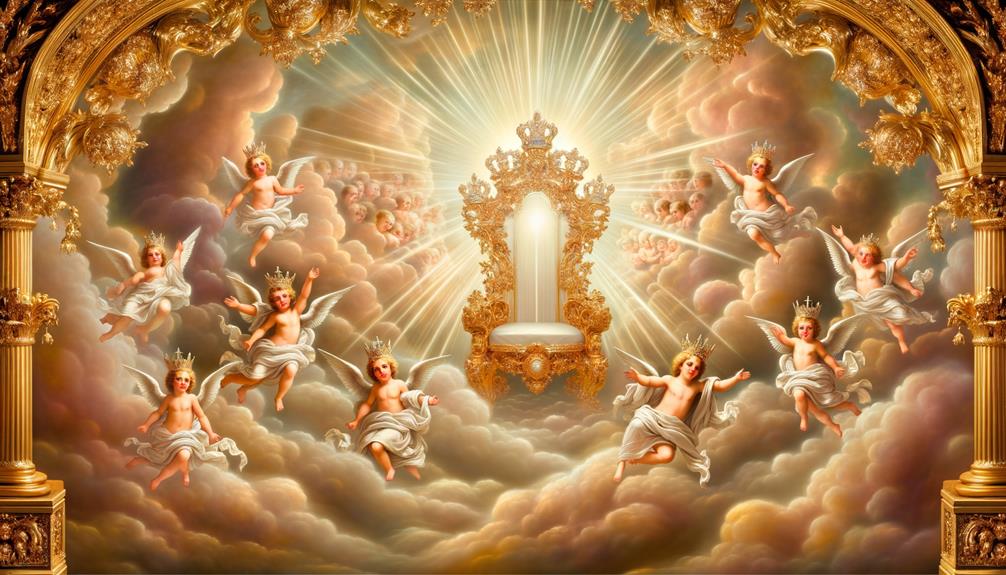
In the Bible, divine authority is often depicted through displays of pomp that signify God’s unmatched majesty and sovereign power over all creation. Examples include the grandeur of the Tabernacle, the Ark of the Covenant, and Solomon’s Temple, which were designed with intricate details and precious materials to reflect God’s holiness (Exodus 25-31, 1 Kings 6-7).
Theophanies, such as God’s manifestation on Mount Sinai with thunder, lightning, and a thick cloud (Exodus 19:16-19), further underscore this divine authority.
These instances of pomp are not mere ostentation but serve to communicate the transcendence and immanence of God. They remind believers of the reverence due to the Almighty, reinforcing His supreme authority and the sanctity of worship.
Conclusion
The biblical concept of pomp intricately weaves through the fabric of Scripture, symbolizing both human pride and divine authority.
Instances of pomp serve as cautionary tales, echoing the fate of Nebuchadnezzar’s downfall and the fleeting glory of Babylon.
In contrast, divine pomp reflects the majesty of the heavenly throne, reminiscent of Isaiah’s vision in the temple.
Consequently, the study of pomp reveals a dichotomy between earthly vanity and the immutable splendor of the divine.