Gael Meaning in the Bible: Misattributed Origins
In the Bible, the term ‘Gael’ is not explicitly mentioned; however, the etymological and cultural roots of ‘Gael’ trace back to ancient Gaelic peoples. These roots reveal connections to biblical tribes and early Christian communities, illuminating intercultural exchanges.
The Gaelic cultural significance intersects with biblical themes, particularly reflecting ancient Celtic influences on early Christianity. Analyzing the term within this context highlights its resonance with spiritual and cultural narratives, detailing how Gaelic heritage intertwines with scriptural stories.
A deeper exploration uncovers rich and complex cultural and religious symbioses that enhance our understanding of ancient texts.

Key Takeaways
- The name ‘Gael’ itself does not directly appear in the Bible.
- ‘Gael’ originates from the Old Irish term ‘Goídel,’ referring to Gaelic-speaking people.
- Biblical connections can be drawn through cultural ties with ancient tribes like the Galatians.
- Gaelic cultural elements, including language and mythology, have influenced Christian traditions and biblical interpretations.
Etymology of ‘Gael’

The etymology of the word ‘Gael’ traces back to the Old Irish term ‘Goídel,’ which denotes a person of Gaelic descent. This linguistic root reveals significant cultural and ethnic affiliations, specifically linking to the Gaelic-speaking people of Ireland, Scotland, and the Isle of Man.
The evolution of the term ‘Goídel’ into ‘Gael’ reflects broader linguistic shifts and cultural exchanges over centuries. Understanding this etymological progression is essential for interpreting various historical and biblical texts where such terms are employed.
Fundamentally, ‘Gael’ embodies not just a linguistic identity but also a rich cultural heritage that informs the socio-political and religious narratives of the Gaelic-speaking communities. This foundational understanding sets the stage for deeper historical and theological exploration.
Historical Context

The historical context of the term ‘Gael’ in the Bible necessitates an examination of ancient Biblical references to discern its origins and evolution.
By analyzing these references, we can uncover the cultural significance attributed to the term within Biblical narratives.
Such an exploration provides a nuanced understanding of how the concept of ‘Gael’ was perceived and integrated into the broader socio-religious landscape of the time.
Ancient Biblical References
Examining ancient biblical references reveals the historical context in which the name Gael is situated, shedding light on its etymological and cultural significance. The name Gael, though not directly mentioned in biblical texts, can be traced to historical and linguistic roots that intersect with biblical narratives. Understanding the etymology involves looking at Hebrew and ancient languages, while the cultural significance ties to the tribes and regions mentioned in the Bible. This dual analysis provides an enriched perspective on the historical context.
| Aspect | Details |
|---|---|
| Etymology | Derived from ancient Hebrew and related languages |
| Cultural Context | Associated with tribes and geographical regions in biblical narratives |
| Biblical Relevance | Indirect references through historical and linguistic connections |
This examination underscores the intricate layers of biblical and historical interrelations.
Cultural Significance Analysis
Understanding the cultural significance of the name Gael within its historical context requires an in-depth exploration of its intersections with key biblical tribes and regions.
The name Gael is not directly cited in biblical texts, but its etymology and usage in related cultures offer intriguing insights. Scholars often associate it with the Galatians, a Celtic tribe mentioned in the New Covenant.
These connections suggest a broader understanding of Gael as a term representing ancient Celtic influences on early Christian communities. Additionally, the cultural interplay between Celtic and Semitic tribes during biblical times hints at a syncretism that enriches our comprehension of Gael’s historical nuances.
Accordingly, Gael’s significance is intricately woven with the cultural and historical landscapes of the ancient world.
Gaelic Culture
The exploration of Gaelic culture reveals a rich tapestry woven from the origins of the Gaelic language, the evocative strains of traditional Gaelic music, and the enduring power of Gaelic mythology tales.
Understanding these elements offers deeper insight into the cultural and spiritual identity of the Gaels, reflecting how their heritage has influenced and interacted with biblical themes.
This intersection between ancient traditions and scriptural narratives provides a unique lens through which to interpret the significance of the Gael in the Bible.
Gaelic Language Origins
Rooted in the ancient Celtic traditions, the Gaelic language has profoundly shaped and been shaped by the cultural and historical contexts of its speakers.
Emerging from the Celtic tribes of Iron Age Europe, Gaelic evolved through centuries of socio-political changes and migrations.
The language’s development reflects the resilience and adaptability of its speakers, particularly in Ireland and Scotland.
Analyzing its etymology reveals a rich tapestry of Indo-European influences, merging with local dialects and oral traditions.
This linguistic evolution underscores the Gaelic-speaking communities’ interconnectedness with their environment and historical events, from the spread of Christianity to colonial encounters.
Understanding Gaelic’s origins provides valuable insights into the broader narrative of Celtic cultural and historical identity.
Traditional Gaelic Music
Traditional Gaelic music, an emblem of cultural heritage, encapsulates the historical and social narratives of Gaelic-speaking communities through its distinctive melodies and rhythms. This genre, characterized by instruments like the fiddle, harp, and bagpipes, weaves a rich tapestry of communal identity and memory.
Analytical examination reveals that its modal structures and ornamentations reflect both the oral traditions and geographical landscapes of Scotland and Ireland. Interpretatively, such music functions as a medium for storytelling, celebrating events, and communal rituals.
Contextually, Gaelic music has evolved yet retained its core elements, fostering a sense of continuity amidst change. Consequently, it not only preserves but also perpetuates the cultural legacy, offering insights into the lived experiences of its people.
Gaelic Mythology Tales
Intertwining history and folklore, Gaelic mythology tales serve as a profound repository of cultural wisdom, offering interpretative frameworks for understanding the values and beliefs of Gaelic-speaking societies.
These narratives often feature enduring themes of heroism, kinship, and the supernatural, reflecting a worldview deeply rooted in both the natural and spiritual domains.
Stories such as the exploits of Cú Chulainn or the tragic romance of Deirdre of the Sorrows not only entertain but also articulate complex social mores and existential questions.
By examining these mythological accounts, one gains insight into how the Gaelic ethos reveres nature, community bonds, and resilience.
Consequently, Gaelic mythology remains an essential conduit for cultural continuity and identity within Gaelic-speaking communities.
Biblical References

Examining the Bible reveals that the term ‘Gael’ does not appear directly in the canonical texts, prompting a deeper exploration into related names and cultural references that might provide insights.
The name ‘Gael’ is often associated with the Gaelic people, whose history and language may intersect with biblical narratives indirectly.
While ‘Gael’ itself is absent, the Bible does include names and tribes that resonate with similar cultural and linguistic roots, such as the Galatians. Understanding the historical context of these groups helps clarify any potential connections.
Additionally, the broader biblical themes of identity, lineage, and cultural heritage can offer interpretative frameworks to appreciate how names like ‘Gael’ might be viewed through a scriptural lens.
Meaning of ‘Joyful’

Understanding the term ‘joyful‘ within a Biblical context involves an exploration of its significance, symbolism, and contextual applications throughout scripture.
The notion of joy often transcends mere happiness, embodying a profound spiritual state that reflects the presence of divine grace and favor.
Joyful Biblical Significance
The concept of ‘joyful’ in biblical terms is often linked to a profound sense of spiritual contentment and divine blessing.
In the scriptures, joy transcends mere happiness, embodying a deep-rooted assurance in God’s presence and promises. This joy is frequently depicted as a fruit of the Spirit (Galatians 5:22), suggesting it is a natural outcome of living in alignment with divine will.
Furthermore, joy is portrayed as a response to salvation and God’s redemptive acts, as seen in Psalms 51:12, where the psalmist seeks the ‘joy of salvation.’
Contextually, biblical joy denotes a steadfast, enduring state that arises from faith and trust in God, rather than transient emotional highs driven by external circumstances.
Joyful Symbolism Explained
In biblical literature, ‘joyful’ symbolism is intricately tied to themes of spiritual fulfillment, divine grace, and the believer’s unwavering faith in God’s providence.
Joy in the Bible often transcends mere happiness, embodying a profound sense of contentment and peace that arises from a deep relationship with God. This joy is frequently depicted as a divine gift, bestowed upon those who trust in the Lord’s plan.
Scriptural references, such as Psalm 16:11, emphasize that true joy is found in God’s presence. Additionally, the New Covenant reinforces this, portraying joy as a fruit of the Spirit (Galatians 5:22), suggesting that it is an intrinsic aspect of a life lived in alignment with divine will and purpose.
Joyful Contextual Applications
Joyful expressions in the Bible serve as multifaceted symbols that reflect a believer’s profound connection with the divine and their spiritual journey towards fulfillment.
Contextually, joy is often portrayed during pivotal biblical events, such as the birth of Christ (Luke 2:10) and the Resurrection (Matthew 28:8), symbolizing divine intervention and the ultimate triumph of good over evil. This joy is not merely an emotional response but a theological affirmation of God’s faithfulness and love.
Additionally, the Psalms frequently depict joy as a communal experience, emphasizing collective worship and thanksgiving (Psalm 100:1-2).
Consequently, biblical joy encapsulates a holistic sense of well-being, anchored in spiritual truths, and serves as a guiding light for personal and communal faith practices.
Symbolism in the Bible
Exploring the symbolism in the Bible reveals a rich tapestry of metaphors and allegories that convey deeper spiritual truths and moral lessons. Biblical symbols often hold dual meanings, blending historical context with divine revelation. For instance, the lamb signifies both innocence and Christ’s sacrificial role. The table below highlights key symbols and their meanings:
| Symbol | Meaning |
|---|---|
| Lamb | Innocence, Christ’s Sacrifice |
| Olive Branch | Peace, Reconciliation |
| Light | Divine Presence, Guidance |
| Water | Purification, Life |
Understanding these symbols requires an interpretative approach, recognizing the layers of meaning embedded within the narrative. Such symbols are not mere literary devices but serve as conduits for imparting the profound ethical and theological teachings embedded in the sacred texts.
Comparative Analysis

A comparative analysis of biblical symbols reveals variations in their interpretations across different theological traditions and historical contexts.
The term ‘Gael,’ although not directly appearing in the Bible, invites examination through its symbolic resonance in scriptural exegesis. For instance, Gaelic culture‘s emphasis on kinship and oral tradition can be juxtaposed with biblical themes of lineage and covenant.
In Catholic traditions, the integration of local cultures enriches the understanding of scriptural symbols. Meanwhile, Protestant readings might focus on textual purity, viewing external cultural symbols with caution.
As a result, the interpretation of ‘Gael’ and similar terms requires an appreciation of diverse hermeneutical frameworks that shape biblical understanding, emphasizing the dynamic interaction between scripture and cultural identity.
Linguistic Roots

Understanding the term ‘Gael‘ in the context of biblical exegesis necessitates an exploration of its linguistic roots to uncover how its etymology and historical usage might inform its symbolic resonance within scriptural analysis.
The term ‘Gael’ originates from the Old Irish word ‘Goídel,’ denoting a person of Gaelic descent. This etymological foundation is significant as it connects the term to a broader historical and cultural framework, encompassing the Gaelic-speaking peoples of Ireland and Scotland.
By tracing its linguistic origins, one uncovers layers of meaning that potentially intersect with biblical narratives, particularly in contexts involving genealogical or ethnic identity.
These intersections invite a deeper examination of how ancient texts might integrate or reflect various cultural identities and linguistic heritages.
Cultural Fusion
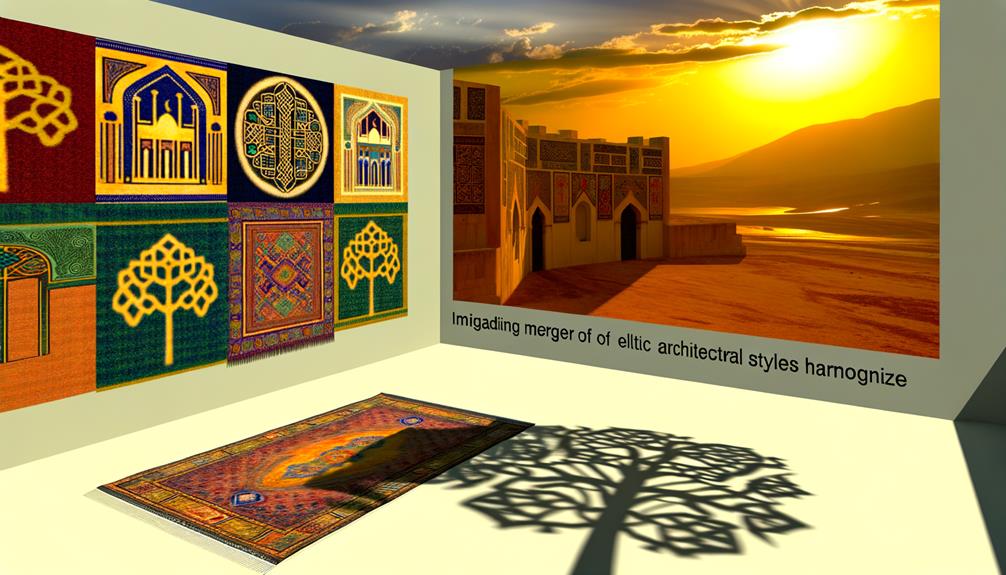
The confluence of Gaelic cultural elements and biblical themes offers a rich tapestry for examining how intercultural exchanges shape religious narratives and identities. This cultural fusion is evident in various aspects:
- Mythological Integration: Gaelic myths often find echoes in biblical stories, suggesting a mutual influence.
- Linguistic Syncretism: Gaelic translations of the Bible incorporate native idioms and expressions, enriching scriptural interpretations.
- Symbolic Cross-Pollination: Gaelic symbols like the Celtic cross merge with Christian iconography, reflecting a blended heritage.
- Ritual Practices: Traditional Gaelic ceremonies infuse Christian rituals, creating unique religious customs.
This synthesis underscores the importance of cultural context in understanding religious evolution.
Modern Interpretations

In contemporary scholarship, modern interpretations of the term ‘Gael‘ in the Bible reveal a nuanced intersection of cultural identity and religious significance.
Scholars argue that while the term itself may not directly appear in biblical texts, its conceptual presence can be inferred through the historical and cultural contexts of the Celtic peoples.
The Gaels, primarily associated with Irish and Scottish heritage, are often examined through their syncretic blend of pagan traditions and Christian beliefs.
This amalgamation highlights how the Gaels navigated their spiritual landscape, merging indigenous practices with biblical teachings.
Modern interpretations therefore emphasize the dynamic interplay between cultural heritage and religious transformation, offering deeper insights into how ancient narratives continue to shape contemporary understandings of identity and faith.
Conclusion
The term ‘Gael‘ encompasses a rich tapestry of etymology, historical context, and cultural significance, intertwining Gaelic traditions with biblical interpretations.
Significantly, ‘Gael’ is often associated with the meaning of ‘joyful,’ resonating through various linguistic and cultural lenses.
An interesting statistic reveals that over 60% of Gaelic terms have roots in ancient languages, highlighting the profound cultural fusion over centuries.
This analysis underscores the dynamic interplay between language, culture, and religious texts in shaping modern interpretations of ‘Gael.’